Welcome to Heptagon Books. Stories with many sides.
Our current titles
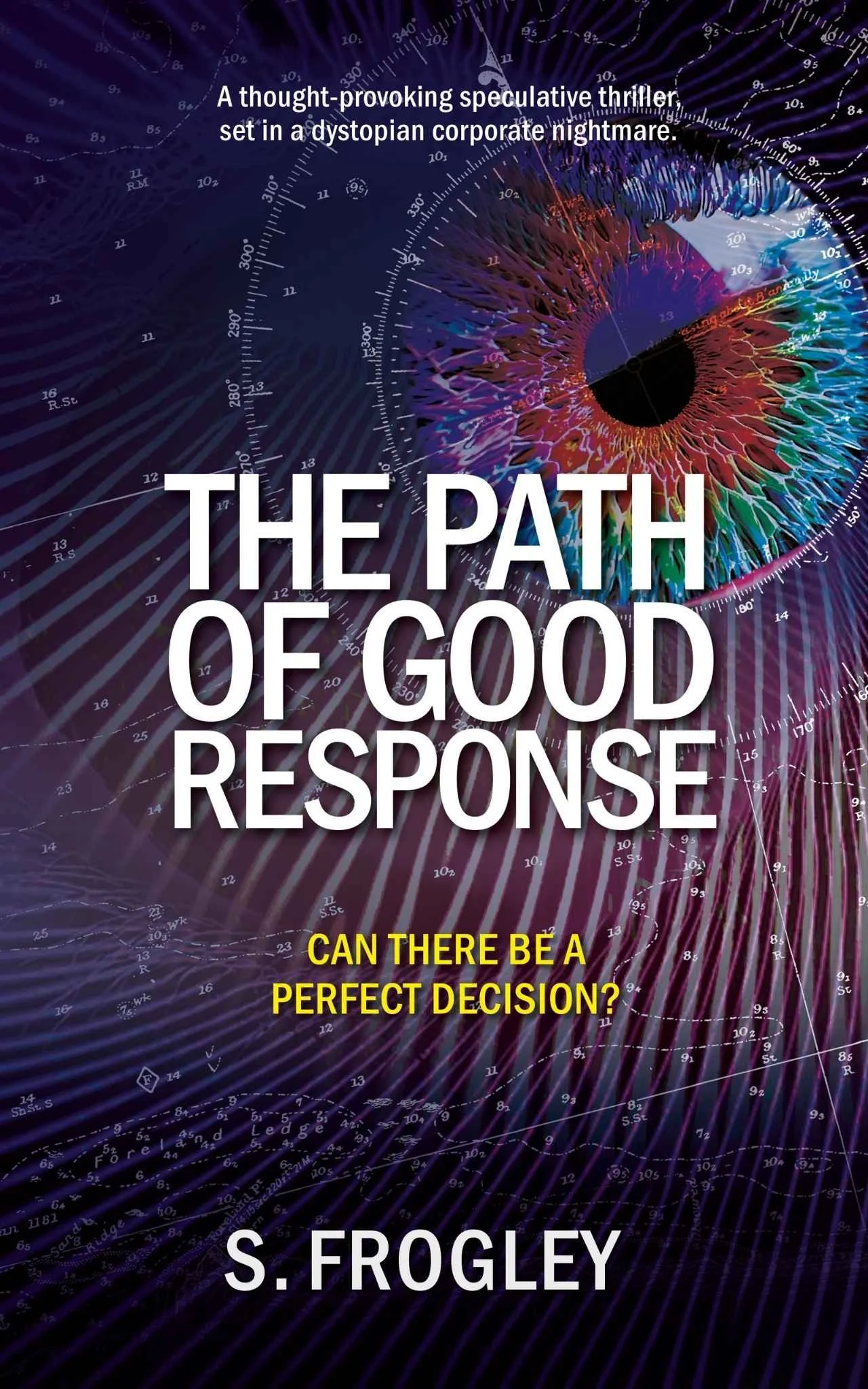
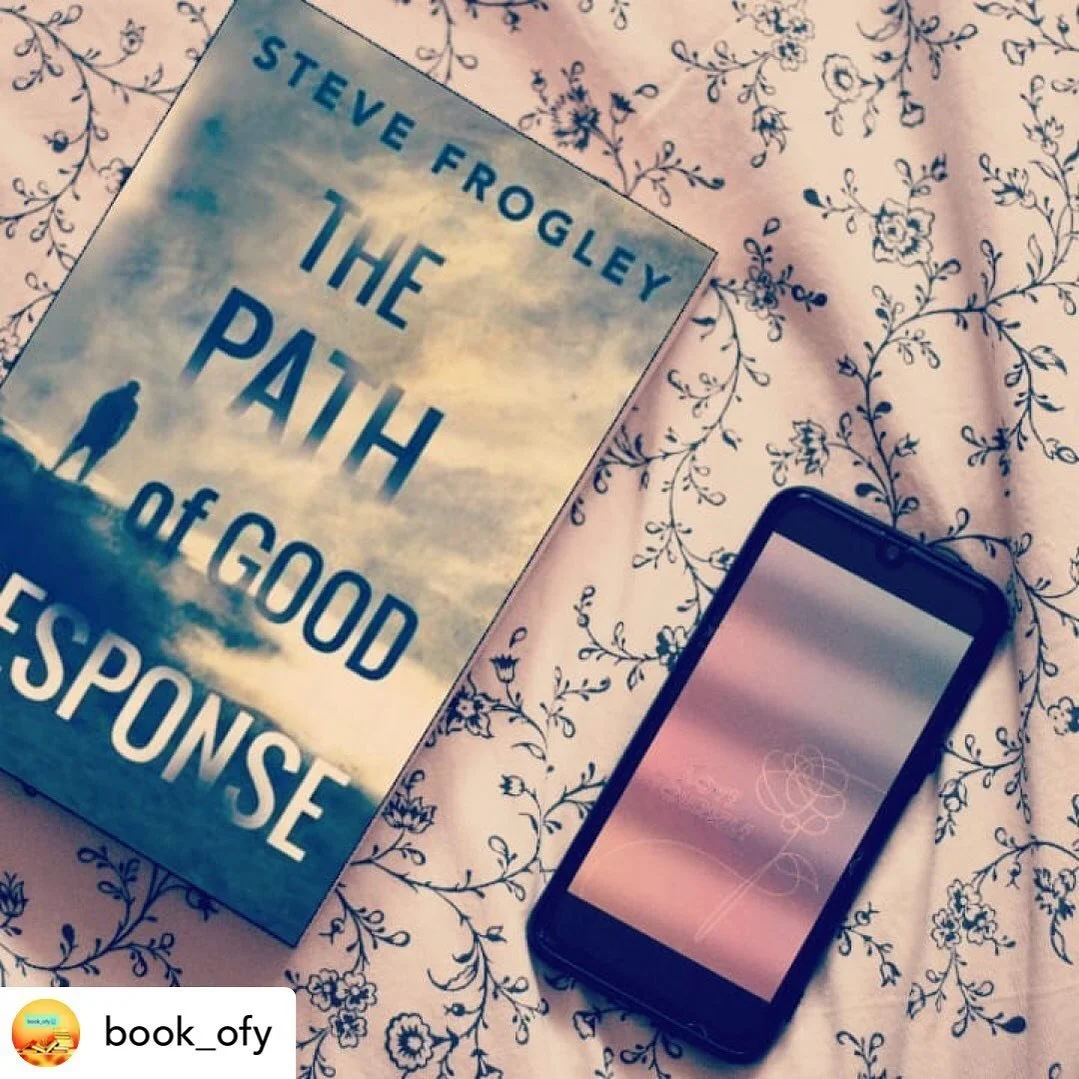
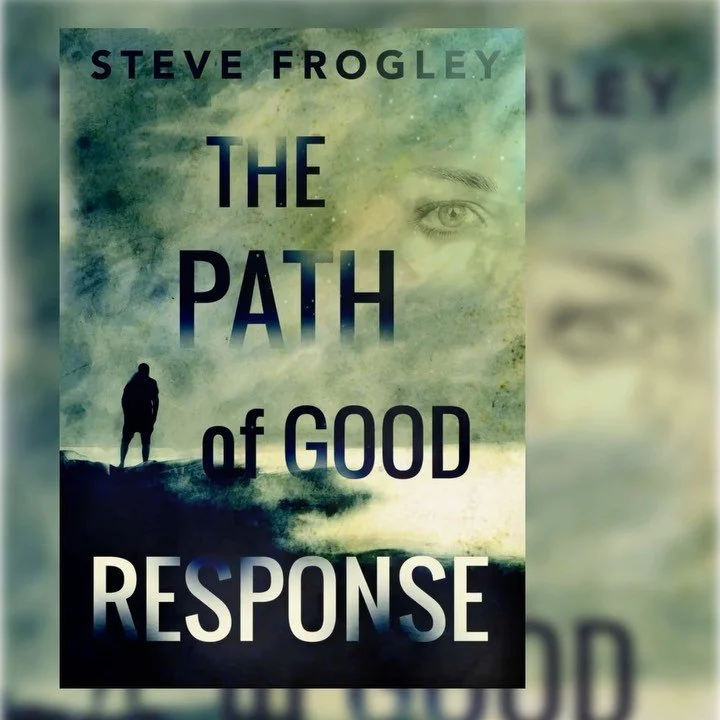
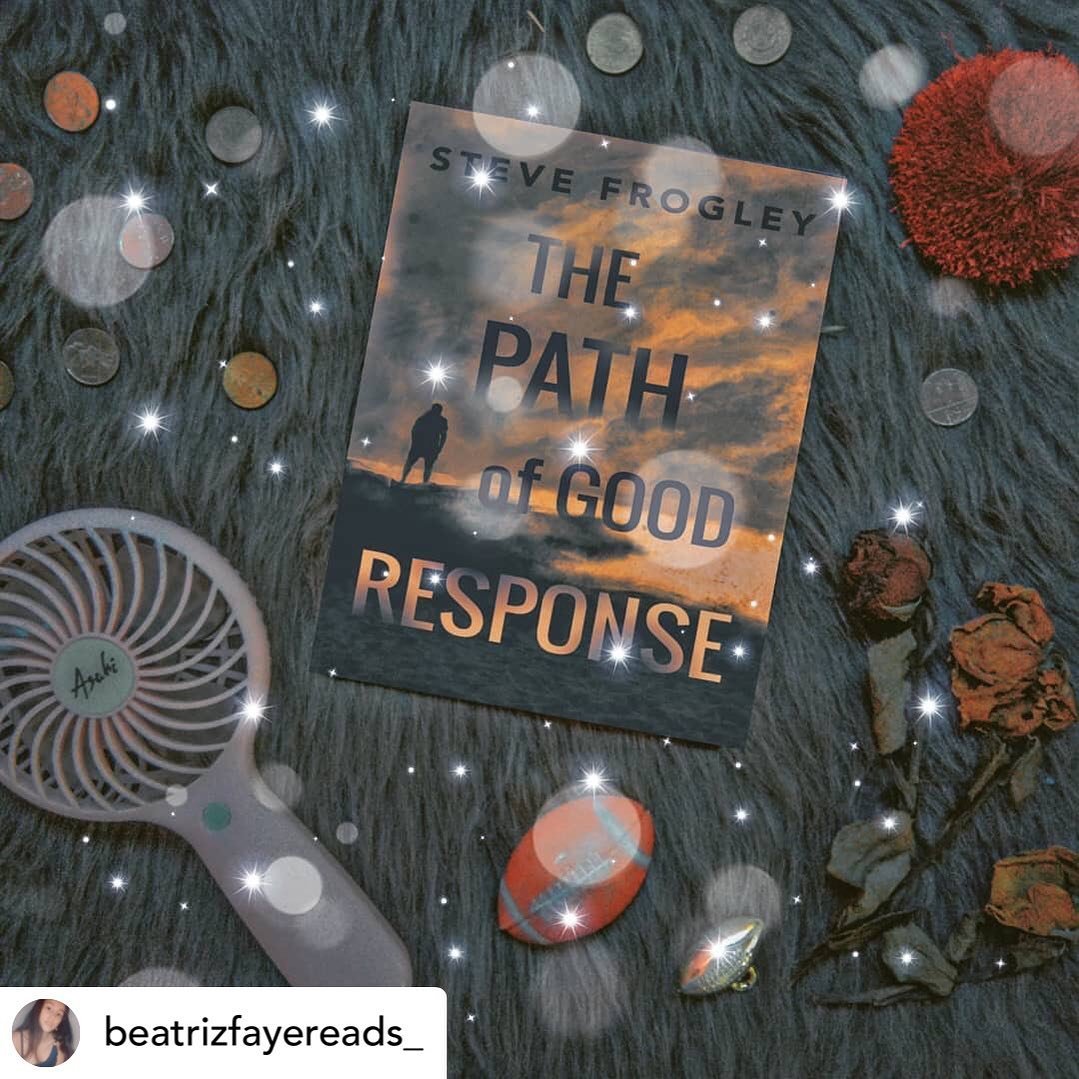
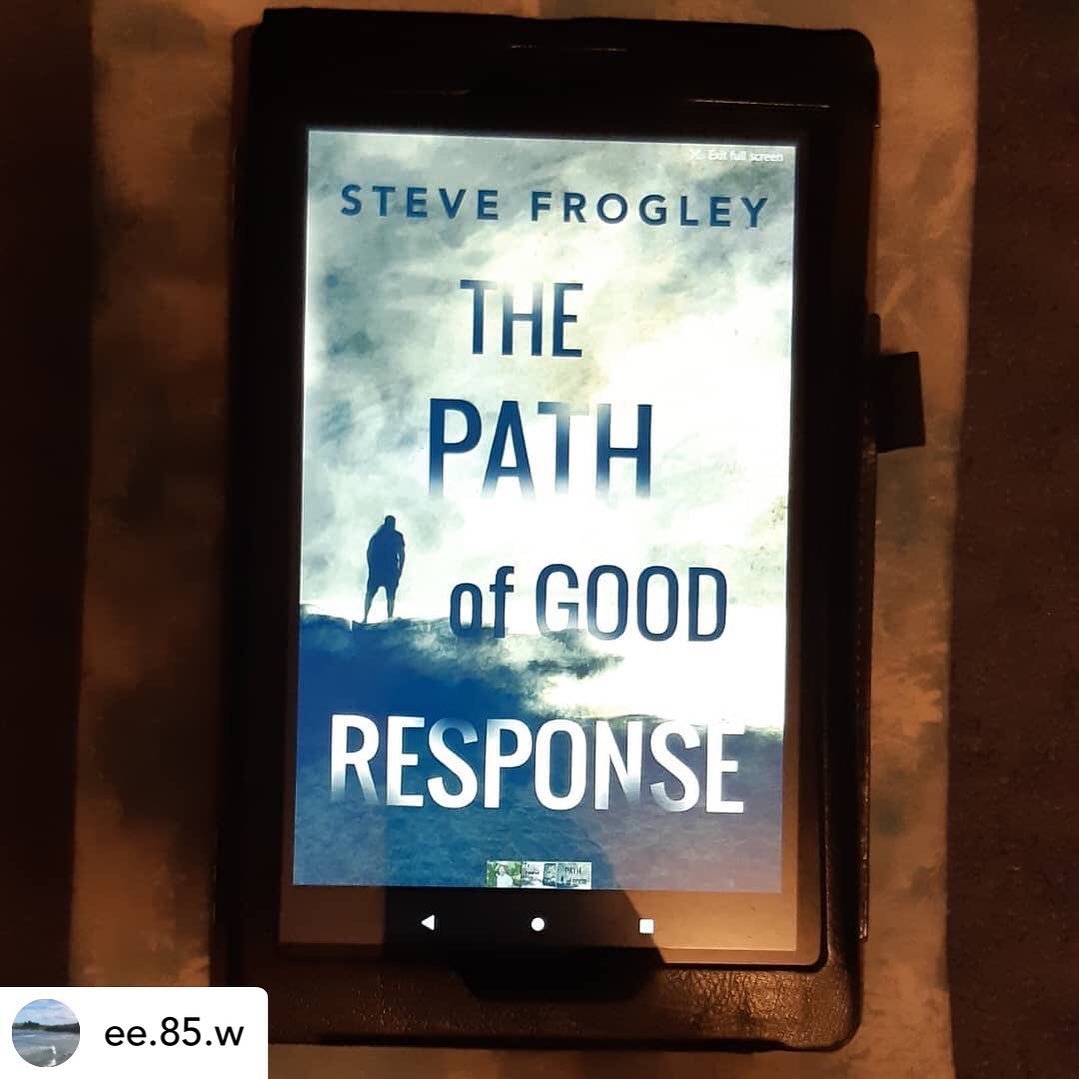
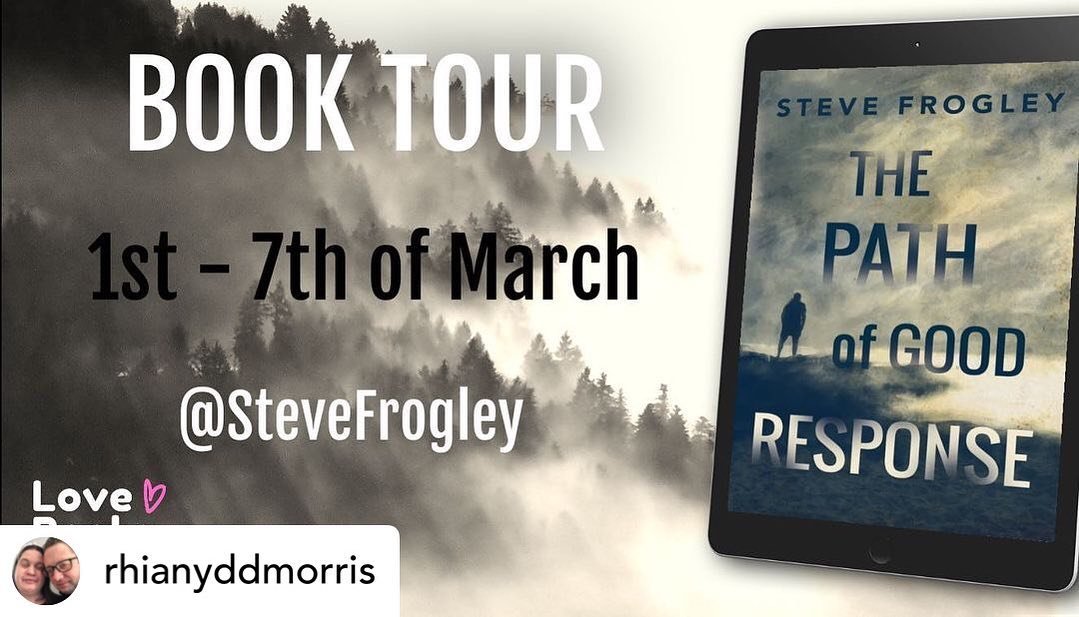
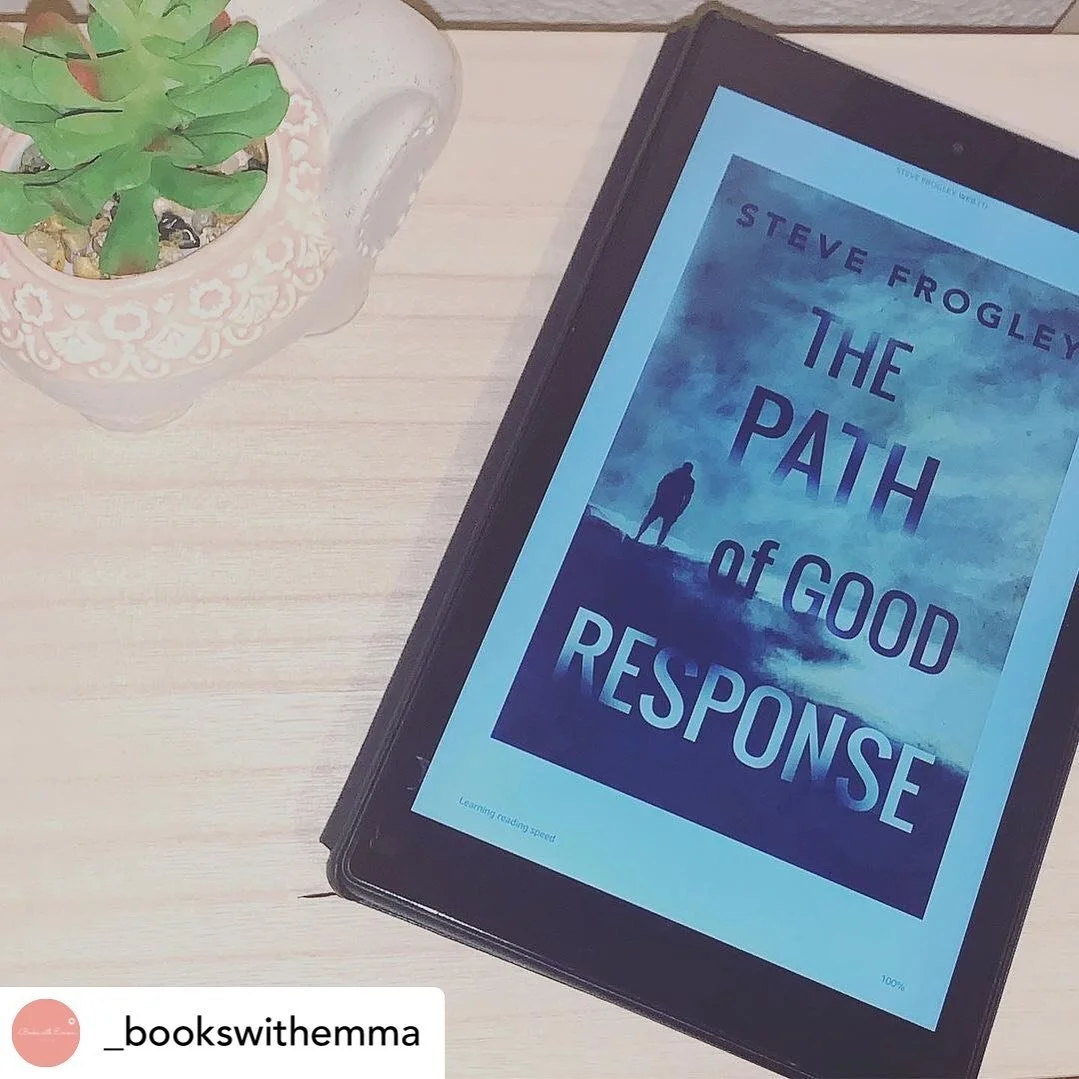
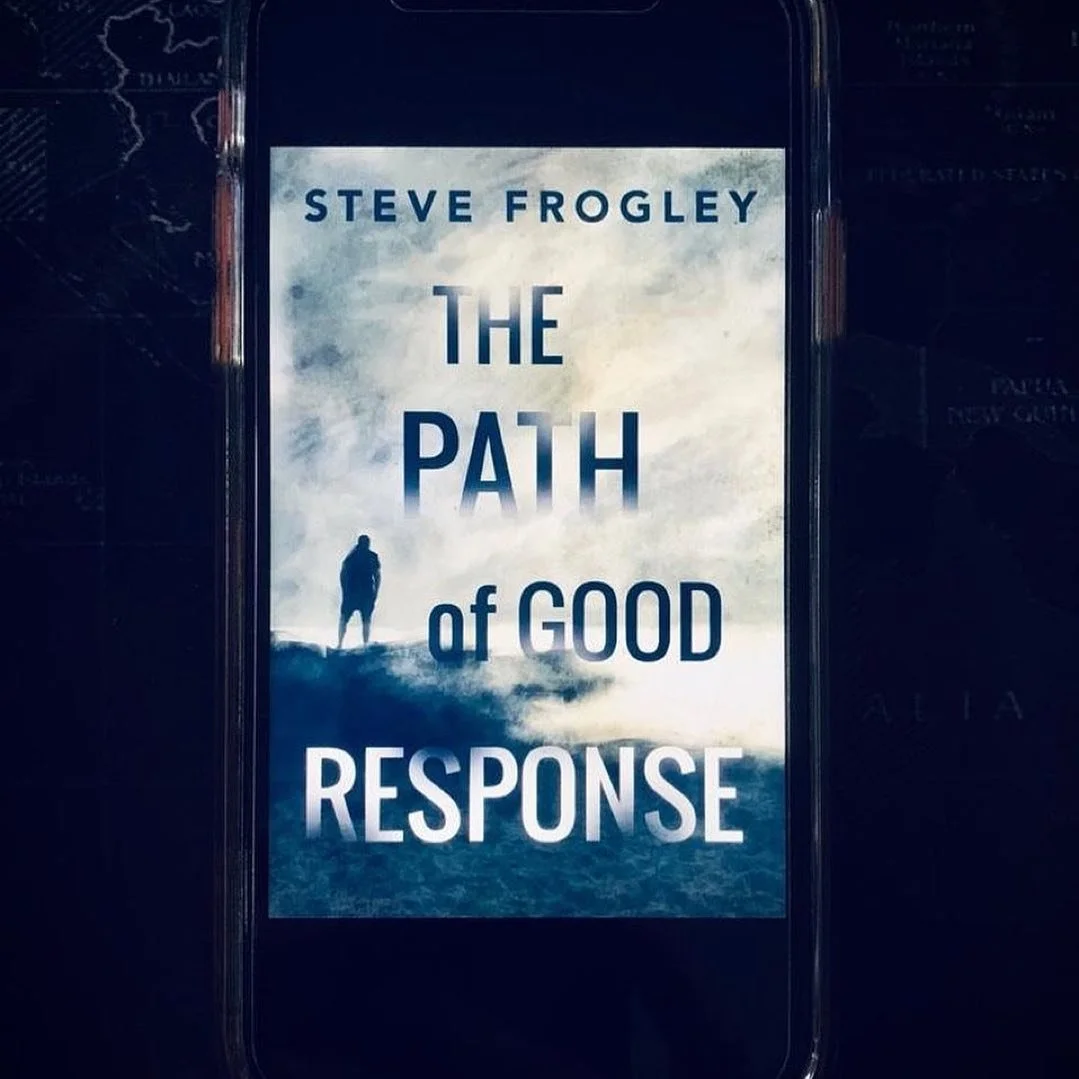
The Path of Good Response
A thought-provoking speculative thriller, set in a dystopian corporate nightmare. (The Schelldhardt Series Book 1.)
Available now.
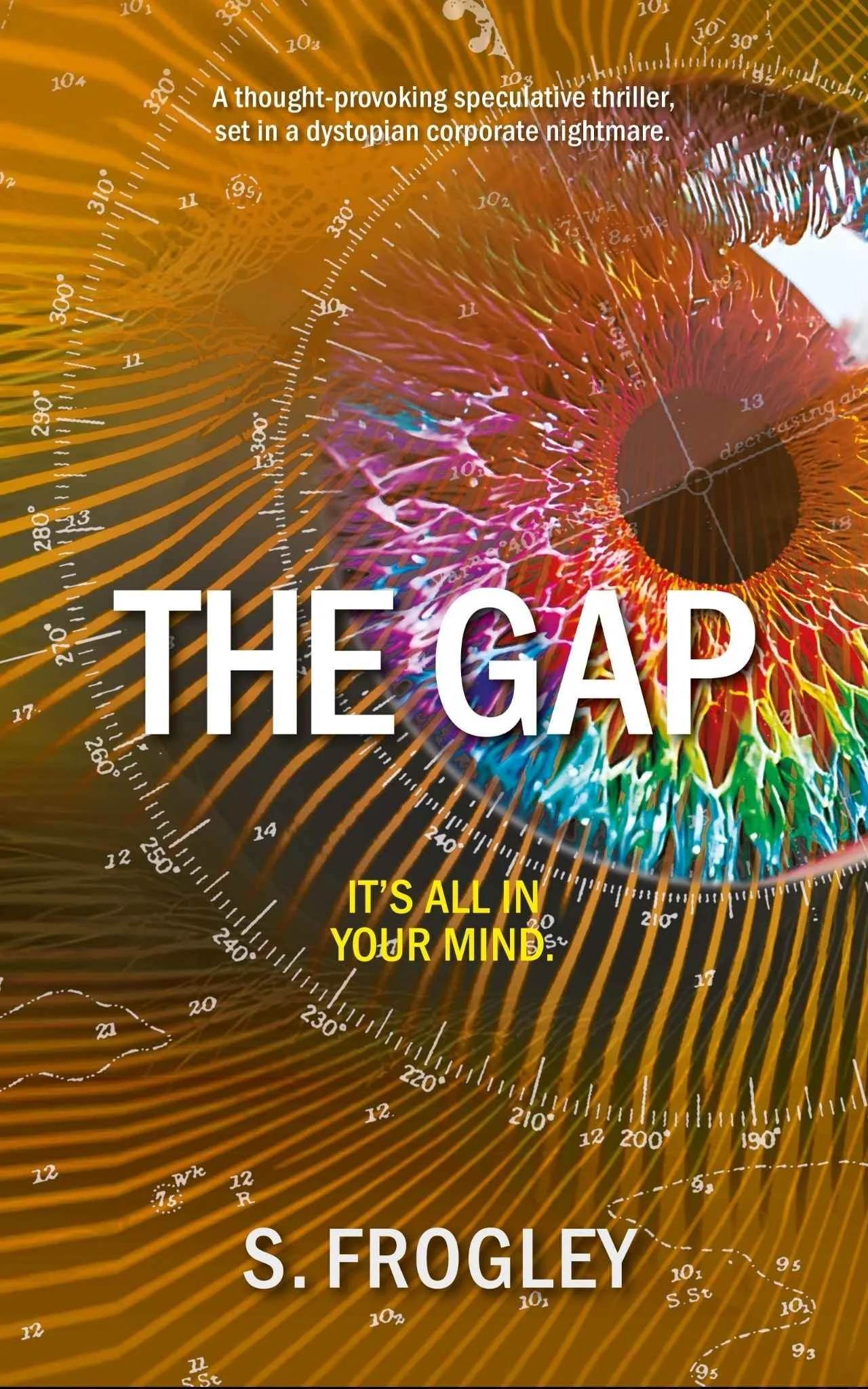
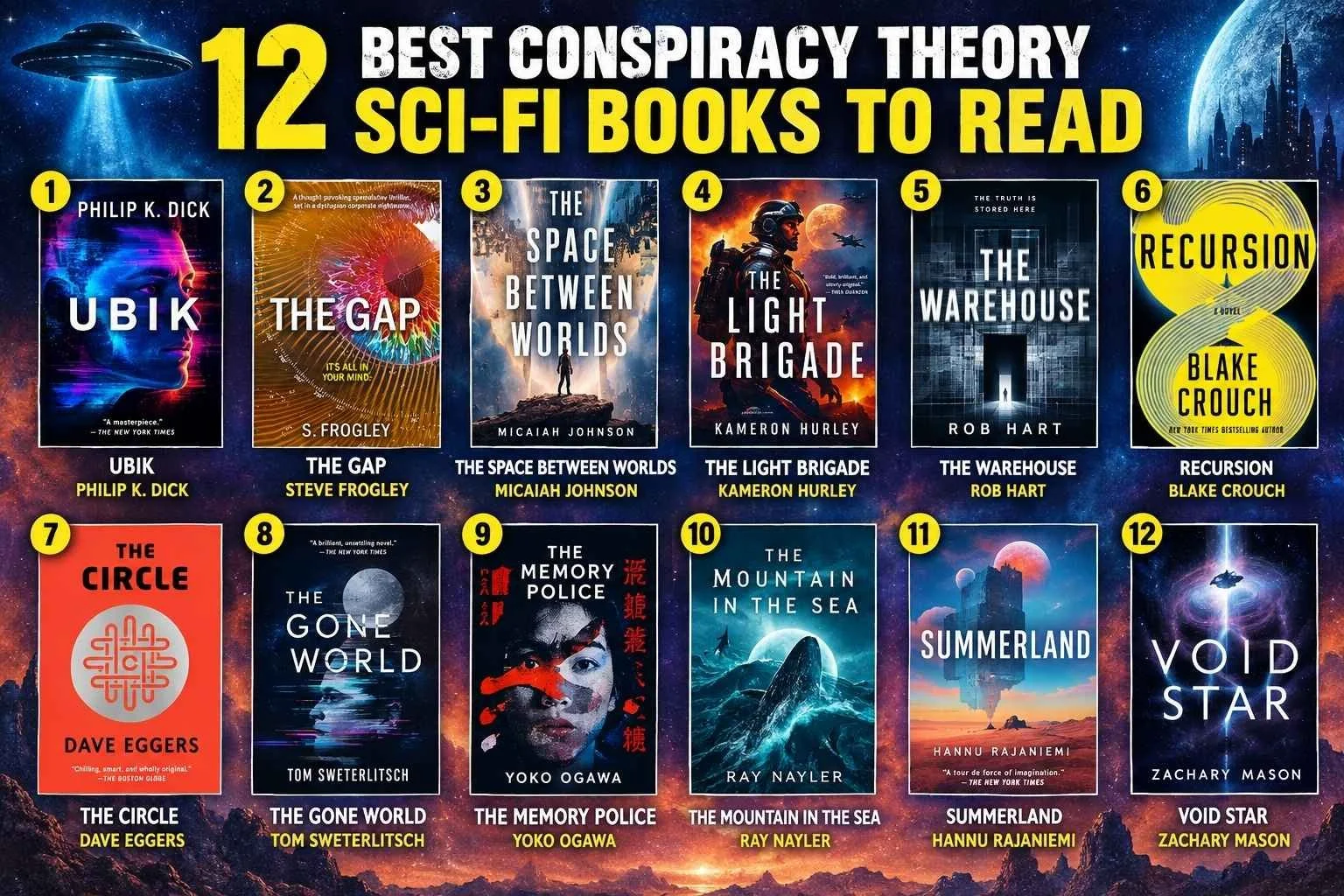
The Gap
A thought-provoking speculative thriller, set in a dystopian corporate nightmare. (The Schelldhardt Series Book 2.)
Release date 17th July 2026.
About Heptagon Books
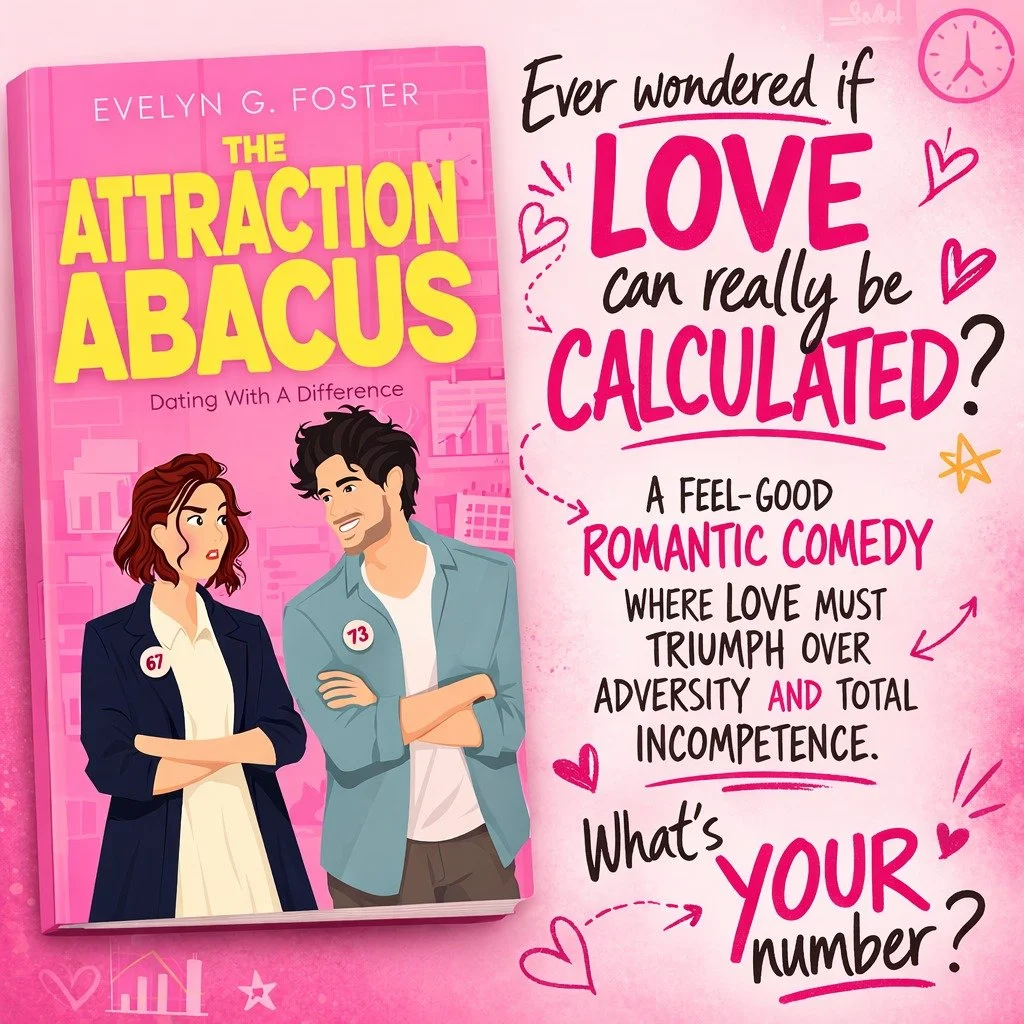
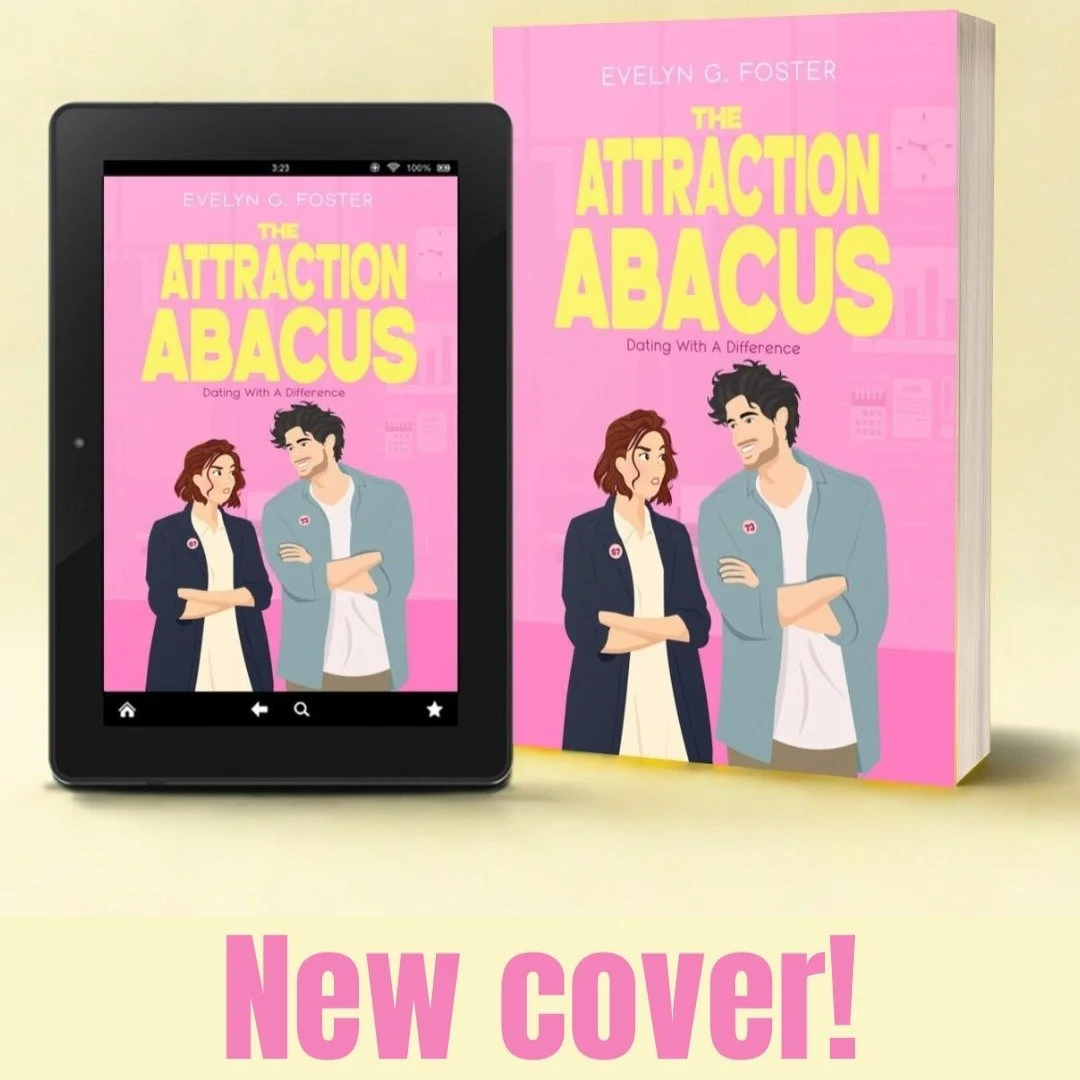
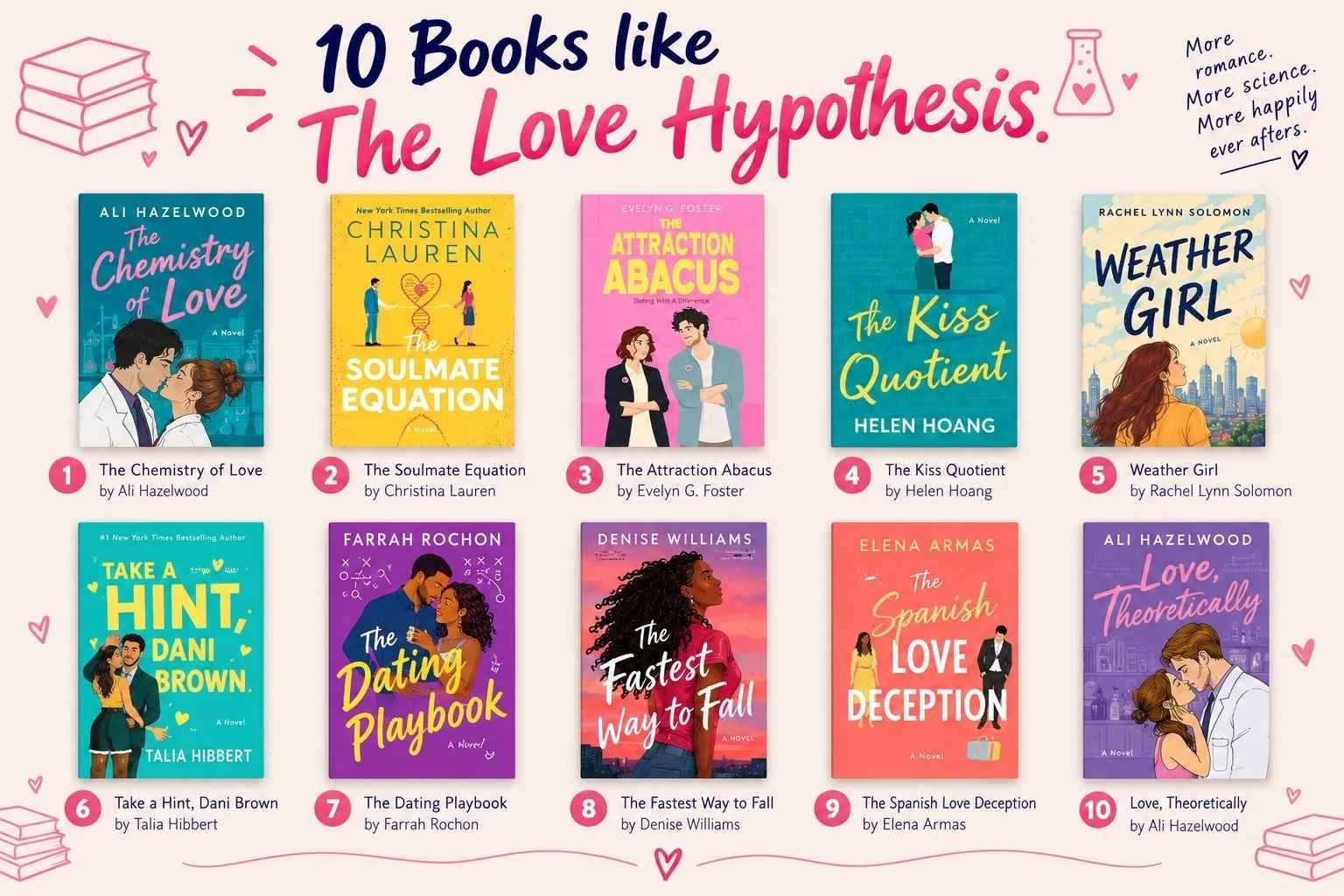
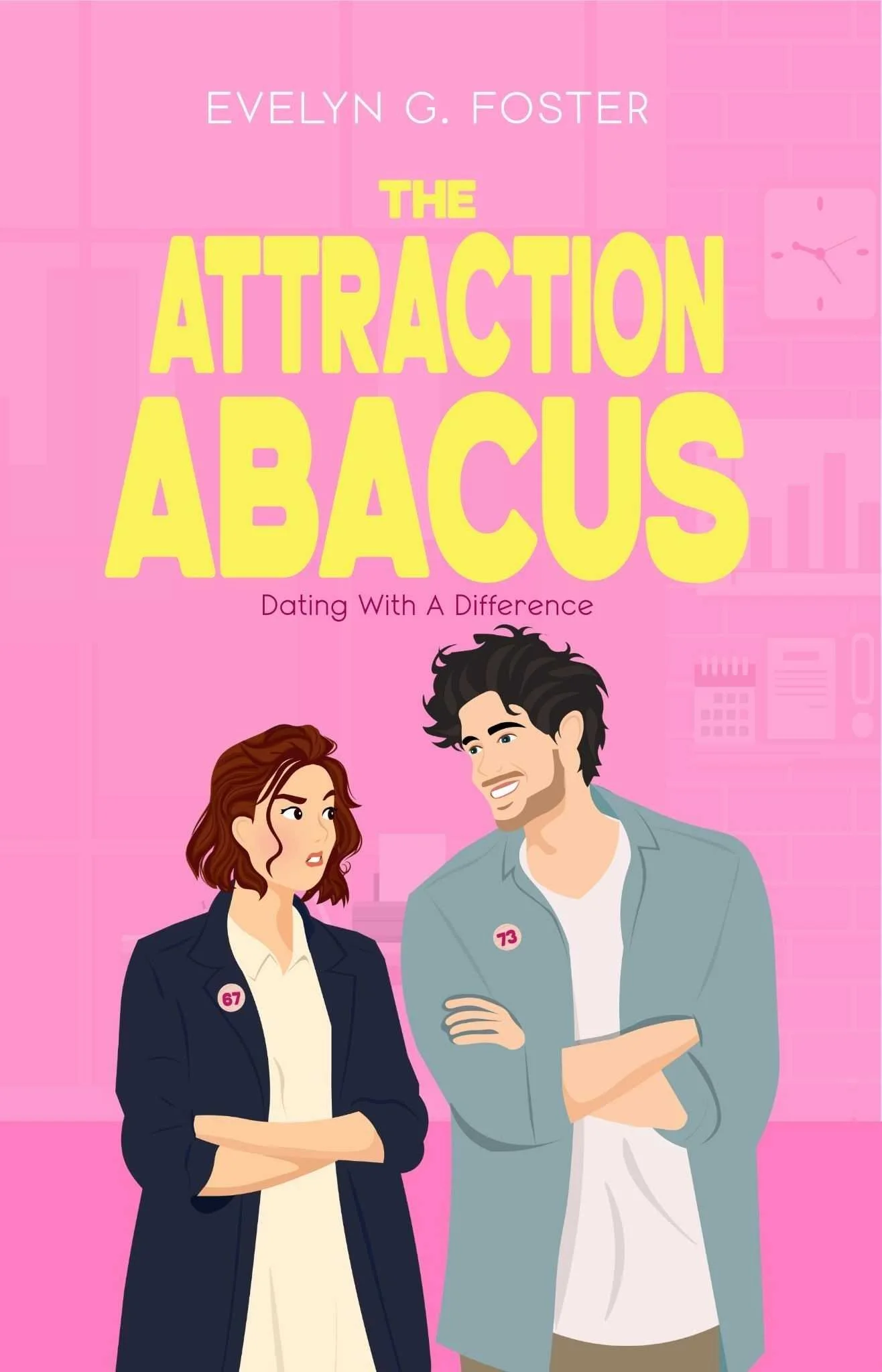
Heptagon Books is a UK independent fiction publisher focused on bringing contemporary, commercially appealing new fiction to readers who actively follow modern book culture. The business currently publishes and promotes titles by authors Evelyn G. Foster and Steve Frogley, with current emphasis on featured titles, The Attraction Abacus, The Path of Good Response and The Gap. Its value proposition sits in combining boutique independent publishing with highly market-aware editorial positioning: the brand connects its books to active reader conversations. Firstly, around romance, dating, rom-coms, and low-to-no spice books. Secondly, around thoughtful speculative thrillers that blur reality. Heptagon Books differentiates itself through personality-led publishing, direct-to-reader discovery, and article content that mirrors the language and interests of online reading communities such as BookTok and Bookstagram. Its business model is a focused independent publishing operation that uses author branding, title promotion, and editorial-style content marketing to drive awareness, engagement, and book orders.
A debut romance can feel like being handed a group-chat screenshot from someone you have known for years. The voice is immediate, the emotional stakes are suspiciously specific, and suddenly you are cancelling plans because two fictional people have failed to communicate for the third chapter in a row. Debut romance authors arrive with the particular energy of writers who have spent a long time noticing how people date, dodge, flirt, self-sabotage and fall in love now.
That does not mean every first novel is perfect. Some are gloriously messy. Some take a chapter or two to find their stride. But when a debut lands, it can feel less like being sold a polished product and more like discovering the book everyone will be talking about six months from now. For readers tired of recommendation lists that keep serving the same five titles in a trench coat, that feeling matters.
There is a particular kind of romantic chaos that begins with two people saying, “It’s just for appearances.” Readers searching for examples of fake dating romance are not looking for a sensible arrangement with sensible boundaries. They want the photo-worthy public performance, the one-bed hotel booking, the jealous ex who suddenly cares, and the deeply inconvenient moment when pretending starts to feel suspiciously real.
Fake dating is catnip because it puts romance on a timer. The couple must act convincing before they feel convincing, which means every held hand, shared look and casually deployed pet name comes with a little internal screaming. It is rom-com engineering at its finest.
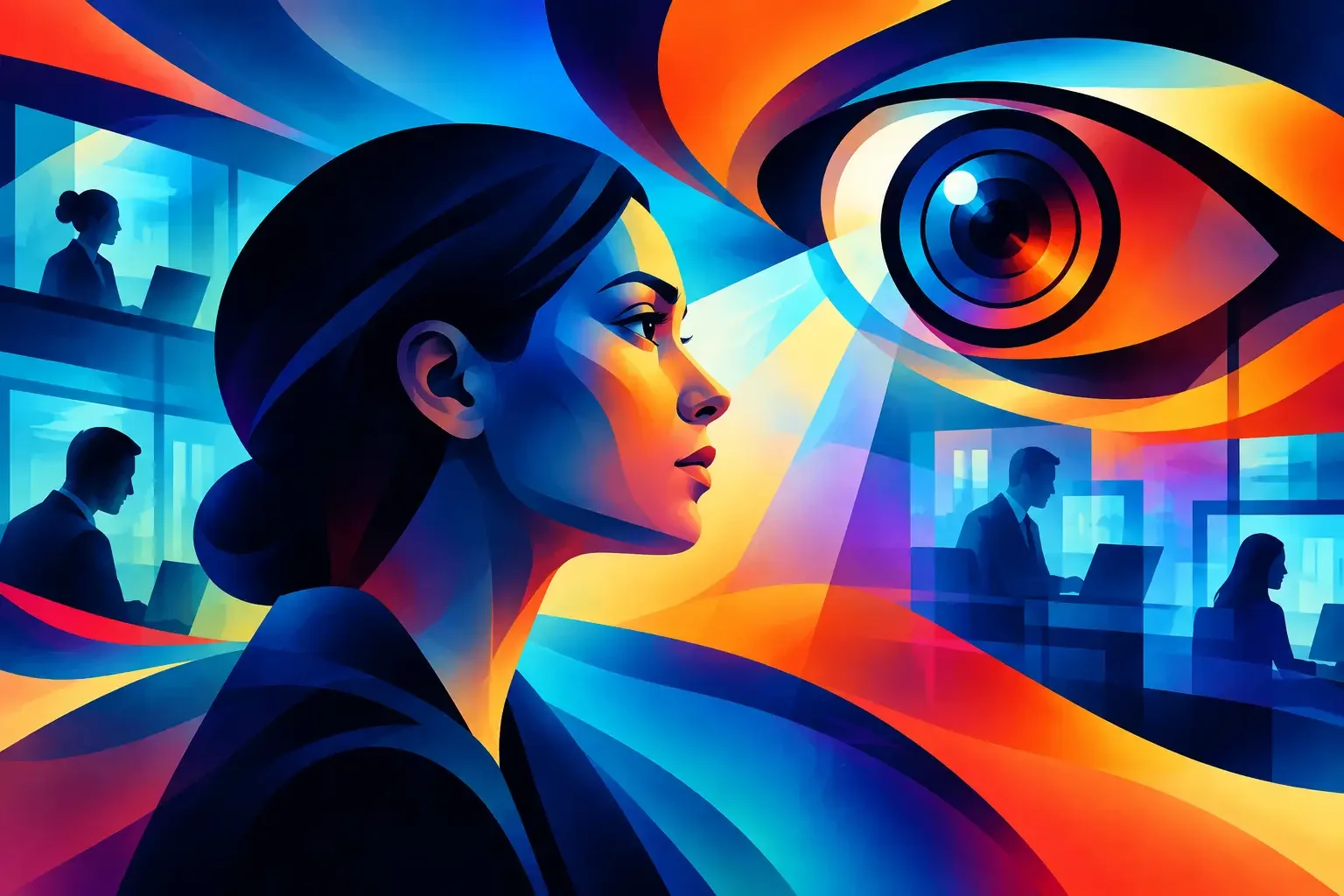
pristine city. A benevolent corporation. A system that promises to remove uncertainty, inefficiency and maybe even heartbreak. Then someone notices the catch. If you have ever watched The Truman Show and immediately wanted to inspect the nearest hidden camera, you already understand the pull.
So, why do readers like dystopian thrillers? It is not because anyone is longing for surveillance, social collapse or an app that grades their moral worth before breakfast. It is because these stories take the fears already buzzing beneath ordinary life - Who has my data? Who makes the rules? What happens when convenience becomes obedience? - and turn them into a high-stakes, can’t-look-away plot.
Dystopian thrillers are where big ideas get a chase scene. They let readers interrogate power, identity and human choice without having to write a dissertation or join a resistance movement by Tuesday.
One of the enduring strengths of dystopian fiction is that it rarely invents entirely new ideas. Instead, it takes existing trends, follows them to their logical conclusion, and asks readers whether the future it depicts is really as impossible as it first appears. George Orwell did not invent surveillance, Aldous Huxley did not invent consumerism, and Margaret Atwood did not invent religious extremism. Each simply imagined what might happen if those forces continued unchecked.
The same question can be asked of Total Time, the fictional employment system operated by Schelldhardt in The Path of Good Response and The Gap. Schelldhardt is the world's largest corporation, one whose relentless pursuit of growth overrides every other consideration. Within its organisation there is no concept of a working day, no weekends, no public holidays and no recognised religious festivals. Christmas Day is simply the twenty-fifth of December. Easter becomes another date in the calendar. Time itself no longer belongs to individuals but to the company.
You have found a rom-com with a cover that is giving main-character energy, a premise involving disastrous dating, and 4.8 stars from people who use crying emojis recreationally. Then comes the question that can make or break the purchase: how spicy is it, actually? This guide to heat levels in fiction is for readers who want fewer surprises, better book matches, and no more discovering a book’s definition of ‘closed door’ is suspiciously open.
The most chilling thing about Severance is not the fluorescent corridors, the waffles, or even the possibility that your outie has signed you up for something deeply cursed. It is the politely horrifying idea that work could claim a version of you with no memories, no choice and no way out. If you are looking for books like Severance, you probably want that same cocktail of corporate dread, identity crisis and the creeping sense that HR has become a religion.
The good news is that fiction has been side-eyeing offices, optimisation culture and big-business promises for years. The even better news is that these reads do more than recreate Lumon’s vibe. Some are bleaker, some funnier, and some get so strange you may briefly miss the reassuring menace of a mandatory melon bar.
Some romance novels make love look like a lightning strike. The best books about romantic compatibility know it is more often a group project with poor communication, inconvenient timing and at least one person saying, “I’m not looking for anything serious” while behaving extremely seriously.
Compatibility is not the same thing as instant chemistry. Chemistry is the eye contact across a crowded room. Compatibility is whether you can survive a delayed train, disagree about money, respect each other’s ambitions and still fancy one another after a week of shared flat admin. Less fireworks, more actual fire safety. Still hot, just arguably more useful.
That is what makes compatibility-centred romance so satisfying. These stories ask whether two people fit in the ways that count, without pretending a perfect match means never being irritated by someone’s eating habits. If you want romantic fiction with banter, emotional intelligence and a little scrutiny of the dating-industrial complex, start here.
Black Mirror has become synonymous with intelligent speculative fiction that explores the unintended consequences of technology. Rather than imagining distant galaxies, it asks what happens when today's innovations collide with timeless human flaws. The twelve novels below capture that same blend of ethical dilemmas, psychological suspense and near-future speculation.
If your ideal reading experience is muttering “well, that’s chilling” at 1am while promising yourself just one more chapter, the best dystopian thriller series books are probably already your lane. This is the sweet spot where oppressive systems, collapsing realities and genuinely tense plotting all meet - basically, stories that give you the adrenaline rush of a thriller with the brain-scratching aftertaste of speculative fiction.
And yes, not every dystopian series hits the same. Some are all action and rebellion. Some are colder, stranger and more philosophical. Some feel uncomfortably close to the world outside your window, which is great for the reading experience and less great for your blood pressure. The point is that “dystopian thriller” covers more ground than people sometimes admit, so the best picks depend on whether you want survival stakes, political menace, tech paranoia or reality-is-broken energy.
One glance at a romance cover and most readers can already tell whether they’re getting flirty banter, emotional devastation, small-town comfort, or a billionaire who absolutely needs therapy. That is why romance cover branding examples matter so much. In this genre, the cover is not just packaging - it is a promise about tone, heat level, setting, and the kind of reader experience waiting inside.
Romance readers are brilliant at pattern recognition. Spend five minutes on BookTok or Bookstagram and you’ll see it in action. People clock illustrated couples, moody florals, neon script, shirtless torsos, and pastel cartoon styling instantly. They know what looks like a closed-door rom-com and what looks like it’s about to ruin their weekend in the best possible way. Good branding works because it meets that reader fluency halfway.
nyone who has watched a character chat on a wall screen, ask a computer for answers, or unlock a door with their face has had the same slightly unnerving thought - hang on, we do that now. It is one of the reasons speculative fiction still hits so hard. The best stories are rarely about shiny gadgets alone. They are about the moment a wild idea stops being fantasy and starts feeling like Tuesday.
That shift matters because it changes how we read. A flying car is still a flying car. Fine. But the fiction that really lingers is the kind that quietly sneaks into everyday life and then makes us notice our own world with fresh suspicion. If you love stories in the orbit of The Matrix and Inception, this is part of the appeal. The future in those stories is frightening not because it is distant, but because it is nearly here.
One bad Hinge date and suddenly half your reading list makes more sense.
That is the real reason dating apps changed romance fiction so dramatically. Once love stories could rely on a chance glance across a bookshop, a spilled coffee, or a wrong number that somehow felt charming rather than mildly alarming. Now romance has to contend with read receipts, profile prompts, soft-launches, breadcrumbing, ghosting, and the weirdly intimate act of sending someone your most flattering three photos and hoping they understand your vibe. Contemporary romance did not just absorb dating app culture. It got rewritten by it.
For readers, that shift has been a gift and a complication. The gift is obvious - modern romance can feel sharper, funnier and far more honest about how people actually meet. The complication is that technology changes the mechanics of longing. It is harder to write yearning when both characters are carrying a tiny tracking device that can show whether someone is online, typing, active or simply choosing chaos.
That moment when a BookTok video promises a life-altering romance, the comments are full of sobbing emojis, and suddenly you're one click away from buying a book you know almost nothing about - yes, this is exactly why knowing how to spot BookTok romance hype matters. Not because viral books are bad, but because "TikTok made me buy it" and "this was made for me" are very much not the same thing.
BookTok is brilliant at creating urgency. It can make a mid-list backlist title feel like the only thing anyone has ever felt anything about. It can also flatten wildly different romance novels into the same high-speed sales pitch: banter, chemistry, one bed, devastating yearning, insane spice, changed my brain chemistry. Sometimes that pitch is accurate. Sometimes it is marketing theatre with a very pretty sprayed edge.
Some books give you a great concept. Others give you pace. The best sci-fi thriller books do the greedy thing and demand both - big ideas, high stakes, and that compulsive one-more-chapter feeling that ruins your bedtime in the best possible way.
It is a genre sweet spot for readers who want more than lasers and less than hard-science homework. If your taste runs towards stories like The Matrix, Inception, Black Mirror, Severance, or The Truman Show, you are probably not looking for space opera with a hundred-page glossary. You want pressure, paranoia, moral compromise, and at least one moment where reality itself feels slightly untrustworthy.
One platform will make you buy a novel because someone cried on camera for 14 seconds. The other will persuade you with a perfect flat lay, a candle, and a caption about yearning. That, in a nutshell, is booktok versus bookstagram book discovery - two wildly effective, slightly chaotic ways readers now find their next obsession.
If you read contemporary romance, rom-coms, low-spice love stories, or speculative thrillers with a reality-is-fraying edge, this matters more than it might seem. These platforms do not just recommend books. They frame them. They decide whether a title arrives as an emotional emergency, an aesthetic object, a talking point, or all three at once.
Some villains twirl a moustache. Others have a board, a logo, and a legal team. The best dystopian novels about corporations understand that the creepiest kind of power often arrives in a branded package, smiling politely while it monetises your body, your choices, and possibly your afterlife.
That is exactly why this corner of dystopian fiction hits so hard. Corporate dystopias do not just ask, what if society collapsed? They ask a nastier question: what if society kept running perfectly well for shareholders, while everyone else got chewed up by the machine? If you like your fiction with a side of anti-globalisation dread, blurred reality, and the queasy sense that someone in marketing has already focus-grouped the apocalypse, these books belong on your list.
A lot of readers pick their next book for very noble reasons. It has been on the TBR for ages. It won an award. Everyone on BookTok keeps crying over it. Your mate said it changed her life. Lovely. None of that tells you whether it suits your current headspace.
The better question is not "What should I read?" but "What can I emotionally handle, and what do I actually want more of right now?" Those are different things. Sometimes you want comfort. Sometimes you want chaos. Sometimes you want a clever speculative thriller that leaves you staring at the ceiling, wondering whether free will is a scam. Sometimes you want a romantic comedy with enough tension to keep things interesting but not so much angst you need to have a sit down.
Reading by mood works because mood shapes pace tolerance, emotional openness and attention span. If you are shattered, a dense literary novel with six timelines and no quotation marks may be a hard sell. If you are restless and under-stimulated, a gentle small-town story might feel like watching paint dry in knitwear.
In 1968, Arthur C. Clarke imagined a sentient computer capable of reasoning alongside astronauts. At the time it seemed fantastical; today artificial intelligence is woven into everyday life. History repeatedly demonstrates that science fiction often becomes science fact, and nowhere is that transition more evident than in neuroscience. Brain-computer interfaces, adaptive deep brain stimulation and AI-assisted neural decoding are steadily changing what is possible.
Some romances give you a tidy meet-cute, a few obstacles, and a kiss timed to perfection. Emotionally messy love stories do not believe in such polite behaviour. If you are here for a guide to emotionally messy love stories, you are probably not looking for immaculate people making sensible choices. You want yearning, bad timing, mixed signals, emotional baggage, and that very specific kind of pain where two people are clearly gone for each other and still somehow make everything worse before they make it better.
This is not the same thing as chaos for chaos's sake, and it is definitely not a free pass for weak character work. The best messy romances feel intense because the emotions are earned. The characters are not dramatic in a vacuum. They are carrying history, fear, pride, grief, loneliness, or a complete inability to say the one honest sentence that would save everyone six chapters of suffering. That is the good stuff.
If your ideal book leaves you staring at the ceiling afterwards, mildly unnerved and suddenly suspicious of reality itself, you are probably already in the market for the best speculative fiction. This is the shelf where big ideas get teeth. It is where a story asks, what if the world shifted one degree off centre, and then forces ordinary people to live with the consequences.
The genre is gloriously slippery. One reader means dystopia. Another means climate fiction, alternate history, near-future tech paranoia, or that deliciously specific kind of novel where everything seems normal until one tiny detail says absolutely not. The good news is that speculative fiction is broad enough to cover all of that. The bad news is that recommendation lists often lump together anything vaguely strange and call it a day.
So, instead of serving up a random stack of books with a sci-fi sticker slapped on the front, here is a sharper list. These are books that genuinely play with reality, systems, identity, power, and the terrifying possibility that the world you trust is built on rules you never agreed to.
If your ideal reading night involves terrible text replies, accidental oversharing, mutual pining and at least one deeply inconvenient crush, books with dating dilemmas are probably already your thing. They sit in that deliciously chaotic space where romance feels fun because it is not tidy. People misread signals, pick the wrong person, catch feelings at bad times and make choices that are, frankly, not their best work. Which is exactly why these stories are so readable.
The appeal is not just the romance. It is the recognition. Modern dating fiction works when it understands that attraction can be thrilling and embarrassing in equal measure, and that a good love story often starts with someone making a truly questionable decision. If you want novels that feel current, emotionally sharp and very easy to discuss with your group chat, this corner of fiction earns its place on the stack.
There is a particular kind of story that stays with us long after the credits roll or the final page is turned. It isn't simply because of an exciting plot twist or a cleverly constructed mystery. Instead, these stories quietly ask one unsettling question:
What if the world you trust isn't the world that's really there?
Films such as The Matrix, Inception and The Truman Show have become modern classics because they do more than entertain. They challenge our assumptions about reality itself. They encourage us to question our memories, our choices, our identities, and even whether the people and institutions we trust deserve that trust at all.
One awkward wedding seating plan, one emotionally unavailable ex, one best friend who says, “I’m fine” when she is very much not - this is exactly where women's fiction about relationships earns its keep. It deals in the stuff that can wreck your week or remake your life, and it does it with more nuance than a simple will-they-won’t-they setup. If romance gives you the butterflies, this corner of fiction gives you the full group chat analysis afterwards.
One accidental plus-one to a wedding, one wildly unconvincing "we're together, actually", and suddenly a reader is cancelling plans to finish the book. If you've ever wondered why do readers like fake dating, the short answer is this: it delivers maximum romantic chaos with a guaranteed emotional payoff. It is messy, flirty, structured, and just self-aware enough to be irresistible.
Fake dating is one of those tropes that keeps surviving every trend cycle because it understands the assignment. Readers know the couple are pretending. The characters know they're pretending. Everyone also knows somebody is going to catch feelings and make it everybody's problem. That delicious inevitability is not a flaw. It is the whole point.
Some gifts say, “I saw this and thought of you.” A romance novel says, “I know your emotional support trope, your tolerance for spice, and whether you want to cry on page 312.” That is why the best romance books for gifting are never just the current bestseller slapped in a gift bag. They are personality picks.
Romance readers are gloriously specific. One person wants flirty banter and zero heartbreak. Another wants yearning so intense it should come with a warning label. Someone else wants a clever, modern love story they can finish in a weekend and immediately post about with three tabs of annotations. So if you are buying romance for a friend, partner, sister, mum or your book-club mate who has opinions about third-act break-ups, the trick is matching the book to the reader rather than chasing a generic “everyone loves this” title.
f you've ever said, "I want a rom-com, but not that kind of rom-com," congratulations - this guide to romantic comedy subgenres is for you. Because "romantic comedy" is less one neat shelf and more a chaotic group chat full of fake dating enthusiasts, enemies-to-lovers loyalists, low-spice softies, and readers who want emotional damage lightly dusted with banter.
The problem is that plenty of books get labelled rom-com when they are, in fact, women's fiction with a kiss, straight-up romance with a few jokes, or two traumatised people making flirty eye contact in a bakery. None of those are bad. But if you're trying to find your exact flavour, the subgenre matters. A lot.
There is a very specific type of disappointment that comes from taking the wrong book on holiday. You wanted flirtation, sunshine, mildly unhinged chemistry and a guaranteed emotional payoff. Instead, you got existential dread in a linen cover. If you are hunting for the best summer rom com reads, the brief is actually quite clear: wit, warmth, momentum, and at least one character making a terrible romantic decision in a beautiful location.
Summer rom coms work best when they understand the assignment. They should feel breezy without being forgettable, romantic without turning saccharine, and funny without trying too hard to be the book version of a stand-up set. The good ones know that setting matters, pacing matters, and so does the all-important question every reader is quietly asking now: what is the vibe, and how much spice are we talking?
Some books are for emotional devastation. Others are for when your group chat is chaotic, your inbox is feral, and you simply cannot cope with a third-act breakup that feels like an HR incident. That is exactly where the best low angst romance reads earn their place on your shelf.
Low angst romance is not boring romance, and frankly it deserves better PR. A book can still have chemistry, tension, longing and excellent kissing while skipping the soul-crushing misunderstandings, relentless trauma and will-they-won't-they misery that leaves you staring at the wall. If your ideal reading mood is more giggly feet-kicking than emotional endurance test, this corner of romance is very much for you.
One missed text, one terrible hinge date, one chance encounter in a coffee queue, and suddenly you are exactly where romantic comedy novels want you - in that delicious space between chaos and hope. They know modern love is a bit cringe, occasionally bleak, often hilarious, and somehow still worth rooting for. That is the trick. Rom-com novels do not ask readers to believe dating is easy. They ask us to believe it can still be fun.
That matters more than ever because readers are not short on love stories. They are short on love stories with the right balance. Too cynical, and the whole thing feels like doomscrolling with a kiss at the end. Too sugary, and it reads like nobody in the book has ever paid rent, sent an ill-advised voice note, or had a situationship linger three months too long. The best romantic comedy novels land in the sweet spot - emotionally honest, sharply observed, and actually funny.
If your reading taste lives somewhere between rom-com comfort, dating-app fatigue and the very specific thrill of a text message that says “hey stranger”, the best funny books about modern love are doing a lot of heavy lifting. They need to be genuinely witty, emotionally switched on, and current enough to understand that modern romance is rarely candlelight and certainty. More often, it is bad timing, overthinking, mixed signals and one friend saying “block him” before you have even finished the story.
The sweet spot is not just a book with jokes in it. It is a novel that gets why modern love is funny in the first place. We are all supposedly more connected, more self-aware and more fluent in therapy language than ever, and yet people are still decoding punctuation in WhatsApp messages like they are working for MI5. That gap between what we think love should look like and what it actually looks like is where the best books find their comic gold.