
A Guide to Psychological Suspense That Lingers
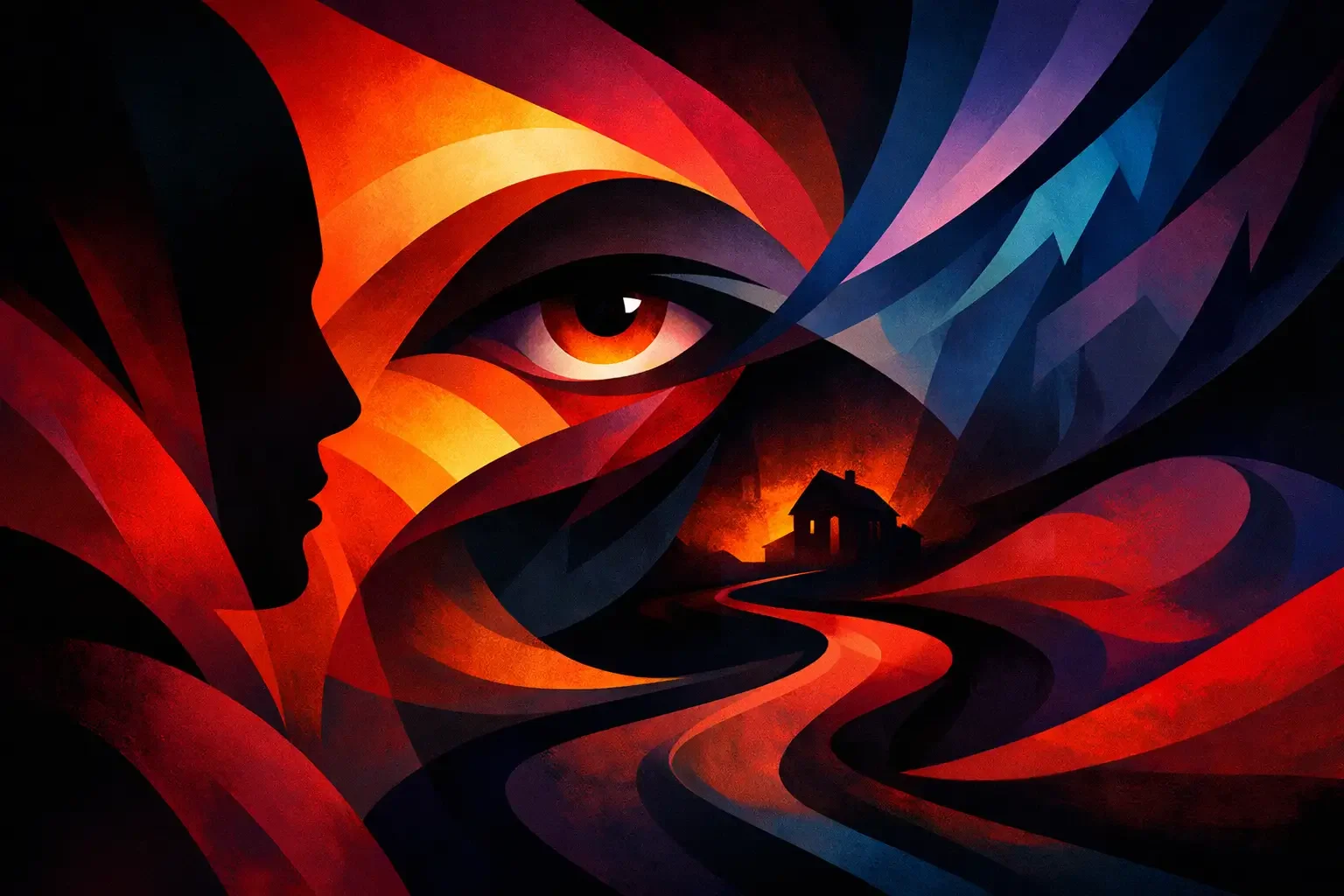
Psychological suspense books
A locked room is scary. A locked room where the narrator cannot remember why they are there? That is the good stuff. This guide to psychological suspense is for readers who want tension with a pulse, a mystery that messes with their assumptions, and the particular late-night feeling of thinking, I should sleep, but I need to know if any of this is real.
Psychological suspense does not need a masked killer, a body count or a detective with a tortured past to work. Its main weapon is uncertainty. The threat may be a person, a memory, a workplace, a marriage, a corporation or the protagonist’s own mind. Often, it is several of those things at once. The plot pulls you forward, but the real hook is more intimate: can you trust what you are being shown?
What psychological suspense actually means
At its core, psychological suspense is fiction that creates danger through perception, pressure and doubt. The reader is not simply asking, “What happens next?” They are asking, “Who is telling the truth?”, “What is being left out?” and, occasionally, “Am I being expertly gaslit by a paperback?”
A conventional thriller often makes the external stakes clear early on. Someone is missing. A crime has happened. Time is running out. Psychological suspense may begin somewhere far more ordinary: a couple move house, an employee receives a strange instruction, an old friend gets back in touch, or a character notices a tiny inconsistency nobody else seems to see. Then the ordinary starts to tilt.
That tilt matters. The best books make familiar places feel faintly hostile. A kitchen becomes a crime scene waiting to happen. A text message gains the emotional weight of a ransom note. A perfectly polite colleague starts to seem like someone who has definitely read your diary.
The ingredients that make the tension stick
Psychological suspense has plenty of room to play, but a few elements crop up again and again. They are not rules, exactly. Think of them as the genre’s favourite ways to ruin a reader’s sense of calm.
An unreliable point of view
An unreliable narrator is not always lying. They may be frightened, traumatised, manipulated, grieving, sleep-deprived or working with information that is simply wrong. Sometimes they are telling the truth as they understand it, which can be much more unsettling than a straightforward deception.
This is why first-person narration is such a powerful fit for the genre. You are trapped behind a character’s eyes, receiving every clue and every blind spot at the same time. Third person can be just as effective, especially when it stays close enough to one character for their fears to become yours.
Stakes that feel personal
The danger in psychological suspense is often emotional before it is physical. A character may fear losing their child, their reputation, their job, their relationship or their grip on reality. Those losses land because they are recognisable. Few of us will be chased across a rooftop by an international assassin. Many of us have sent a message and immediately wondered whether it sounded odd.
The genre takes that everyday vulnerability and turns the volume up. It knows that a secret can be as threatening as a weapon when the right person has it.
Information with a suspiciously good poker face
Expect omissions, contradictions and details that look decorative until they absolutely are not. A good psychological suspense novel makes you notice what is absent as much as what is present. Why will nobody answer one simple question? Why is the protagonist avoiding a particular memory? Why is the new neighbour so interested in the garden shed?
This does not mean every book needs a last-page twist designed to make you throw it across the room in admiration. A twist is only satisfying when it changes the meaning of what came before without feeling as though the author hid the ball under the sofa. The strongest reveals feel both surprising and inevitable. Annoying, frankly, but in the best possible way.
Atmosphere over noise
Psychological suspense can be quiet. In fact, quiet is often its superpower. A slow build, an increasingly claustrophobic setting and a recurring detail can produce more dread than a chapter packed with explosions.
That said, pace is not the same as action. A novel can move quickly while remaining inward-looking if each scene alters what the character, and reader, believes. If a book spends 100 pages circling the same suspicion without deepening it, that is not simmering tension. That is a queue at the post office with better prose.
A guide to psychological suspense subgenres
If you have ever said “I want a thriller, but make it weirdly emotional”, you have already narrowed the field. Psychological suspense comes in several flavours, and knowing yours makes finding the next read much easier.
Domestic psychological suspense puts homes, families, friendships and intimate relationships under the microscope. These stories often thrive on secrets, power imbalances and the horrifying possibility that the person sharing your bed knows you least of all. If your ideal tension begins with a dinner party where everyone is smiling too carefully, start here.
Psychological crime fiction blends a mystery or investigation with a close focus on motive and perception. The question may be who committed the crime, but it is equally likely to be why a witness cannot remember a crucial evening, or why the investigator is becoming personally entangled.
Speculative psychological suspense asks the deliciously destabilising question: what if reality itself has terms and conditions? Fans of The Matrix, Inception and The Truman Show will recognise the appeal. A system appears rational, efficient or even benevolent, until a character spots the cost of belonging to it. Corporate ambition, surveillance, manufactured choices and the idea of a “perfect” decision can all become deeply creepy very quickly.
Then there is the literary-leaning end of the spectrum, where language, memory and character do much of the heavy lifting. These books may be less interested in a clean-cut solution and more interested in leaving you with a bruise of a question. For some readers, that ambiguity is the point. For others, it is a reason to shout, “But what actually happened?” at 1am. Both responses are valid.
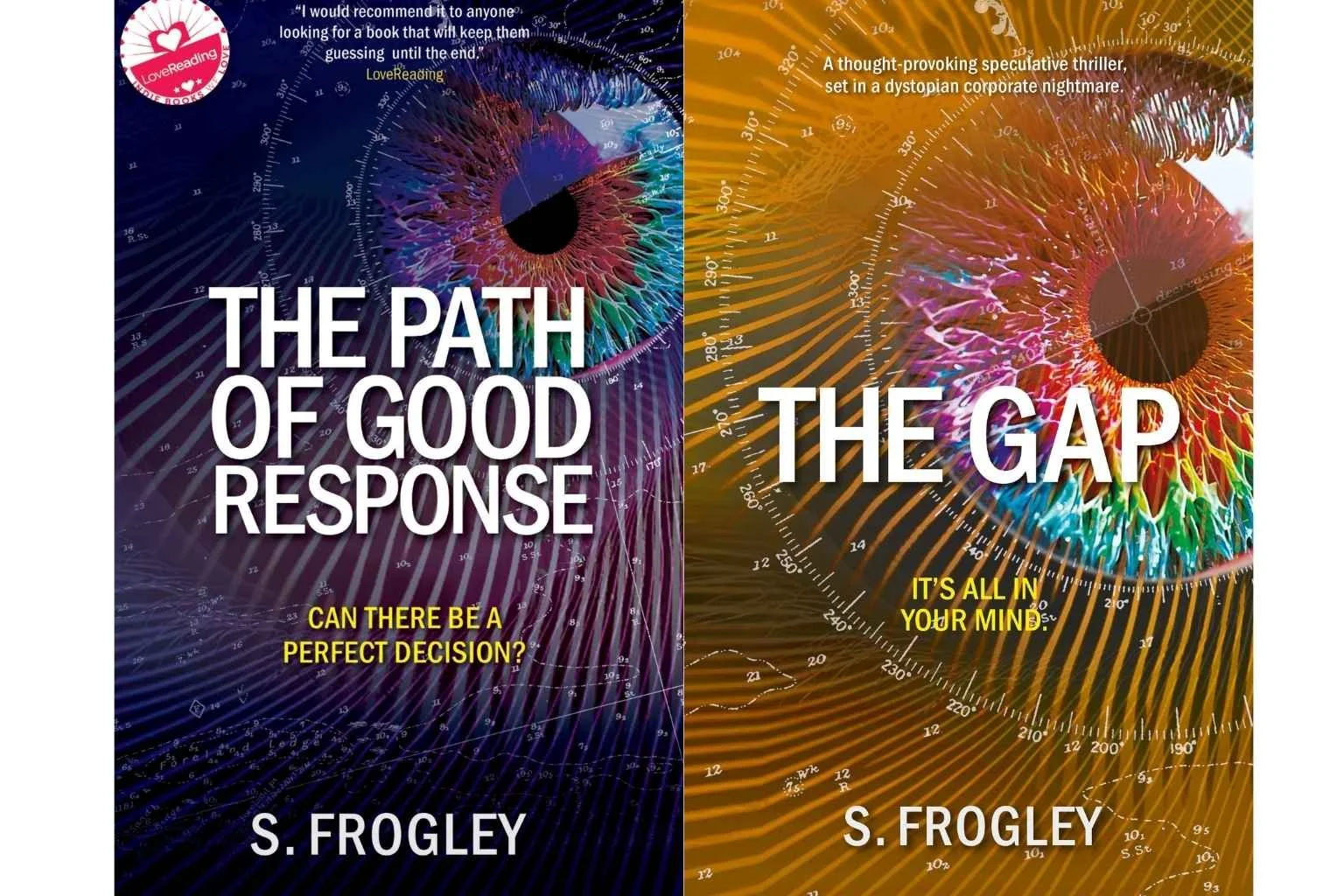
Ad: The Schelldhardt series. Psychological speculative suspense fiction.
How to choose your next psychological suspense read
Genre labels can be gloriously vague, so look beyond “thriller” when you are browsing. The blurb should tell you what kind of tension is on offer. Does it foreground a missing person, a marriage, a workplace, an experimental programme, a contested memory or a reality that does not quite add up? That is usually a better guide than whether the cover has a house, a woman seen from behind, or an extremely ominous fog.
It is also worth checking your appetite for darkness. Psychological suspense can explore coercive control, grief, mental illness, violence, abuse and paranoia. A book can be brilliant and still be the wrong companion for a tender week. Reader reviews can help here, especially when they describe tone rather than merely declaring “couldn’t put it down”. Look for phrases such as slow-burn, twisty, unsettling, character-led, bleak or satisfying ending. They are small but useful signals.
Think about the ending you prefer, too. If you need answers neatly placed in your hands, choose crime-leaning or plot-driven suspense. If you enjoy discussing three possible interpretations with your group chat, speculative and literary versions may be your lane. Neither is cleverer. They simply deliver different forms of payoff.
For readers drawn to stories where systems promise certainty while quietly taking control, Heptagon Books’ The Gap sits in that reality-blurring, thought-provoking space. It is the sort of premise that invites the best kind of post-reading question: if a choice is optimised for you, is it still yours?
Why we keep coming back for the mind games
There is a particular pleasure in reading psychological suspense because it makes us active participants. We scan dialogue for double meanings. We build theories. We mistrust lamps, locks, photographs and people who say “You’re overreacting”. The genre lets us rehearse fear from a safe distance, then rewards us when we spot a clue before the protagonist does. Or humbles us when we do not.
More than that, the genre understands that certainty is fragile. We like to believe we know our partners, our routines, our institutions and ourselves. Psychological suspense gives that belief one gentle nudge, then watches the cracks spread. It is entertaining because it is exaggerated, but it stays with us because the underlying anxieties are real.
Choose the book that unsettles you in the way you enjoy, whether that means a marriage full of secrets, a narrator with missing time or a corporation offering a suspiciously tidy version of human happiness. Keep a light on if you like. Just do not trust the person who says there is nothing to worry about.
