
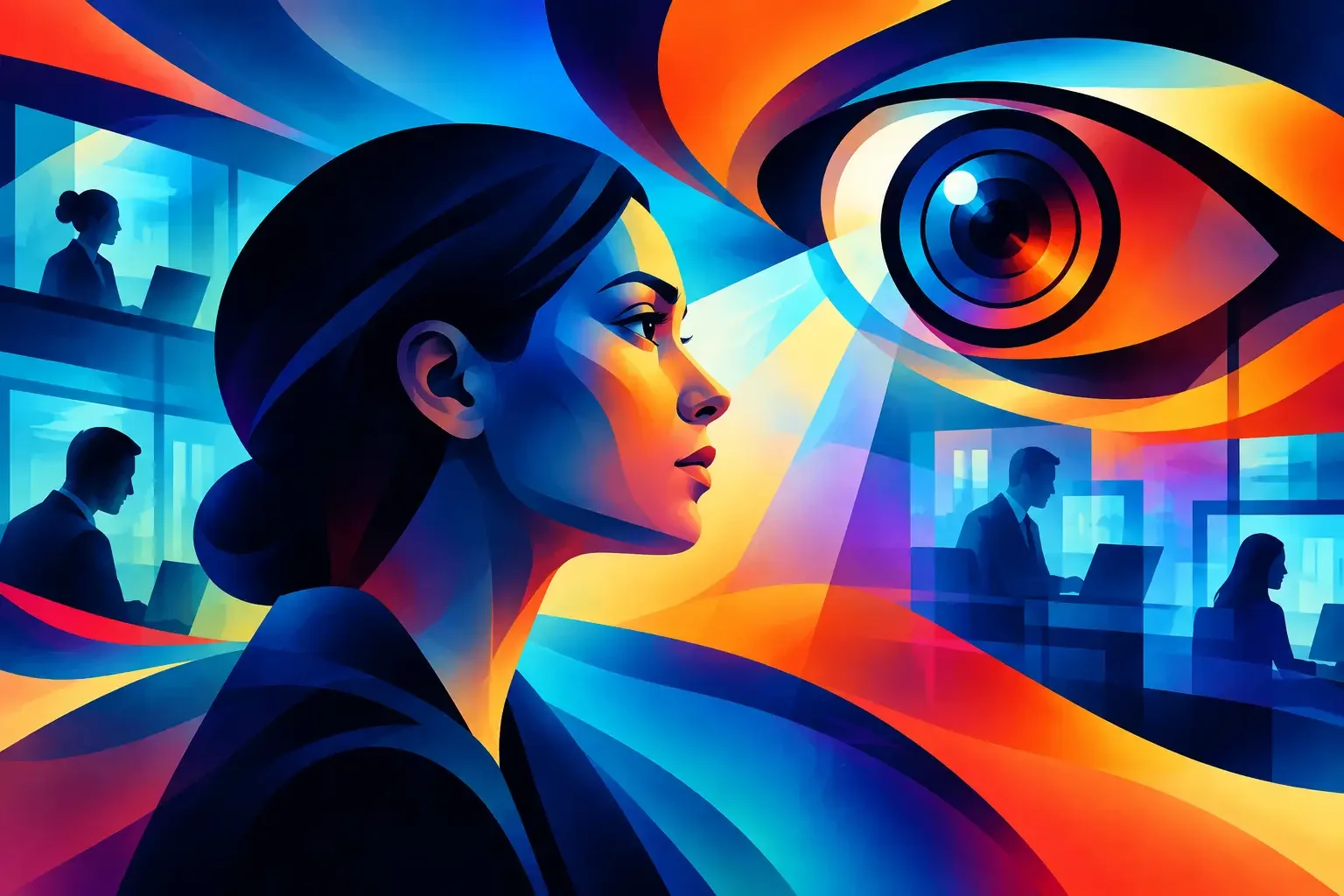
Why Corporate Surveillance Fiction Feels So Real
The creepiest thing about corporate surveillance fiction is not usually the camera in the corner. It is the friendly pop-up asking whether you would like a more personalised experience. It is the wellness app that knows you slept badly, the office platform that records your ‘engagement’, the loyalty scheme that has somehow clocked your routine before you have. No sinister cackling required. Just a logo, a consent box and a very cheerful shade of blue.
That is why this corner of speculative fiction has such bite. It takes the little trade-offs we already make for convenience and follows them to their least cosy conclusion. The result is not simply dystopia with better branding. It is a thriller about power, choice and the unnerving possibility that a company understands the shape of your life better than the people in it.
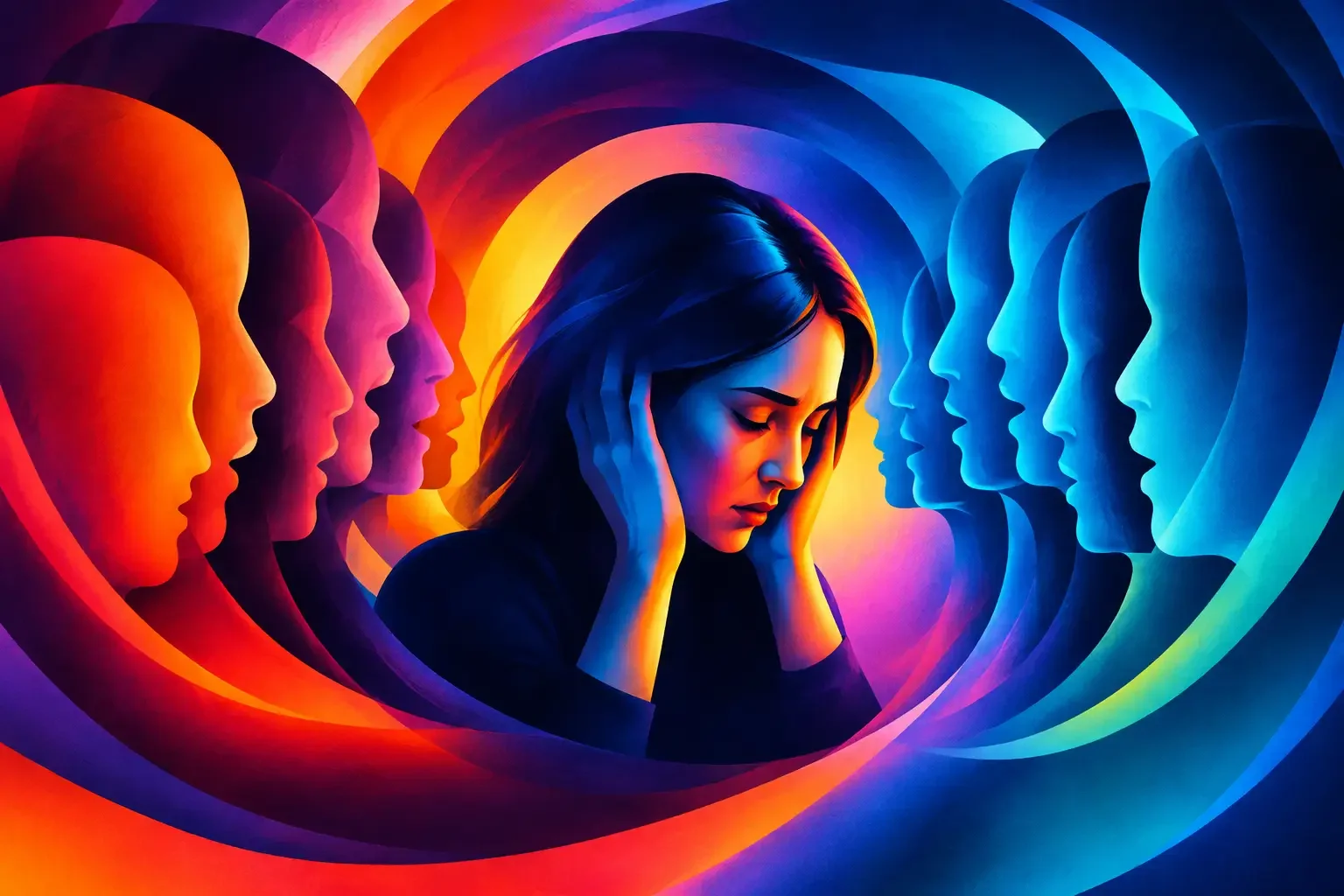
Why Echo Chamber Fiction Feels So Unsettling
The creepiest moment in an echo chamber fiction story is rarely the masked villain, the exploding building or the ominous corporate logo. It is the moment a character realises everyone around them agrees a little too perfectly. Their friends, feeds, news channels and colleagues all have the same answer. They have been handed a reality that feels reassuringly tidy - which is exactly the problem.
Echo chamber fiction has become a particularly sharp way of telling stories about modern life. We know the feeling of seeing a strangely specific opinion repeated so often online that it starts to seem like common sense. We know how quickly an algorithm can turn mild curiosity into a tunnel. Fiction takes that uneasy recognition and pushes it somewhere thrilling: what if the system deciding what you see is not merely trying to sell you trainers or make you scroll through dinner?
Why British Sci-Fi Thrillers Feel So Unsettling
A fluorescent office. A polite government announcement. A new app that knows rather too much about your habits. British sci-fi thrillers rarely need a laser battle to get under your skin. Their speciality is taking a recognisable bit of everyday life and turning the dread dial one careful click at a time.
That is why the best British sci-fi thrillers linger. They are not only asking whether technology will become frightening. They are asking why we were so willing to let it into the building, give it a staff pass and offer it a biscuit.
Speculative Fiction Trends Worth Watching Now
The most interesting speculative fiction trends are not asking whether technology might change our lives. They are asking who gets to press the button, who writes the terms and conditions, and why the supposedly perfect system feels faintly like a hostage situation. If you like The Matrix, Inception or The Truman Show, this is very much your reading era.
The genre is moving away from shiny gadget worship and towards something more intimate, unnerving and emotionally exact. The nightmare is no longer a distant robot uprising. It is an app that knows you better than your best friend, an employer that can edit your memories, or a corporation offering to solve your loneliness for one small, non-refundable sacrifice.
For readers who enjoy a thriller with a philosophical itch beneath it, that is excellent news. Here are the currents shaping speculative fiction right now - and why they are landing so hard.

A Guide to Corporate Dystopias That Bite Back
The worst corporate dystopia does not begin with a skull-shaped logo or a CEO stroking a white cat. It begins with a useful app. A loyalty scheme. A workplace that says it is a family, then asks why you have not answered messages at 11.48 pm. This guide to corporate dystopias is for readers who enjoy the uncomfortable little shiver of recognising that the fictional nightmare is only two product updates away.
Corporate dystopian fiction turns capitalism's most polished promises into pressure points. Convenience becomes control. Personalisation becomes surveillance. Growth becomes a moral imperative so vast that actual people are reduced to a minor inconvenience in the quarterly report. It is the genre's particular party trick: making a glass-walled office, an attractive interface or a branded tote bag feel faintly menacing.
What Is a Reality Thriller? The Genre That Gaslights You
You know that tiny, prickly moment when a character notices the same stranger on their commute three days running, or finds a door in their flat that definitely was not there yesterday? That is the good stuff. If you have ever asked, what is a reality thriller, the short answer is: it is fiction built around a terrifying possibility - that the world you trust is edited, engineered, simulated or quietly lying to you.
Reality thrillers turn certainty into a trap. The protagonist believes they understand their life, their memories and the rules of the place they inhabit. Then something fails the vibe check. A repeated phrase. A missing hour. A corporate slogan that feels a little too interested in their wellbeing. Before long, the question is not simply, “Who is after me?” It is, “What is real, and who benefits if I never find out?”
Speculative Fiction Trends Worth Watching Now
The most interesting speculative fiction trends are not asking whether technology might change our lives. They are asking who gets to press the button, who writes the terms and conditions, and why the supposedly perfect system feels faintly like a hostage situation. If you like The Matrix, Inception or The Truman Show, this is very much your reading era.
The genre is moving away from shiny gadget worship and towards something more intimate, unnerving and emotionally exact. The nightmare is no longer a distant robot uprising. It is an app that knows you better than your best friend, an employer that can edit your memories, or a corporation offering to solve your loneliness for one small, non-refundable sacrifice.
For readers who enjoy a thriller with a philosophical itch beneath it, that is excellent news. Here are the currents shaping speculative fiction right now - and why they are landing so hard.
How to Avoid Predictable Thrillers; Books That Feel Fresh
You know the feeling. You are 60 pages into a thriller, the charming new colleague is obviously not charming, the missing spouse is obviously not missing in the usual sense, and the big twist has already waved at you from chapter three. Learning how to avoid predictable thrillers is less about becoming impossible to surprise and more about choosing books that are playing a more interesting game.
A great thriller does not need to hide every clue in a locked drawer. In fact, the best ones often show you the danger early, then make you question what the danger actually means. If you like the reality-warping unease of The Matrix, Inception or The Truman Show, you are not necessarily looking for a bigger body count. You are looking for a story that makes the world feel fractionally wrong, then refuses to hand you the instruction manual.
12 Best Sci-Fi Thriller Book Series to Binge
Some books ask, “What if technology went wrong?” The best sci-fi thriller book series ask a nastier question: “What if it is working exactly as intended?”
That is the sweet spot. You want the chase, the cliff-hanger, the slightly alarming corporation with a very clean logo. But you also want an idea big enough to follow you around while you make tea. The picks below are for readers who like The Matrix, Inception and The Truman Show because reality feels suspiciously well managed, and because somebody, somewhere, is definitely withholding the terms and conditions.
12 Best Grounded Sci-Fi Novels That Feel Real
A spaceship is fun. A spaceship that feels like it could break down on the M25 of the solar system is better. The best grounded sci-fi novels take one recognisable part of modern life - work, climate anxiety, dating, surveillance, corporate power, grief - and nudge it just far enough for you to feel the chill.
This is sci-fi for readers who enjoy big ideas but do not require a glossary of made-up minerals before page 30. Think less laser-gun wallpaper, more: wait, could this actually happen? Some are scientifically meticulous; others are emotionally plausible rather than technically exact. All of them understand that the scariest future is usually the one that looks suspiciously like Tuesday.
10 Best Techno Thrillers That Glitch Reality
There is a special kind of dread reserved for stories in which the Wi-Fi is working perfectly, the company’s mission statement sounds lovely, and absolutely nobody will tell you what the algorithm is doing. The best techno thrillers understand that technology is rarely the monster on its own. The monster is the person who says it will make life better, then quietly removes the exit.
This is the genre for readers who enjoyed The Matrix, Inception and The Truman Show but wanted more footnotes, more corporate overreach and more moments of looking at their own phone with mild suspicion. A great techno thriller combines propulsive plotting with a properly chewy question: if a system can predict, improve or even replace human judgement, who gets to decide what “better” means?
10 Thrillers About Unethical Technology to Read
A good tech thriller takes a familiar promise - safety, connection, efficiency, better choices - and follows it past the point where a sensible person should probably put their phone in a drawer. Think The Matrix, The Truman Show and Inception: stories where reality becomes unstable, control wears a reassuring smile, and somebody else has been editing the rules.
The corporate villain is often the real star. Not a cackling mastermind in a secret lair, but a company with clean branding, a cheery mission statement and a growth target that somehow requires the removal of human agency. These books are not anti-technology in the “back to candles and carrier pigeons” sense. They ask harder questions. Who owns the data? Who gets to define risk? What happens when a system designed to optimise life decides that people are the inefficient bit?
Here are ten novels for readers who like their suspense clever, unsettling and just plausible enough to make them side-eye the next app update.
A Guide to Unreliable Narrators in Fiction
A narrator tells you their version of events. That does not mean they are telling you the truth, the whole truth, or anything remotely adjacent to it. This guide to unreliable narrators is for readers who love that delicious moment when a story tilts sideways and you realise the person holding the literary microphone may be the problem.
An unreliable narrator can turn a mystery into a mind game, a romance into a warning sign, or a speculative thriller into a full-scale reality crisis. Think less “here is what happened” and more “here is what I would very much like you to believe happened”. For readers who enjoy a plot that makes them immediately want to reread chapter one with narrowed eyes, this is the good stuff.
What Makes Speculative Fiction So Addictive?
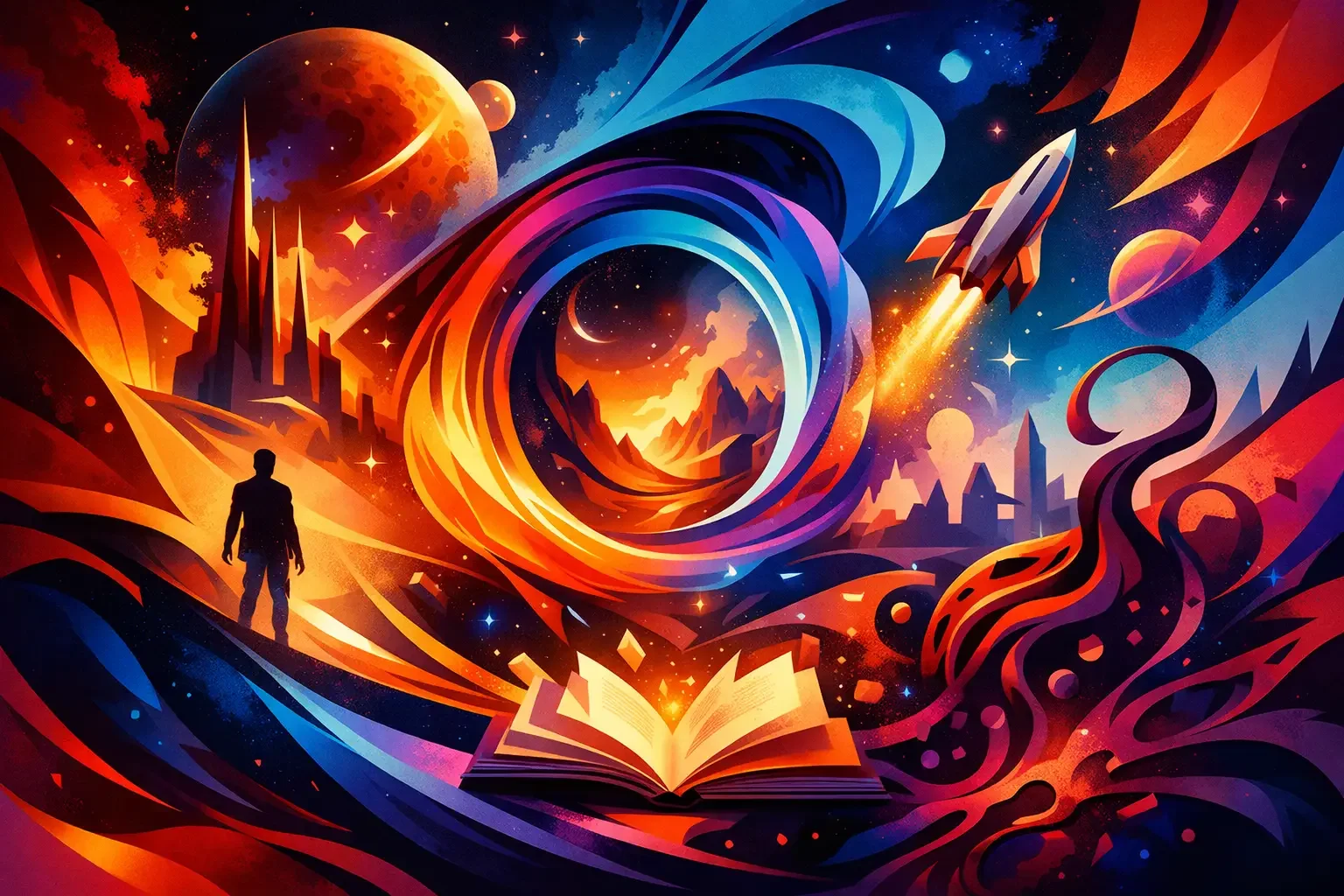
You wake up, make tea, check your phone, and discover the rules of your life were written by a corporation you have never heard of. Or perhaps everyone else has agreed that the sky is green and you are the inconvenient weirdo insisting it was blue yesterday. That delicious itch under the skin is where speculative fiction lives. It takes the world we recognise, nudges one crucial piece out of place, then watches the consequences get very strange indeed.
For readers who enjoy the mind-bending unease of The Matrix, Inception or The Truman Show, the appeal is obvious. Reality is not a stable floor. It is a trapdoor, and someone is reaching for the handle.
Utopian Fiction Versus Dystopia: What Works?
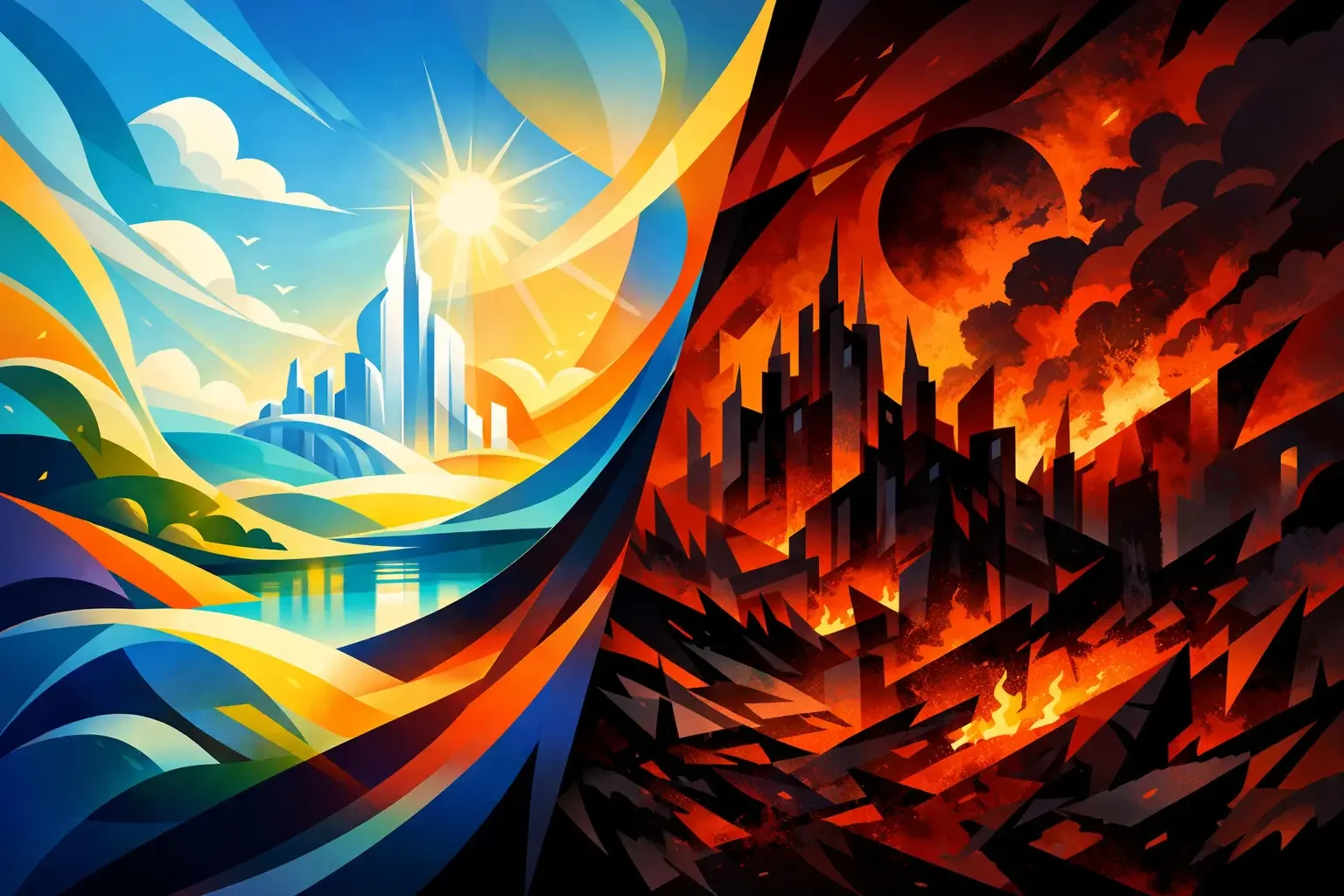
A city with no crime, no loneliness and no awkward group chats sounds lovely for approximately three seconds. Then somebody asks who decides what counts as happiness. That tension is the whole delicious point of utopian fiction versus dystopia: one imagines a better world, while the other asks what was sacrificed to build it.
Readers often treat the two as opposites. Utopia equals sunshine, communal gardens and everyone finally replying to messages on time. Dystopia equals surveillance cameras, corporate slogans and a mandatory smile. But the most memorable speculative fiction lives in the uneasy overlap, where a society’s promise of perfection starts to look rather like a warning label.
A Guide to Speculative Worldbuilding That Bites
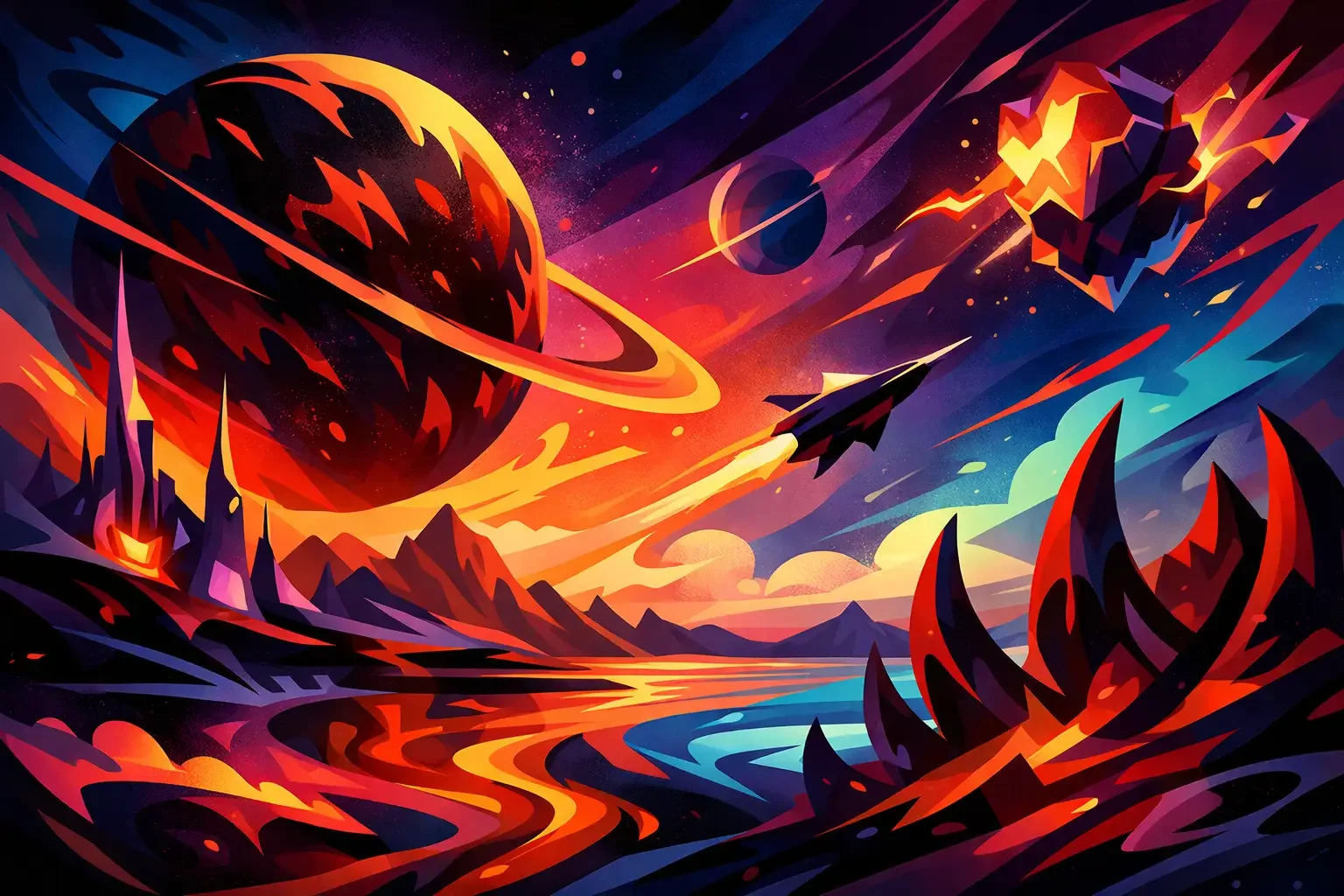
Speculative worlds become baggy when the author begins with everything. Every gadget, nation, social custom and acronym arrives on page one wearing a name badge. Resist. Pick one question that has enough moral static to power the story.
What if the most “perfect” decision could be calculated? What if a corporation could make people happier by removing choice? What if memory became a subscription service? The question should not only change the wallpaper of daily life. It should put pressure on something people already value: love, privacy, grief, ambition, belonging, faith or the right to be gloriously, inconveniently wrong.
A useful test is to finish this sentence: “In this world, people can no longer take ______ for granted.” If the answer is only “flying cars”, you may have a setting. If the answer is “their own memories” or “whether their partner’s affection is real”, you have story fuel.
A Guide to Psychological Suspense That Lingers
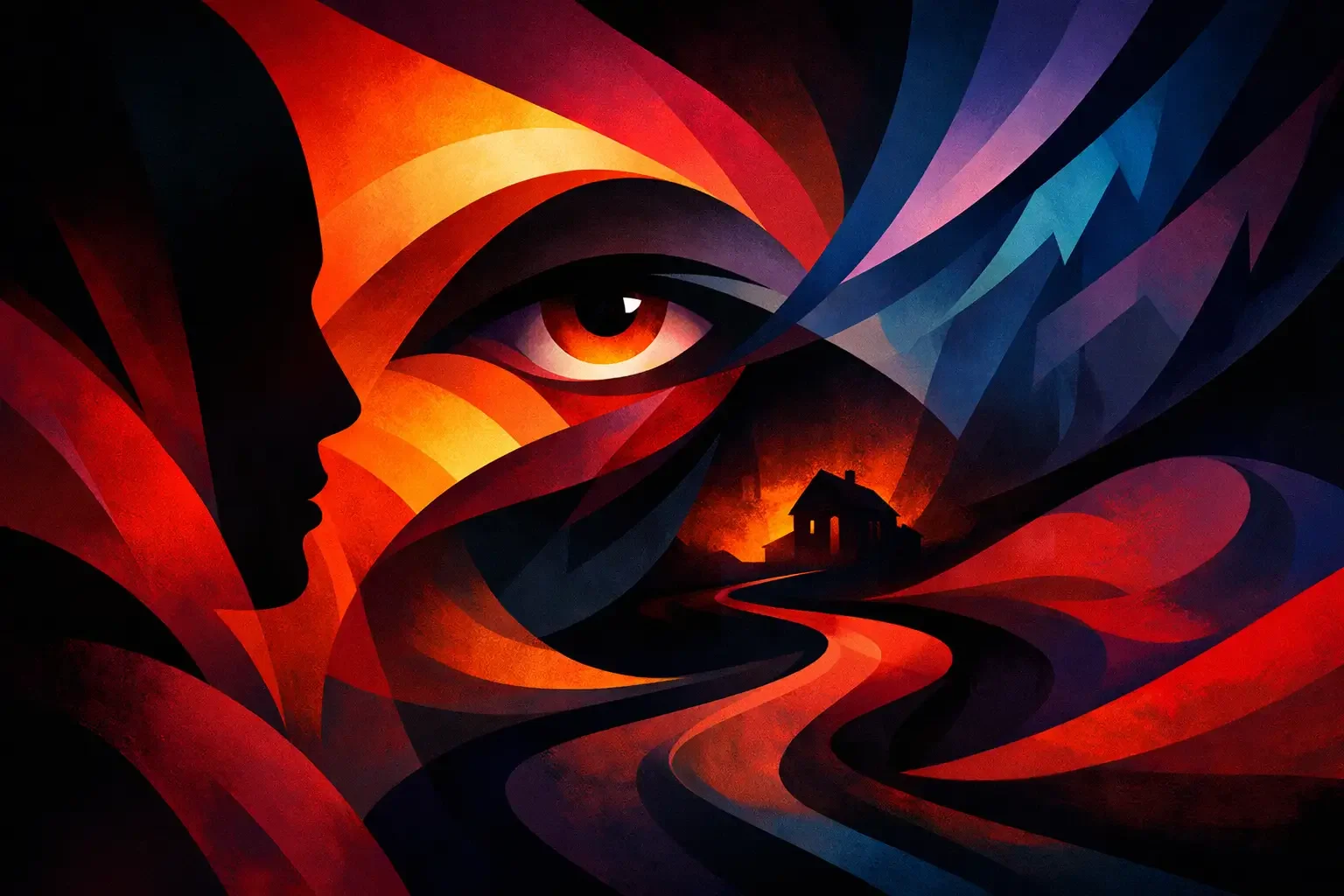
At its core, psychological suspense is fiction that creates danger through perception, pressure and doubt. The reader is not simply asking, “What happens next?” They are asking, “Who is telling the truth?”, “What is being left out?” and, occasionally, “Am I being expertly gaslit by a paperback?”
A conventional thriller often makes the external stakes clear early on. Someone is missing. A crime has happened. Time is running out. Psychological suspense may begin somewhere far more ordinary: a couple move house, an employee receives a strange instruction, an old friend gets back in touch, or a character notices a tiny inconsistency nobody else seems to see. Then the ordinary starts to tilt.
That tilt matters. The best books make familiar places feel faintly hostile. A kitchen becomes a crime scene waiting to happen. A text message gains the emotional weight of a ransom note. A perfectly polite colleague starts to seem like someone who has definitely read your diary.
Guide to Reality-Bending Thrillers That Linger
The best reality-bending thriller does not simply make you ask, “What happened?” It makes you eye the kettle, your inbox and the suspiciously cheerful person at the bus stop as if they might be part of an enormous experiment. This guide to reality-bending thrillers is for readers who like their page-turning tension served with a side of existential dread.
You know the feeling. A character notices one tiny inconsistency. A clock is wrong. A stranger knows too much. A company promises frictionless happiness, which is naturally the loudest possible alarm bell. Before long, the story has pulled the floorboards up beneath your assumptions about identity, free will and what counts as a good life.
How to Choose Speculative Thrillers That Linger
A stranger tells you the life you remember may be a product. A corporation promises to remove human error. Someone makes one apparently perfect decision, then spends 300 pages learning what it cost. If that sends a small, delighted shiver down your spine, you already know how to choose speculative thrillers in spirit. The harder part is avoiding books that offer a clever premise, then leave you alone in a fog of jargon with no emotional stakes.
The best speculative thrillers do not merely ask, ‘What if?’ They ask, ‘What would you do when the answer turns up at your front door?’ They make the familiar feel fractionally wrong, put ordinary people under extraordinary pressure and keep the pages turning while your brain starts an argument with itself.
A Guide to Choosing Book Gifts That Land
The best book gift creates a tiny, glorious moment of recognition: you noticed what I like. The worst says, with the confidence of a supermarket three-for-two, this had a nice cover. This guide to choosing book gifts is here to help you avoid the latter - and become the person whose presents get immediately photographed, posted and raved about.
Buying a book for someone can feel oddly high stakes. Books are personal. They are taste, comfort, escapism, emotional damage and, occasionally, a very specific need for fictional men to make terrible decisions. But you do not need to know their entire StoryGraph history to choose well. You just need a few smart clues.