
10 Examples of Fake Dating Romance Done Right

Fake dating romance.
Why fake dating never stops hitting
At its heart, fake dating gives readers something deliciously unfair: proximity without permission. Two characters who would otherwise keep their feelings under lock and key have to play couple in public. They must learn each other’s coffee order. They must stand too close in family photographs. They may have to share a dance while insisting none of it means anything.
The best versions also have a reason that feels emotionally specific. “We need dates for a wedding” can work, but the arrangement becomes much more compelling when it presses directly on each character’s sore spot: a reputation, a career, a family expectation, an old heartbreak or the terrifying possibility of being seen properly.
10 examples of fake dating romance setups
1. The wedding plus-one emergency
A character receives an invitation to an ex’s wedding and cannot bear the prospect of arriving alone, especially when the ex is marrying someone who once stole their favourite pub quiz team. Enter the reluctant fake date: a flatmate, colleague or longtime friend who agrees to play devoted partner for one very long weekend.
This setup works because weddings are emotional pressure cookers. There are relatives asking intrusive questions, slow dances with suspiciously romantic lighting and at least one tipsy aunt who announces, “I knew you two would end up together.” The key is giving the fake couple a real history to accidentally reveal.
2. The family holiday cover story
One character has spent months telling their family they are seeing someone, perhaps to avoid pity, matchmaking or a lecture about their allegedly chaotic love life. When Christmas, Eid, a milestone birthday or a family holiday arrives, the imaginary partner needs to become alarmingly real.
The fun here is in the rehearsal. What is the fake couple’s meet-cute? Who said “I love you” first? Why does one person know every detail while the other has apparently forgotten the invented dog? Family-centred fake dating can be especially tender when it exposes the difference between performing happiness and feeling safe with somebody.
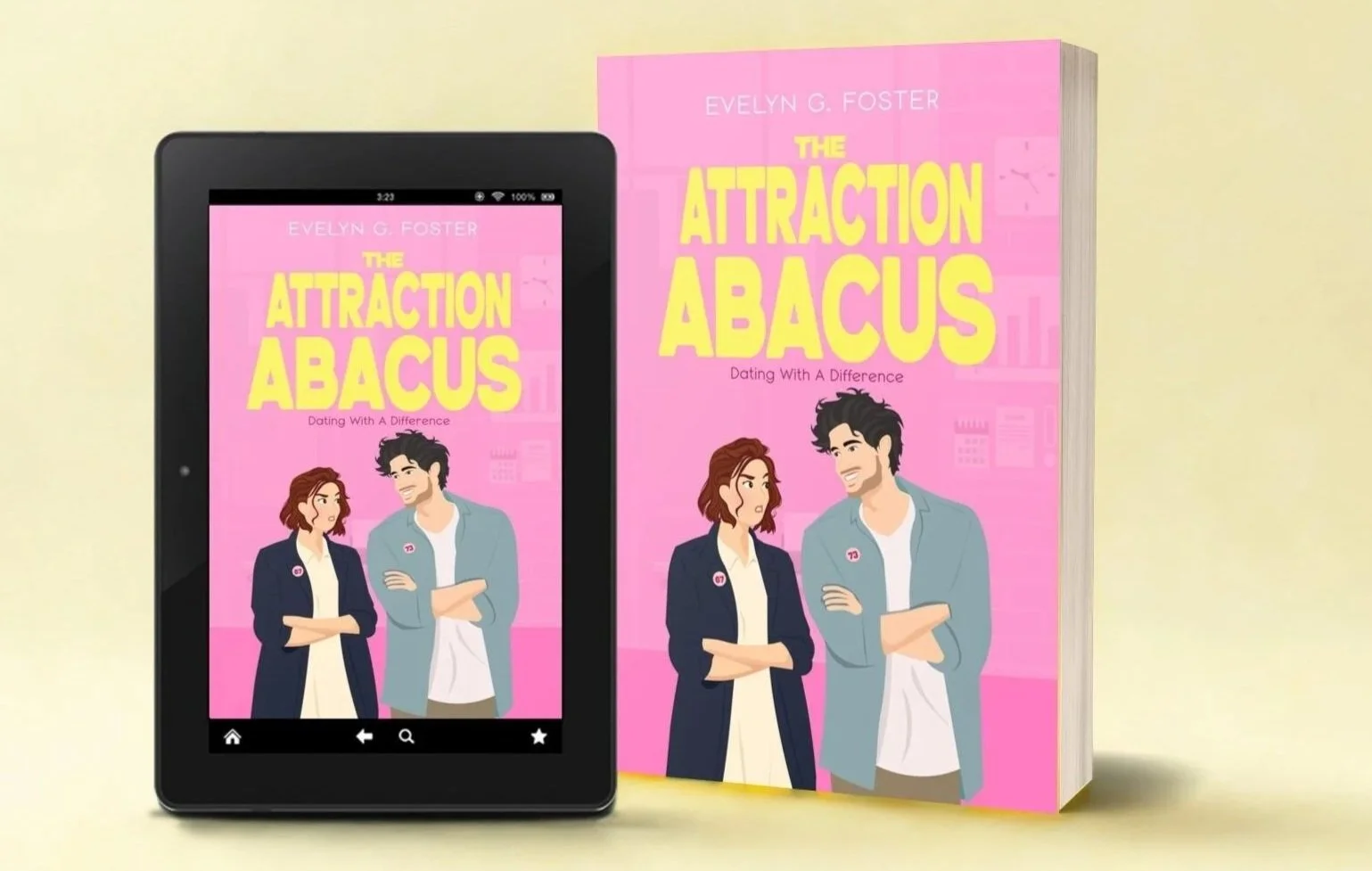
Ad: The Attraction Abacus. Fake dating with a difference! Luke asks Evelyn to attend fake dates to boost the Attraction Abacus dating agency numbers and collect notes afterwards. They don’t see things the same way (at first!)
3. The celebrity image reset
A musician, actor or public figure needs a respectable date after a messy breakup becomes tabloid fodder. Their fake partner may be a normal person with no interest in fame, which is exactly why the arrangement gets under their skin.
This version offers red carpets, staged paparazzi shots and the exhausting unreality of being watched. It can also carry real stakes. The public figure may be used to people wanting access, while the other character hates being treated like a prop. For the romance to land, the private moments have to feel more intimate than the glamorous ones.
4. The office power-couple pretence
Two colleagues pretend to date for a work event, a pitch or to calm rumours that one of them is receiving preferential treatment. Naturally, this is a terrible idea if they are already competitive, professionally cautious or one promotion away from a full-blown argument in the stationery cupboard.
Workplace fake dating has built-in friction, but it needs a careful hand. The power dynamic should be fair, and neither character should be pressured into risking their job for a romantic game. Get that right, though, and there is nothing quite like having to call your nemesis “darling” in front of the board.
5. The mutual-benefit bargain
This is the cleanest fake dating contract: each person gets something. One needs to impress a difficult client; the other wants an invite to an exclusive event. One needs help persuading a landlord they are stable; the other wants their meddling ex to move on. They draw up rules, because fictional characters have apparently never met a rule they could not dramatically break.
The emotional hook comes from the bargain becoming lopsided. One character starts receiving more than they expected: affection, belonging or a glimpse of the life they assumed was not for them. The original deal matters less and less, until ending it feels like a breakup neither of them is allowed to name.
6. The friends-to-fake-lovers experiment
Best friends often make the most convincing fake couples because they already know how to look after each other. They share jokes, steal chips and know exactly which social situation makes the other want to leave early. Everyone else has probably assumed they were dating for years.
That familiarity makes the shift more dangerous. A staged kiss can make one friend realise they have been quietly in love for ages. A casual cuddle can feel different when it has an audience. This is fake dating for readers who want warmth, yearning and the specific agony of thinking, “If I tell the truth, I could lose my favourite person.”
7. The rivalry rebrand
Two people with a very public feud suddenly pretend to be together to stop a scandal, promote a joint project or make their competing families behave. They may be chefs, athletes, authors, local politicians or rival business owners. Whatever the setting, they have excellent banter and an unfortunate ability to notice one another’s mouths mid-argument.
The trick is letting the rivalry have substance. They should disagree over something real, not merely exchange insults because the plot requires sparkle. Their fake relationship then forces them to see the values underneath the friction, which is where the enemies-to-lovers magic begins doing its extremely efficient work.
8. The reunion revenge date
A school reunion or university reunion invites the most petty, relatable impulse imaginable: showing up looking brilliant beside someone gorgeous and apparently besotted. The fake date may be a sibling’s friend, an old crush or the person who remembers every embarrassing detail from 2009.
This setup thrives on contrast. The protagonist thinks they need a polished new life to prove they have changed, while their fake partner sees the person beneath the performance. It can be funny, but it also makes room for a lovely question: who are you when you stop auditioning for people who never truly knew you?
9. The small-town rumour mill
In a village or close-knit community, dating news travels faster than a kettle boiling. A fake relationship can begin as protection from gossip, a way to secure a business deal or an attempt to reassure a beloved grandparent. Then the local community starts treating the relationship as a fact, complete with congratulatory cards and unsolicited advice.
Small-town fake dating works best when the setting is more than a cute backdrop. The couple should have genuine ties to the place, and the social pressure should reveal something about why they are afraid to be honest. Bonus points for a nosy neighbour who spots the feelings before either lead does.
10. The fake engagement with an expiry date
If fake dating is high stakes, fake engagement is its slightly unhinged older sibling. Perhaps an inheritance, family business or housing arrangement depends on it. Perhaps the couple needs to make a convincing case quickly. Either way, there is suddenly a ring, a wedding date nobody intends to keep and an alarming number of people asking about flowers.
This trope needs consequences, because pretending to be engaged is not a tiny white lie. But when the story honours that mess, the payoff can be glorious. Nothing says emotional jeopardy quite like choosing a wedding cake while trying not to wonder whether you would say yes for real.
What makes a fake relationship feel real to readers?
The lie is only the launchpad. A memorable fake dating romance gives both characters something to lose if the pretence ends, then lets their connection grow through small acts rather than grand speeches alone. Maybe he remembers that she hates being touched unexpectedly. Maybe she steps between him and a family member who knows exactly where to aim a cruel remark. Maybe they stop performing when nobody is watching.
Chemistry matters, obviously. But emotional logic matters more. If the only reason they cannot admit their feelings is a conversation they could have had in chapter three, readers will notice. The strongest stories make honesty genuinely difficult while still allowing the characters to choose it eventually.
And, crucially, fake dating does not require maximum spice to deliver maximum tension. A hand at the small of the back, a shared bed with a very firm pillow boundary, or a pretend goodnight kiss that goes one second too long can create enough electricity to power a BookTok comment section.
So, choose your flavour: soft friends-to-lovers longing, sharp workplace banter, family-event farce or celebrity-level public scrutiny. The best fake relationship is never really about fooling everyone else. It is about two people discovering that the version of themselves they perform together might be the truest one yet.
