
A Guide to Romance Trope Combinations
Romance tropes in novels
Some romance books give you one trope and do it well. Lovely. Others stack two or three together and suddenly the whole thing has the energy of a group chat going feral at 11.47 pm. That is exactly why a guide to romance trope combinations matters. The right pairing does not just make a book more marketable - it changes the rhythm, the tension, and the kind of emotional damage readers will happily sign up for.
If you read romance with one eye on the blurb and the other on the trope tags, you already know this instinctively. Fake dating hits differently when it is paired with enemies to lovers. Only one bed becomes a completely different beast when the couple are best friends pretending not to notice the obvious. Tropes are not random stickers slapped on a cover. They create pressure, and pressure is where the fun lives.
Why trope combinations work so well
A single trope usually promises one core experience. Friends to lovers gives you longing, comfort and the terrifying possibility of ruining everything. Forced proximity gives you closeness and friction. Marriage of convenience gives you commitment before emotional readiness, which is catnip for anyone who enjoys a slow emotional spiral.
Combine them, though, and you get layers. One trope can generate the plot while the other sharpens the emotional stakes. That is often why certain books feel richer and more bingeable. You are not just waiting for one thing to happen. You are watching several tensions collide at once.
This is also why some combinations feel instantly clickable on BookTok or Bookstagram. Readers are not only asking, what happens here? They are asking, how chaotic is this setup going to get, and will it hurt in a satisfying way?
A guide to romance trope combinations that actually deliver
Not all pairings are created equal. Some are natural soulmates. Others can work, but they need a steadier hand. The trick is understanding what each trope contributes.
Fake dating and enemies to lovers
This is the overachiever of modern romance. Fake dating supplies proximity, public performance and plenty of reasons to notice each other too closely. Enemies to lovers adds friction, banter and the sense that every touch comes with an argument attached.
Why it works is simple. Fake dating forces cooperation. Enemies to lovers resists it. That push-pull creates sparkling scenes because the characters have to act convincingly into the world while privately wanting to throttle one another. Or snog one another. Usually both.
The trade-off is that the enmity has to be believable without making one lead irredeemable. If the conflict is too harsh, the fake dating setup starts to feel less delicious and more like an HR incident.
Friends to lovers and only one bed
This one is almost unfairly effective. Friends to lovers already runs on suppressed feeling and emotional familiarity. Add only one bed and you force those feelings into the physical space where nobody can pretend they do not exist.
The appeal here is less about shock and more about revelation. These characters already know each other’s habits, weak spots and emotional history. So when accidental closeness enters the chat, it lands harder. A stranger in the same bed is tension. A best friend in the same bed is a full internal crisis.
Used badly, it can feel too convenient. Used well, it is exquisite because the external situation is small but the emotional consequences are enormous.
Grumpy sunshine and forced proximity
If you like your romances with maximum contrast and a strong chance of one character sighing deeply while the other cheerfully ruins their day, here you are. Grumpy sunshine gives the emotional polarity. Forced proximity stops either of them from escaping it.
This pairing works because personality difference needs time on the page. The grump has to be exposed to the sunshine character long enough for the armour to crack. Meanwhile, the sunshine character needs enough depth to feel like a person rather than a human glitter bomb.
That is the key with this combination. Sunshine should not mean shallow. Grumpy should not mean rude for 300 pages. Readers will forgive a lot for chemistry, but not laziness.
Second chance and marriage of convenience
Quietly elite. This combination is perfect if you like emotional history with a side order of legally binding nonsense. Second chance brings regret, nostalgia and unresolved feelings. Marriage of convenience adds immediacy and practical stakes.
Put them together and you get characters who already know exactly how dangerous the other person is to their peace. They cannot hide behind first impressions because the baggage is already unpacked and sitting in the room with them.
This pairing is strongest when the past breakup genuinely matters. If the original split was flimsy, the reunion can feel manufactured. But if the history is textured and painful, the convenience marriage becomes the perfect pressure cooker.
Workplace romance and rivals to lovers
This pairing has serious rom-com range. Workplace romance naturally creates repeated interaction, shared goals and the chance for tiny loaded moments over coffee, meetings and passive-aggressive emails. Rivals to lovers adds ambition, competitiveness and the thrill of mutual obsession disguised as professional annoyance.
The best version of this combo understands that rivalry is flirtation in a sharp blazer. The characters notice each other because they are measuring each other. Every win stings. Every loss stings more. And all that focus starts to look suspiciously like yearning.
The danger is imbalance. If one character holds too much power over the other, the dynamic can wobble. Readers want tension, not a lecture on dodgy office ethics.
How to build better romance trope combinations
If you are choosing your next read, or writing your own, the smartest question is not which tropes are popular. It is what emotional experience you want.
Do you want delicious yearning? Start with friends to lovers, second chance or unrequited love, then pair them with a trope that forces contact. Do you want banter and sparks? Enemies to lovers, rivals to lovers or grumpy sunshine often work best with setups that require cooperation. Do you want tenderness with a lot of emotional payoff? Try fake marriage with friends to lovers, or forced proximity with hurt comfort.
This is where trope stacking can go very right or very wrong. More is not always more. If you throw five huge tropes into one plot, you can end up with a book that sounds excellent in a caption and oddly thin on the page. A strong combination usually has one trope doing the structural heavy lifting and another deepening the emotional stakes.
That is why fake dating plus secret baby can feel chaotic in a not-always-good way, while fake dating plus enemies to lovers feels clean and focused. One creates a clear line of tension. The other can start fighting itself unless handled with care.
The underrated combinations worth more hype
Some trope pairings get all the fan edits, while others deserve a bit more noise.
Best friends to lovers with second chance is horribly effective if you enjoy pining, history and the sense that one conversation could alter the emotional climate of the entire book. Opposites attract with forced proximity is another winner, especially in low-spice or closed-door romance, because it lets chemistry build through character rather than explicit scenes.
Then there is accidental roommates with grumpy sunshine, which can be deeply funny if the domestic details are sharp enough. Nothing reveals romantic compatibility quite like discovering who replaces the loo roll and who absolutely does not.
For readers who like contemporary stories that feel current rather than costume-drama dramatic, these combinations often hit the sweet spot. They create enough premise to feel juicy, but still leave room for believable emotional development.
What readers should watch for
A good trope combination should feel like a promise fulfilled, not a marketing checklist. If the blurb is shouting six tropes at you, it is fair to wonder whether the book is actually building those dynamics or just name-dropping them.
Look for combinations where the tropes naturally interact. Fake dating should change how enemies behave. Forced proximity should intensify grumpy sunshine. Second chance should complicate marriage of convenience. If the tropes could be removed without changing much, they are probably decorative rather than essential.
This is one reason contemporary romance readers are so trope-literate now. We are not only spotting the ingredients. We are judging whether the recipe makes sense.
And honestly, that is half the fun. There is a particular joy in finding a book that understands exactly what readers mean when they ask for low-spice tension, elite banter, strong payoff and a trope setup that does not feel assembled by committee. It is the difference between a nice idea and a book you immediately want to text to a friend.
The best guide to romance trope combinations is really just this: pick the emotional chaos you want, then choose the tropes that sharpen it rather than dilute it. When a pairing clicks, it does not feel clever for the sake of it. It feels inevitable, slightly addictive, and very hard to stop reading. Which, if we are being honest, is the whole point.
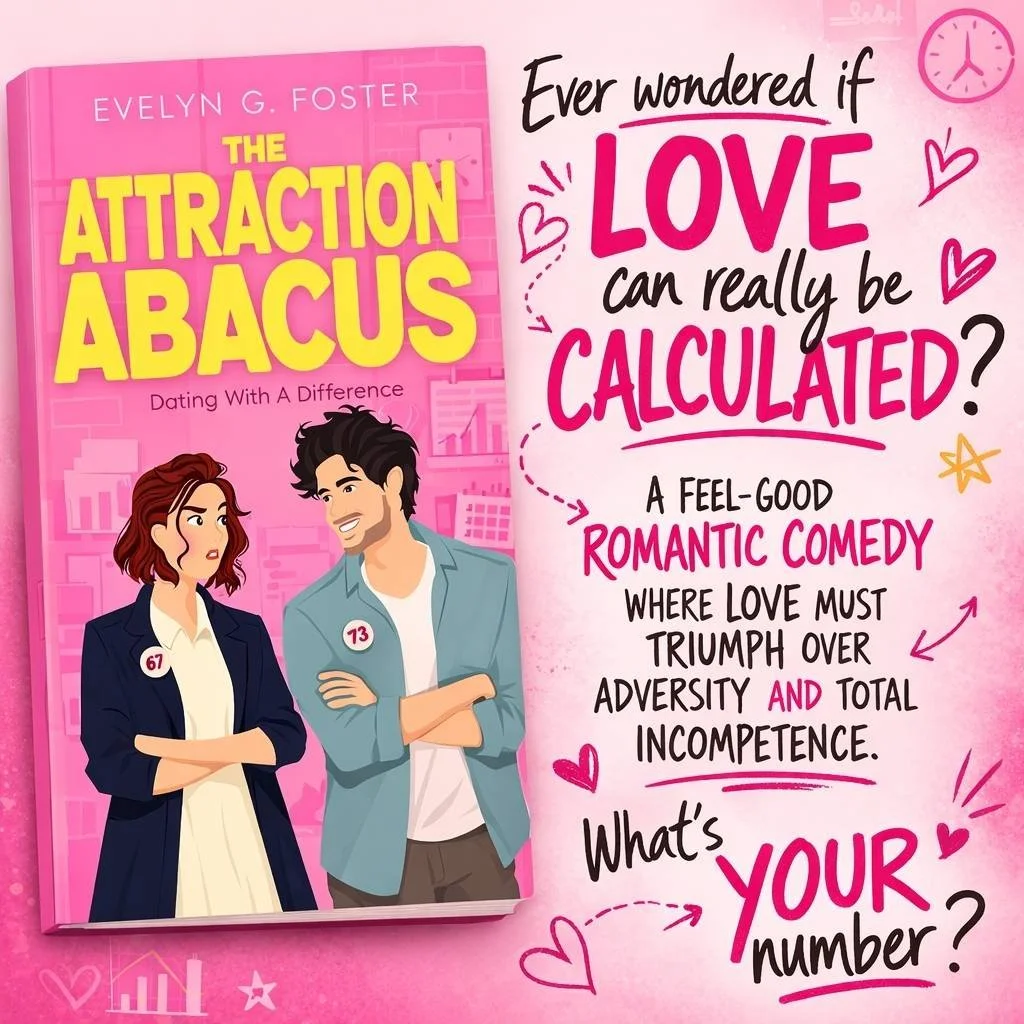
Ad: The Attraction Abacus combines fake-dating, enemies to lovers and workplace romance tropes.
