
Why Modern Swiping Romance Hits So Hard Now

Modern swiping romance
One minute, they are exchanging voice notes about their worst first dates. The next, one of them has vanished into the digital ether with the chilling finality of an unread WhatsApp. Modern swiping romance understands that the route to true love may now involve a cracked phone screen, an accidentally liked photo from 2017 and a suspiciously vague bio that says, “Just seeing what’s out there.”
That is precisely why it works. Dating apps have given romance fiction a fresh source of tension, comedy and emotional chaos. The grand ballroom has become the pub garden. The missed letter has become a message left on read. And the question is no longer simply, “Will they?” It is, “Will either of them stop catastrophising long enough to meet for an actual coffee?”
Modern Swiping Romance Makes the Mess the Plot
Classic rom-coms have always understood that love needs obstacles. In contemporary dating fiction, those obstacles arrive pre-installed. An algorithm offers endless apparent options, which sounds liberating until everyone has choice paralysis and a folder of dating-app screenshots for the group chat.
Swiping changes the emotional weather of a romance. People can meet quickly, but certainty takes longer. A promising match might be three messages away from a lovely date, or three messages away from revealing they are “not really a texter” despite having replied to you at 2.14am for a fortnight. This uncertainty gives writers plenty to play with, but it also reflects a recognisable modern vulnerability: wanting connection while trying not to look too keen.
That balance is catnip for readers because it is funny until it is painfully accurate. The best stories do not mock people for wanting love. They laugh at the absurd systems surrounding it - profile prompts, soft launches, the tyranny of choosing the perfect opening line - while taking the feelings underneath seriously.
The meet-cute did not disappear. It got a software update.
There is a lazy idea that apps have killed romance. They have not. They have merely made the meet-cute more complicated. A match can lead to a first date at a bookshop, a shared joke that becomes a private language, or the exquisite horror of discovering your date knows your ex from university.
The romance still depends on chemistry, timing and vulnerability. The app is just the doorbell. What matters is who answers it, and whether they have the emotional availability to come in.
Why Readers Recognise Themselves in It
Modern dating can feel weirdly public and intensely private at the same time. Your friends may have seen every profile photo, analysed every message and issued a formal statement on whether the person who suggested “a walk” deserves another chance. Yet the sting of rejection, or the tiny thrill of a goodnight text, still belongs to you.
Romance novels turn that push-pull into something contained and satisfying. A reader can enjoy the awkward date, the mixed signal and the spectacularly ill-advised situationship without having to open an app themselves. There is comfort in watching fictional people make decisions that make you want to gently confiscate their phones.
There is also relief in a story that says modern dating is not difficult because you are doing it wrong. It is difficult because people are people, and technology has given us more ways to overthink them. A great rom-com lets its characters be imperfect without making them impossible to root for. They may misread a message, avoid an honest conversation or convince themselves that a wink emoji is a legally binding declaration of love. But they can learn.
That learning matters. Readers do not only want the kiss. They want the emotional click before it: the moment a character chooses honesty over strategy, or realises being adored is not the same thing as being known.
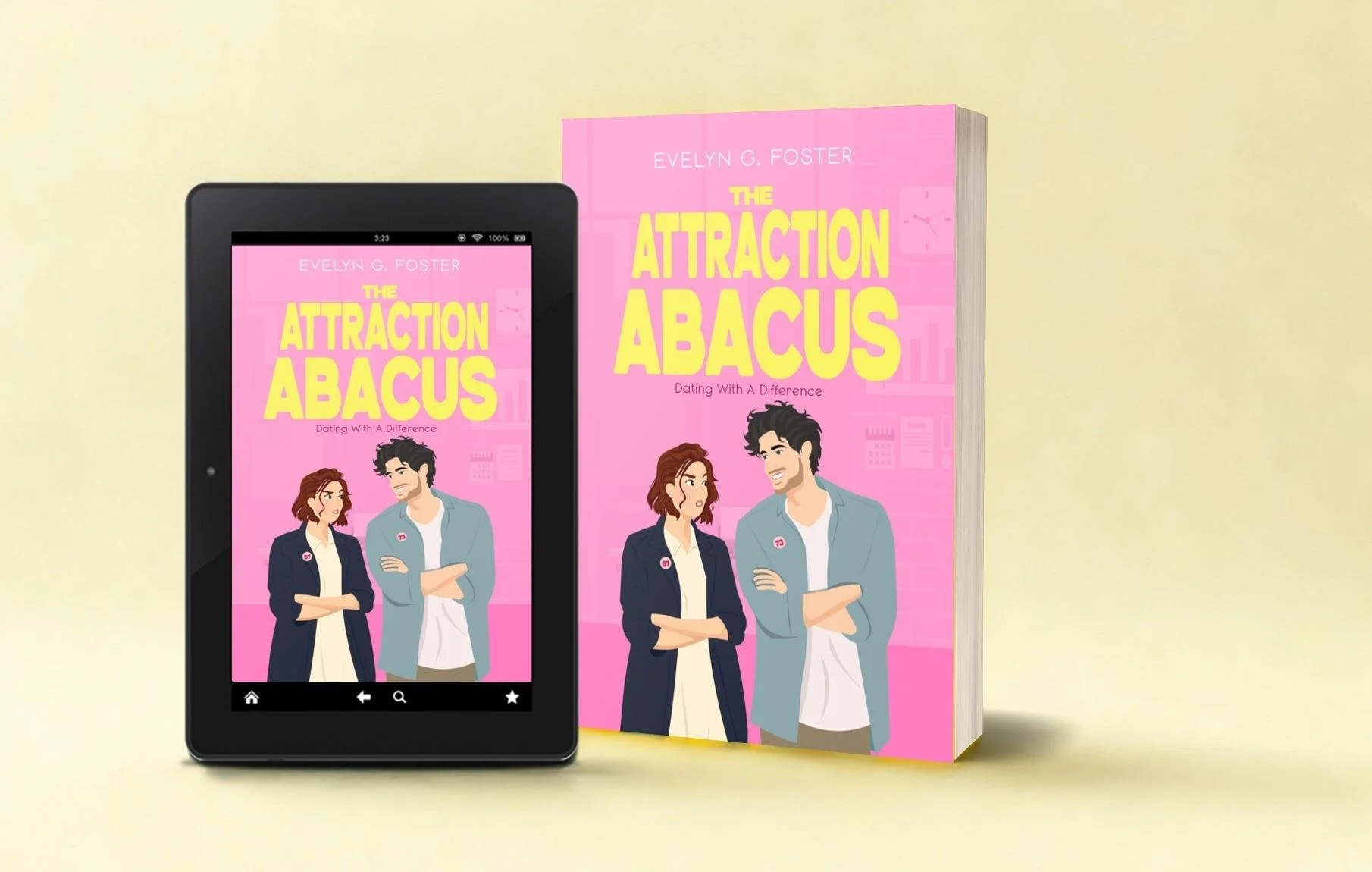
Ad: The Attraction Abacus. A smart satire of dating apps with feel-good rom-com energy.
The New Fantasy Is Emotional Clarity
Forget a billionaire helicopter. One of the hottest fantasies in contemporary romance is a person who communicates properly.
That does not mean every book needs to become a relationship workshop with better outfits. Friction is still fun. Banter should still occasionally go off the rails. But there is a growing appetite for love interests who are kind, self-aware and capable of saying what they mean before chapter 29.
This is where low-spice and no-spice romance can shine particularly brightly. When the physical heat is dialled down, the emotional build has nowhere to hide. A hand brush across a table, a thoughtful voice note or an “I got you the tea you like” can carry the voltage of a fireworks display. For readers who want yearning, humour and a proper emotional payoff without explicit scenes, that is not less romance. It is a different flavour of it.
Of course, heat level is personal taste, not a moral scoreboard. Some readers want high spice, some want closed-door intimacy, and some want a kiss so well earned they need to put the book down and stare at the wall for a bit. The useful thing is clarity. Readers deserve to know the vibe before they commit, much like they deserve to know whether a fictional hero owns a boat for a normal reason or a red-flag reason.
Dating Apps Give Rom-Coms Better Stakes
The most interesting swiping romances do not treat apps as villains. Apps are tools, and tools inherit the messiness of the people using them. They can connect people who would never otherwise cross paths. They can also encourage the tempting belief that there is always someone more compatible one swipe away.
That tension creates excellent stakes. A character might be frightened to commit because abundance has made commitment feel like closing a door. Another might feel invisible in a system designed to sort people in seconds. Someone else may build a carefully polished online version of themselves, then panic when the real-life date requires them to be a whole person, complete with nerves, bad jokes and a tendency to order chips for the table.
These conflicts are contemporary, but the feelings are ancient: fear of rejection, fear of being seen, hope that this time might be different. That is why the trope has legs. Beneath the notifications, it is still about two people trying to decide whether the risk of being known is worth it.
What Makes a Swiping Romance Worth Your TBR
Not every romance featuring an app feels current. The app cannot just be a shiny prop added to a familiar plot. The best ones understand the small social rules readers already know by heart: the post-date debrief, the “three days is too long to reply” spiral, the mutual unfollow that means more than it should and the alarming intimacy of sharing your location.
They also give their characters lives outside the search for a match. Friends, work, family, ambitions and bad habits make the romance feel bigger than a sequence of dates. Love lands harder when it changes an already vivid life rather than magically supplying one.
Look for stories with a sharp sense of humour but no contempt for their characters. Look for chemistry that exists beyond a clever chat exchange. Most of all, look for an ending that feels earned. A grand gesture can be glorious, but it means more when it is backed by actual growth and a clear choice to show up.
That is part of the appeal of a book like The Attraction Abacus: it knows attraction can be analysed, debated and thoroughly overcomplicated, but never fully controlled. The heart remains gloriously bad at spreadsheets.
Romance Still Wants You to Believe
Modern swiping romance is not asking readers to pretend dating apps are perfect. It knows the apps can be exhausting, hilarious, hopeful and occasionally enough to make you consider living alone with a cat and a superior reading list. It also knows that people keep trying because connection is worth the awkward first message.
So, the next time a fictional match sends a suspiciously charming opener, let yourself enjoy the suspense. Keep standards high, keep the group chat informed, and save room on your TBR for love stories where the algorithm may start the conversation, but the characters do the brave bit themselves.
