
A Guide to Unreliable Narrators in Fiction

Unreliable Narrators in Fiction
A narrator tells you their version of events. That does not mean they are telling you the truth, the whole truth, or anything remotely adjacent to it. This guide to unreliable narrators is for readers who love that delicious moment when a story tilts sideways and you realise the person holding the literary microphone may be the problem.
An unreliable narrator can turn a mystery into a mind game, a romance into a warning sign, or a speculative thriller into a full-scale reality crisis. Think less “here is what happened” and more “here is what I would very much like you to believe happened”. For readers who enjoy a plot that makes them immediately want to reread chapter one with narrowed eyes, this is the good stuff.
What is an unreliable narrator?
An unreliable narrator is a storyteller whose account cannot be accepted at face value. They may lie deliberately, misunderstand what is happening, remember imperfectly, hide key information, or see the world through a bias so powerful it colours every sentence.
The important bit is that unreliability is not simply a character being mistaken once. Everyone forgets an appointment or misreads a text message. An unreliable narrator creates a meaningful gap between the version of reality on the page and the reality the reader gradually pieces together.
That gap is where the fun lives. The author makes you a participant rather than a passenger. You are not just following the story. You are assessing evidence, clocking odd phrasing, and wondering why someone has spent three pages insisting they are definitely not jealous.
A guide to unreliable narrators: the main types
Not every unreliable narrator is a moustache-twirling liar. In fact, the best ones often feel painfully human. They may be protecting themselves, avoiding shame, making sense of trauma, or trying to look better in their own internal monologue. Relatable? Unfortunately, yes.
The deliberate liar
This narrator knows the truth and actively conceals it. They may omit a crucial action, invent an alibi, or present themselves as much kinder than their behaviour suggests. The pleasure here is in the cat-and-mouse tension: what are they hiding, and how long can they keep the performance going?
A deliberate liar works best when their lies have a purpose beyond a last-minute gotcha. Perhaps they fear punishment. Perhaps they want your sympathy. Perhaps they are trying to seduce you into taking their side. The latter is particularly potent in psychological thrillers, where a charming voice can have readers defending a person they would avoid at a party.
The mistaken narrator
Sometimes the narrator is sincere but wrong. Their memories may be incomplete, their knowledge limited, or their assumptions spectacularly off-base. This kind of unreliability can be quietly devastating because it asks readers to sit with a familiar truth: we all build stories about other people from partial information.
It also suits speculative fiction brilliantly. If the world itself is engineered, manipulated or not quite what it seems, a narrator can report their reality honestly while the reader senses the rules are deeply suspicious. Think of the creeping unease of The Truman Show or The Matrix: the real question is not only what is true, but who benefits from keeping the truth out of reach.
The biased narrator
A biased narrator does not need to lie outright. They merely frame everything in a way that favours their worldview. Their ex is “crazy”. Their colleague is “trying too hard”. Their own questionable decision is, naturally, a noble act of self-preservation.
This type is catnip in contemporary fiction and relationship stories because dating is already a battlefield of competing perspectives. A narrator might genuinely believe they are being chilled and emotionally mature while sending three paragraphs of passive-aggressive voice notes. The reader can spot the disconnect before the character can, which makes for comedy, tension, and occasionally the urge to shout at the book.
The fragmented narrator
Some narrators cannot give a stable account because their memory, perception or identity is fractured. This can arise from illness, grief, sleep deprivation, trauma, substance use, or an environment designed to destabilise them. Handled well, this is not a cheap “gotcha” about mental health. It is a way to make the reader experience uncertainty alongside the character.
The trade-off is delicate. If every contradiction exists only to trick the audience, readers may feel played rather than challenged. The emotional logic must hold. Even when the facts shift, the narrator's fear, longing or desperation should feel real.
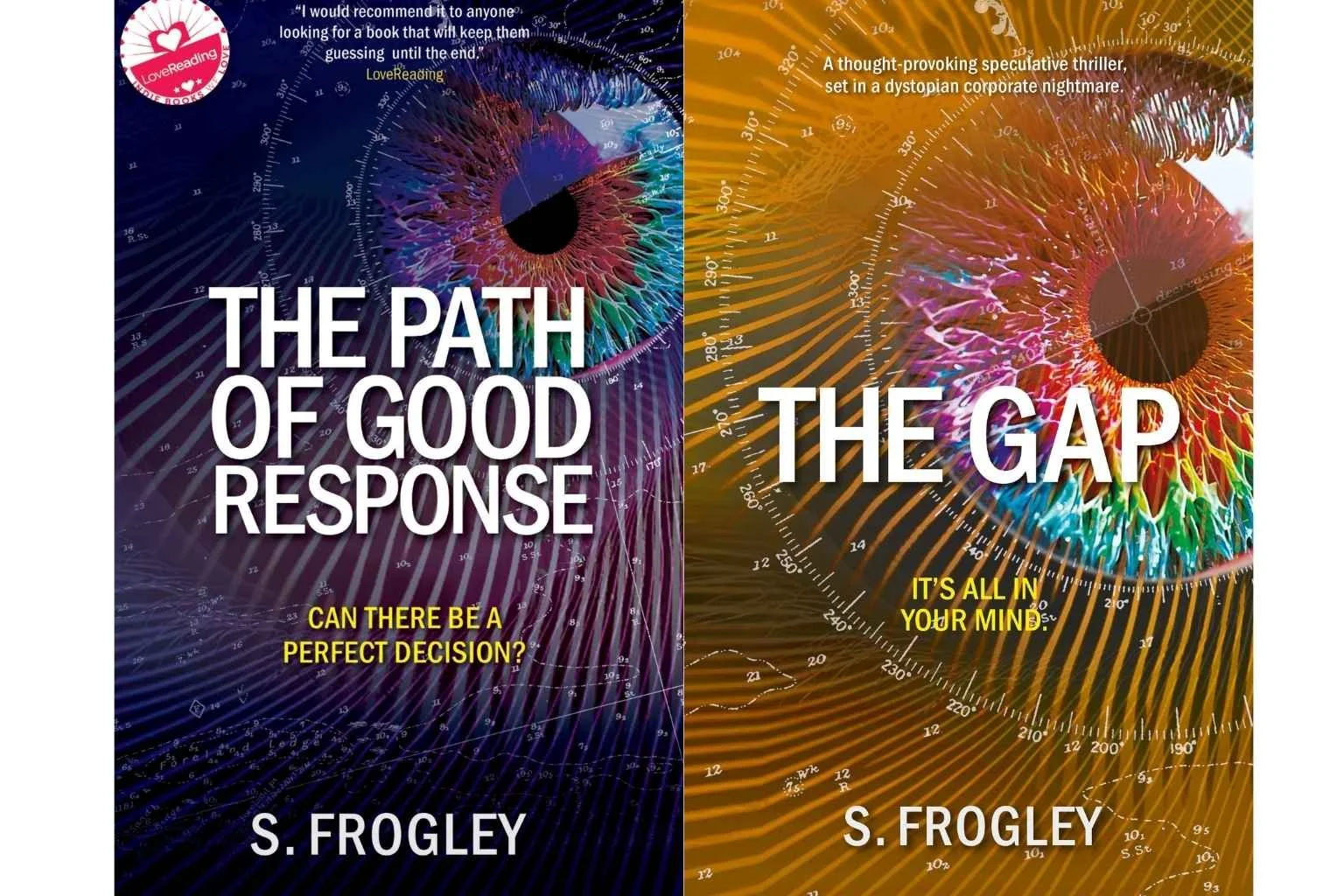
Ad: Is Lana Carter mistaken or fragmented in The Gap?
How authors let you know something is off
Great unreliable narration rarely arrives with a flashing sign saying TRUST NO ONE. Instead, it leaves breadcrumbs. You might notice that a narrator avoids answering a simple question, describes other people with oddly sweeping certainty, or keeps returning to a detail they claim does not matter.
Contradictions are the classic clue, but they need not be obvious. A character might say they never visited a particular place, then later know exactly how its hallway smells. They may remember everyone else's cruel remarks word for word but become hazy around their own conduct. That is not necessarily a plot hole. It may be the author quietly raising one eyebrow.
Pay attention to language, too. Over-explaining can be a red flag. So can the repeated insistence that someone is honest, rational, calm or “not like other people”. Fictional people who announce their reliability with that much enthusiasm are often about to make the case against themselves.
Then there is absence. What does the narrator refuse to name? Which scene is skipped over? Whose perspective is missing? In a multiple-narrator novel, the friction between accounts can become the whole engine of the plot. One person's grand romance is another person's deeply concerning situationship. Both may be telling the truth as they see it. That does not make either version complete.
Why we love being fooled by fiction
There is a peculiar readerly joy in realising you have been misled fairly. The word fairly matters. A strong twist does not depend on information being randomly withheld until page 300. It makes earlier scenes richer in retrospect. Once the reveal lands, you can see the architecture that was there all along.
Unreliable narrators also create intimacy. We spend so much time inside their heads that their assumptions can become ours. When the book pulls that rug, we are forced to examine not just the character's blind spot but our own willingness to trust a compelling voice.
That is why this device lands beyond crime fiction. In a rom-com, unreliability can expose the difference between the story someone tells themselves about being “fine alone” and the feelings they have spent 250 pages aggressively ignoring. In literary fiction, it can reveal self-deception and social performance. In a corporate dystopia, it can show how easily a polished institution turns control into care and calls it progress.
When unreliable narration goes wrong
Not every surprise is clever. If a story relies on the narrator hiding information they would naturally think about, readers can feel cheated. First-person narration is not a legal loophole allowing a character to avoid having thoughts until the author needs a twist.
The device can also become repetitive. If every character is lying, every memory is false, and every final chapter reveals another secret basement of reality, the stakes may start to float away. Uncertainty only works when the story gives us something solid to care about: a relationship, a moral choice, a real emotional consequence.
For some readers, the key question is not “Was I fooled?” but “Was it worth it?” The best unreliable narrators offer more than a twist. They make the novel's themes sharper. They reveal why people reshape truth, what power looks like from the inside, and how badly we want a neat story when life is being gloriously inconvenient.
Read with suspicion, not cynicism
The next time a narrator seems a little too polished, too persecuted, or weirdly determined to explain why that missing Tuesday is irrelevant, enjoy the feeling. You do not need to solve the book in chapter two to read it well. Let the story earn your trust, then watch what it does with it.
The most memorable unreliable narrators do not merely fool us. They make us complicit in the fooling, then leave us turning the final page with one thought: oh. Oh no. Let us go back to the beginning.
