
The Path of Good Response: Science Fiction or Science Fact?
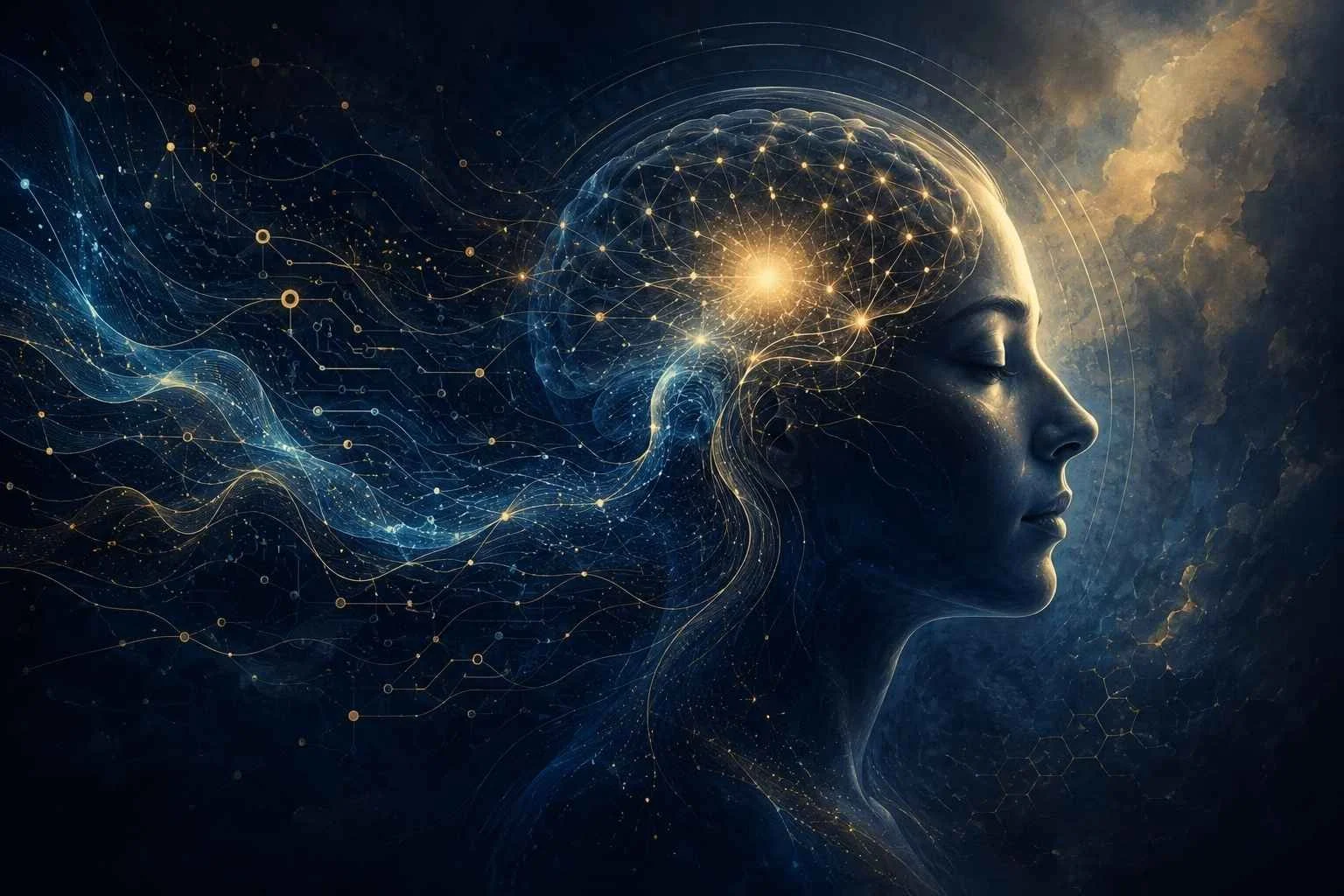
Could brain implants and AI one day help humans make better decisions?
In 1968, Arthur C. Clarke imagined a sentient computer capable of reasoning alongside astronauts. At the time it seemed fantastical; today artificial intelligence is woven into everyday life. History repeatedly demonstrates that science fiction often becomes science fact, and nowhere is that transition more evident than in neuroscience. Brain-computer interfaces, adaptive deep brain stimulation and AI-assisted neural decoding are steadily changing what is possible.
This article explores the central question behind the novel The Path of Good Response: could technology one day help human beings recognise maladaptive patterns of thought before they become destructive actions? The premise is not that machines should replace conscience or free will, but that future neural interfaces, in the novel called the “conductor”, may one day recognise dysfunctional neural circuits associated with addiction, compulsive behaviour or impaired decision-making and gently help restore healthier patterns.
What is currently possible
Modern medicine already provides important foundations. Deep Brain Stimulation has transformed treatment for Parkinson's disease and is being investigated for epilepsy, obsessive-compulsive disorder, depression and addiction. New adaptive systems monitor neural activity and adjust stimulation in real time, demonstrating that implants can increasingly respond to the brain rather than merely stimulate it. Artificial intelligence is simultaneously improving our ability to detect subtle patterns in enormous datasets, including neural recordings.
Ethical considerations
The greatest challenge, however, is unlikely to be engineering. It is ethics. Who decides which behaviours should be modified? Where is the line between treatment and enhancement? How do we preserve cognitive liberty while using technology to alleviate suffering? These questions move beyond neuroscience into philosophy, law and public policy. The Path of Good Response imagines a future in which these technologies have matured. Its fictional implant does not remove freedom or dictate morality. Instead, it interrupts deeply ingrained maladaptive neural loops, allowing reflection, compassion and self-control to compete more fairly with destructive impulses. In doing so, the novel asks whether technology might eventually strengthen rather than diminish our humanity.
The ethical implications are profound. Medicine has traditionally focused on restoring normal function. Cognitive assistance introduces the possibility of influencing behaviour itself. Distinguishing between treatment and enhancement will require careful public debate. Equally important are questions of cognitive liberty, privacy, informed consent and personal autonomy. Neural data may become among the most sensitive forms of personal information society has ever created.
These challenges do not mean progress should stop. On the contrary, the potential benefits for patients living with severe neurological or psychiatric disorders are considerable. The goal should be to develop technologies that enhance human agency rather than replace it, ensuring that individuals retain meaningful control over their own choices
The near future
The next frontier is interpretation. Advances in machine learning allow computers to recognise subtle patterns in complex datasets that would be difficult for humans to detect unaided. Applied to neuroscience, these methods may eventually identify neural signatures associated with craving, compulsive behaviour or deteriorating mental health. Such systems would not read thoughts in the science-fiction sense, but they may become increasingly effective at recognising brain states associated with particular conditions.
Science fiction has long served as a rehearsal for the future. Today's advances suggest that the distance between imagination and reality is narrowing. Whether society chooses to embrace such technologies will depend not only on scientific progress, but on wisdom, transparency and respect for human autonomy. The most important question may not be whether we can build systems that help us make better decisions, but whether we can agree on what 'better' truly means.
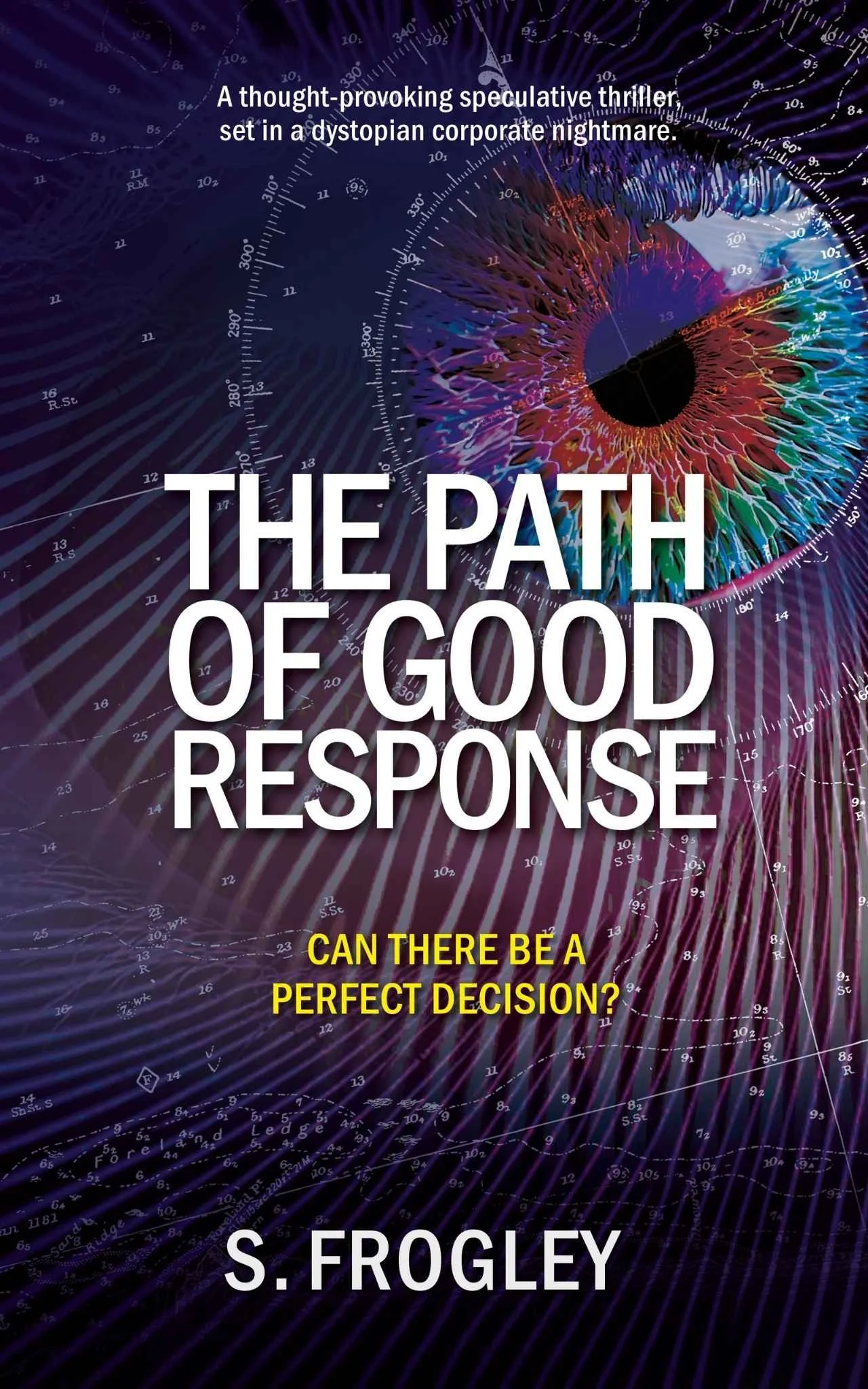
The Path of Good Response. The future now.
