
A Guide to Emotionally Messy Love Stories
A Guide to Emotionally Messy Love Stories
Some romances give you a tidy meet-cute, a few obstacles, and a kiss timed to perfection. Emotionally messy love stories do not believe in such polite behaviour. If you are here for a guide to emotionally messy love stories, you are probably not looking for immaculate people making sensible choices. You want yearning, bad timing, mixed signals, emotional baggage, and that very specific kind of pain where two people are clearly gone for each other and still somehow make everything worse before they make it better.
This is not the same thing as chaos for chaos's sake, and it is definitely not a free pass for weak character work. The best messy romances feel intense because the emotions are earned. The characters are not dramatic in a vacuum. They are carrying history, fear, pride, grief, loneliness, or a complete inability to say the one honest sentence that would save everyone six chapters of suffering. That is the good stuff.
What makes a guide to emotionally messy love stories useful?
A lot of books get described as messy when they really just mean busy. There is a difference. A crowded plot with break-ups, secrets and last-minute reveals is not automatically emotionally messy. True mess lives in the connection. It comes from two people whose feelings are real, inconvenient and badly managed.
Usually, that means the central relationship cannot be solved with a single chat over coffee. One or both characters want contradictory things. They are drawn to each other, but being together threatens something important - their self-image, their career, a friendship group, a family dynamic, or the fragile version of peace they have built around themselves. The tension feels personal, not mechanical.
That is why emotionally messy love stories tend to stick. Readers are not just waiting to see whether the couple end up together. They are waiting to see whether these people can become emotionally brave enough to deserve each other.
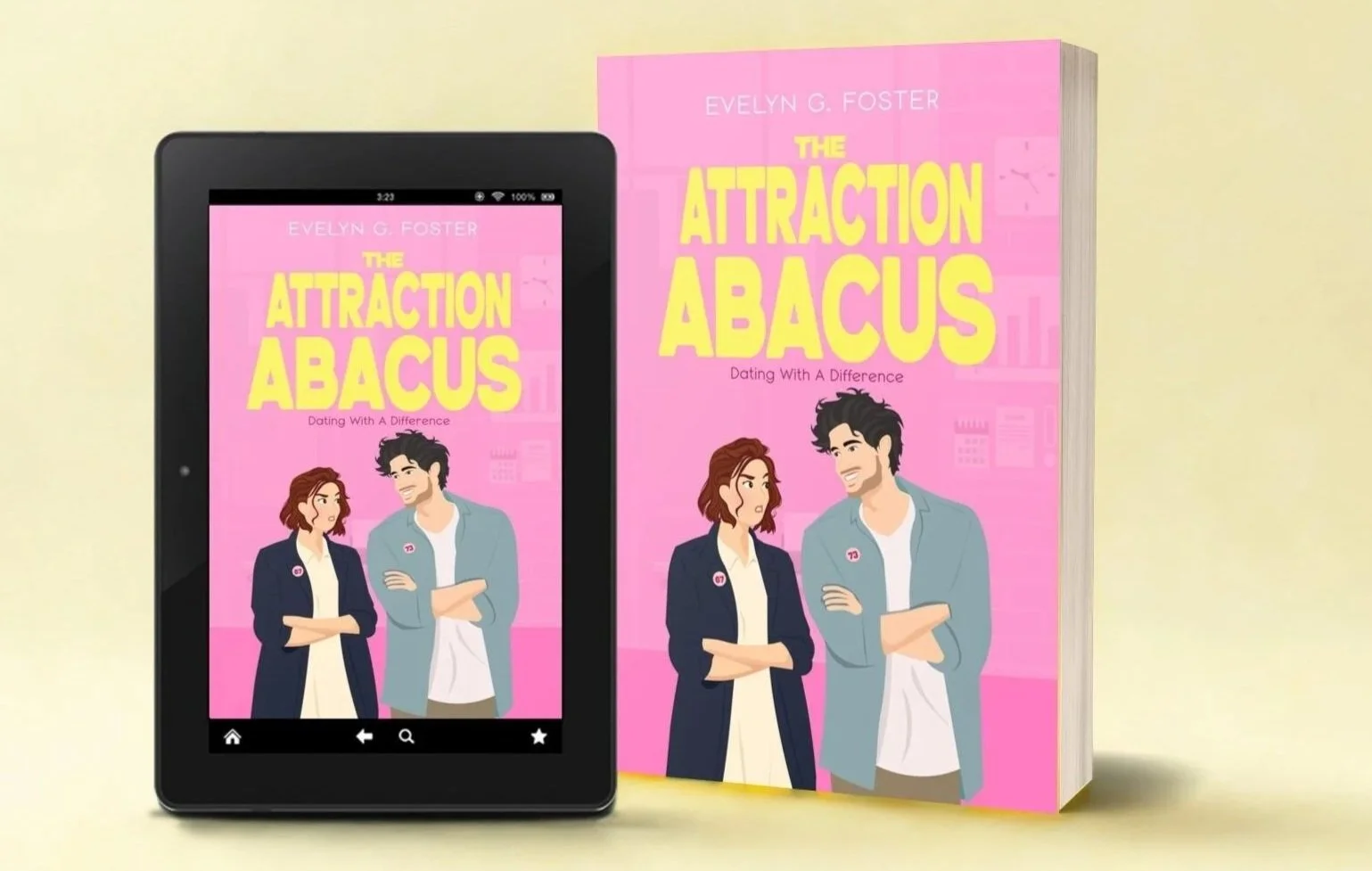
Ad: The Attraction Abacus features an emotionally messy love triangle, with great humour thrown in!
The key ingredients of emotionally messy love stories
First, you need chemistry with consequences. Attraction on its own is cheap. What makes it delicious is when attraction complicates things. Maybe they are exes with unfinished business. Maybe they have become each other's safest person at exactly the wrong moment. Maybe one of them is trying very hard to be sensible and the other keeps turning up with devastating eye contact and terrible timing.
Second, there has to be vulnerability under the bad decisions. Readers will forgive a lot if they can feel the bruise underneath the behaviour. If a character lashes out, avoids, lies by omission or clings too tightly, the story needs to understand why. Not excuse everything, but understand it. Emotional mess without emotional insight is just people being exhausting.
Third, the story needs a payoff worthy of the suffering. This does not always mean grand declarations in the rain. It can be quieter than that. Sometimes the real payoff is a character finally saying, plainly, what they need. Sometimes it is choosing honesty over self-protection. The point is that the ending should feel like growth, not just relief.
Messy does not have to mean toxic
This matters because online book chat loves a dramatic label, and not every intense romance is doing the same thing. Some readers want high angst and low spice. Some want a rom-com that still has a proper emotional wobble. Some want characters who are a bit of a disaster but still fundamentally decent. All valid.
A genuinely compelling messy romance knows the line between friction and harm. Miscommunication can work if it grows from believable fear or vulnerability. It stops working when the plot depends on everyone acting absurdly for too long. Likewise, jealousy, possessiveness, or emotional unavailability can add tension, but if the story treats cruelty as romantic proof of depth, the vibe shifts quickly from aching to annoying.
It depends, too, on the kind of reading experience you want. Some readers enjoy a full emotional car crash as long as the writing has control. Others want the ache without the collateral damage. If you know your tolerance for red flags, you will pick better books.
The most satisfying types of emotional mess
Friends-to-lovers can be gloriously messy because the stakes are built in. Nobody wants to ruin the friendship, which means every look means too much and every almost-confession feels catastrophic. Add timing issues or one-sided pining and you have prime material for late-night reading and unnecessary emotional investment.
Second-chance romance is another natural habitat for mess. Shared history does so much heavy lifting here. The old hurt is already in the room, and so is the possibility that they understood each other once in a way nobody else has since. The trick is making the reunion feel earned. Nostalgia alone is not enough. Readers need to believe the reasons they failed before have actually been faced.
Then there is the modern dating mess - situationships, almost-relationships, emotional exclusivity with no labels, and the deeply cursed phrase, what are we? These stories hit because they feel horribly familiar. Done well, they capture the comedy and cruelty of contemporary romance culture without sounding like a thread of dating-app complaints wearing a trench coat.
Workplace and proximity romances can also deliver, especially when the external pressure amplifies what the characters are trying not to feel. Forced closeness is useful because it denies everyone the luxury of pretending indifference. Put two emotionally repressed people in repeated contact and eventually somebody is going to crack.
How to spot a book that will actually deliver the angst
Blurbs often promise emotional devastation and then serve something surprisingly beige. A few clues help. Look for language that suggests inner conflict rather than just plot conflict. If the setup hints at grief, unresolved history, fear of vulnerability, competing loyalties, or a relationship that is genuinely inconvenient, that is promising.
Also pay attention to tone. The best emotionally messy stories know whether they are tragic, funny, tender, or a mixture of all three. A sharp, witty voice can make the heartache land even harder because it mirrors how many people actually move through pain - joking, deflecting, carrying on, then suddenly feeling everything at once on page 247.
Character depth matters more than trope labels. Enemies-to-lovers, fake dating and forced proximity can all be brilliant, but only if the characters feel specific. A trope is the frame. The emotional mess is in the detail - the defensive jokes, the almost-texts, the old wound nobody names until they absolutely have to.
Why readers keep coming back to emotionally messy love stories
Because tidy love can be lovely, but messy love often feels closer to the truth. Not because healthy relationships are impossible, but because getting to one usually involves a few less-than-elegant stages. People bring old patterns into new relationships. They misread, retreat, self-sabotage, overcompensate, panic, and occasionally kiss someone at the least sensible moment available.
There is catharsis in watching fictional people do this with more style than most of us manage in real life. These stories let readers feel recognised. They say yes, this is absurd, but also yes, this is human. For a lot of romance readers, that blend of escapism and emotional honesty is the whole point.
It also helps that emotionally messy love stories are highly discussable. They are built for group chats, reading sprints and dramatic reaction posts. Readers want to debate whether the hero was truly down bad, whether the third-act fallout was justified, whether the heroine should have made him grovel longer, and whether one line of dialogue deserves immediate highlighting. This is where fiction stops being just a private experience and becomes part of modern reading culture.
A guide to emotionally messy love stories for mood-based readers
If you want soft mess, look for books with strong yearning, low-to-medium external drama and a hopeful tone. These are ideal when you want emotional tension without being flattened by it. If you want feral mess, go for second chances, complicated histories and characters with active avoidance issues. That is where the pining gets dangerous.
If you prefer low spice, do not assume low heat means low intensity. Some of the most emotionally brutal romances barely close the bedroom door. Chemistry lives in dialogue, pacing, restraint and all the things left unsaid. A glance can do an astonishing amount of heavy lifting when the writer knows what they are doing.
And if your taste sits somewhere between rom-com sparkle and proper ache, that middle ground is often the sweetest spot. A book can be funny, contemporary and highly readable while still delivering an emotional hit. In fact, that contrast often makes the story more memorable. Heptagon Books knows modern readers are not choosing between fun and feeling - they want both.
The best emotionally messy love stories do not just break your heart a bit. They show you exactly why it was worth risking in the first place. Pick the ones with real character work, honest vulnerability and chemistry that causes actual problems, and you will rarely go wrong.
