
Why Do Readers Like Fake Dating?
Why Do Readers Like Fake Dating?
One accidental plus-one to a wedding, one wildly unconvincing "we're together, actually", and suddenly a reader is cancelling plans to finish the book. If you've ever wondered why do readers like fake dating, the short answer is this: it delivers maximum romantic chaos with a guaranteed emotional payoff. It is messy, flirty, structured, and just self-aware enough to be irresistible.
Fake dating is one of those tropes that keeps surviving every trend cycle because it understands the assignment. Readers know the couple are pretending. The characters know they're pretending. Everyone also knows somebody is going to catch feelings and make it everybody's problem. That delicious inevitability is not a flaw. It is the whole point.
Why do readers like fake dating so much?
Because it gives romance readers the best of both worlds. You get the safety of a clear setup and the excitement of emotional escalation. In a dating landscape full of ghosting, mixed signals and "what are we" limbo, fake dating stories offer a rare luxury: forced clarity.
The rules are usually established early. Pretend to be my partner at this event. Help me fend off an ex. Make my family stop asking questions. Secure the promotion. Save face at Christmas. Whatever the reason, the arrangement creates an immediate framework. Readers can relax into the premise while enjoying all the ways the characters are about to ruin that framework by developing actual feelings.
That balance matters. Too much uncertainty can make a romance feel frustrating. Too little tension can make it flat. Fake dating lands neatly in the sweet spot between the two. The external situation is controlled. The internal situation is pure panic.
The trope is basically a tension machine
Some tropes need time to warm up. Fake dating arrives with the engine already running. The couple have to spend time together, perform intimacy in public, and usually negotiate some sort of "ground rules" that exist purely to be broken later. It is catnip.
A good fake dating story makes ordinary moments feel loaded. Holding hands in front of friends is no longer just holding hands. Sharing a bed at a family gathering is no longer just a sleeping arrangement. Practising a believable kiss is, frankly, an HR incident waiting to happen. Readers love this because the emotional stakes build through scenes that are playful on the surface and quietly unhinged underneath.
It also creates one of romance's favourite pleasures: plausible denial. The characters can explain away almost anything. The jealousy is for the act. The lingering glance was part of the performance. The stomach flip means nothing. Sure.
Readers are not here because they believe the characters. Readers are here because the characters absolutely do not believe themselves forever.
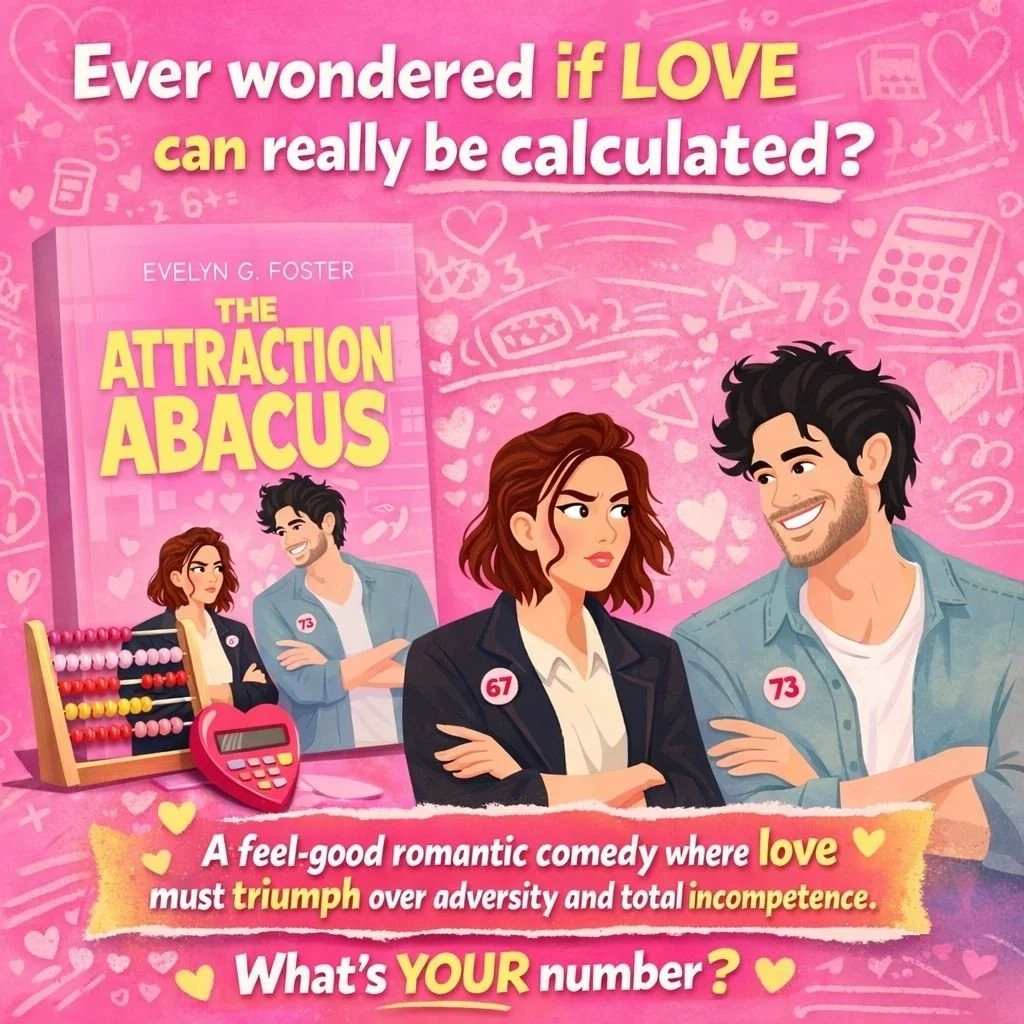
Ad: The Attraction Abacus. Fake dating fun!
There is built-in proximity without feeling random
Forced proximity is beloved for a reason, but it can sometimes feel a bit mechanically inserted. One snowstorm too many and even committed romance readers start raising an eyebrow. Fake dating often solves that problem by giving proximity a social purpose.
The couple need to attend events together. They need to text regularly. They need to know each other's habits, stories and favourite takeaway order. Intimacy grows not because the plot trapped them in a cottage, but because the premise demands believable closeness. It feels earned even while it is gloriously contrived.
It lets readers enjoy vulnerability with a safety net
Romance works because it asks characters to risk being seen. Fake dating adds a clever wrinkle. The characters can reveal themselves while pretending they are not really revealing anything.
That makes emotional openness easier to write and easier to read. A character can be tender because they are "keeping up appearances". They can defend the other person because that is what a convincing partner would do. They can confess tiny truths under the cover of the role they are playing. The mask gives them permission.
For readers, that means we get the good stuff earlier. We get care, protectiveness, banter and accidental honesty before either character is ready to label what is happening. It scratches the same itch as friends-to-lovers in some ways, but with more immediate romantic charge.
And because there is a built-in excuse for closeness, the eventual moment when the excuse runs out hits harder. Once the arrangement ends, the characters have to decide whether there is anything real underneath it. That is where fake dating often turns from fun to surprisingly emotional.
Why fake dating works especially well in modern romance
Part of the trope's appeal is timing. Contemporary readers are very familiar with the absurdity of performative relationships. Social media has made image management feel normal. Curated couple content, strategic soft launches, relationship status theatre - none of this feels especially far-fetched anymore.
Fake dating stories turn that modern weirdness into a romantic sandbox. They play with public versus private selves in a way that feels current. Who are you when you are performing love? What happens when the performance starts revealing truths you were trying not to admit? That question lands because it reflects real anxieties about dating, identity and presentation, just packaged with more chemistry and better lighting.
It also helps that fake dating is flexible. It can be frothy and funny, all sparkling banter and disastrous family dinners. It can be tender and low-spice, focusing on emotional intimacy rather than heat. It can even skew more dramatic if the setup touches class, reputation, career or grief. The trope is not one-note. It is a framework, and readers like frameworks that can still surprise them.
Why do readers like fake dating in low-spice and closed-door romance?
Very much, yes. Fake dating is one of the strongest tropes for low-spice and closed-door romance because it naturally generates chemistry without relying on explicit scenes.
When readers talk about wanting tension, they are not always asking for pages of spice. Often they want anticipation, emotional friction and those tiny moments that make you put the book down and stare at the wall for a second. Fake dating is excellent at that. A lingering touch in public, a rehearsed kiss that becomes a bit too real, the shock of discovering the other person remembers your coffee order - these moments can be more swoony than anything graphically described.
That is part of why the trope travels so well across different reader tastes. If someone wants a rom-com with heart and very little on-page heat, fake dating can carry the story beautifully. If someone wants more intensity, the trope can support that too. It is adaptable without losing its central appeal.
For readers browsing by vibe, not just by subgenre, that makes it incredibly shareable.
The reader gets dramatic irony, and that is half the fun
One of the sneakiest reasons fake dating works is that readers are nearly always ahead of the characters. We can see the feelings arriving before they do. We know that the protective gesture means something. We know the jealousy is not professional courtesy. We know the "this changes nothing" speech is living on borrowed time.
That dramatic irony creates a satisfying reading experience because it invites participation. You are not passively consuming events. You are spotting the cracks in the act and waiting for the emotional collapse. In the best versions, that collapse is both inevitable and still completely devastating.
This is also why fake dating thrives in online reader spaces. It is easy to talk about. Easy to quote. Easy to pitch in one sentence. You can sell the fantasy fast, but there is still enough emotional depth underneath for readers to have opinions, favourites and very specific scene requests.
The trope only fails when the emotional logic is thin
Not every fake dating book hits. Readers will forgive a lot for a good premise, but not everything.
If the reason for the fake relationship feels flimsy, the story can wobble. If the characters have chemistry only because the trope says they should, readers notice. And if the third-act conflict depends on one absurd misunderstanding too many, the whole thing can slip from deliciously dramatic to mildly exhausting.
The best fake dating romances understand that the setup is only the invitation. The real job is making the emotional journey feel truthful. Why these two people? Why now? Why does pretending expose something real they could not have reached otherwise? When a book answers those questions well, the trope sings.
That is also why readers who say they are "picky" about fake dating are often the biggest fans of it. They do not dislike the trope. They dislike lazy execution.
So, why do readers keep coming back to fake dating?
Because it is romance with excellent timing. It offers banter, yearning, public performance, private panic and a lovely slow collapse of emotional denial. It creates closeness quickly, but still leaves room for growth. It feels escapist while tapping into very recognisable fears about being wanted, being chosen and being known.
Most of all, fake dating gives readers that unbeatable moment when pretending stops being enough. The act falls apart. The feelings do not. And suddenly the story is asking the question that powers so much great romance: now that someone has seen the version of you built for show, will they stay for the real thing?
Honestly, that never gets old. If anything, it is exactly why readers keep shelving fake dating under comfort trope, favourite trope, and yes, inject it into my veins.
If you're choosing your next romance and want something reliably fun with plenty of heart, fake dating is still one of the safest bets in the genre - not because it is predictable, but because when it is done well, it delivers the emotional goods every single time.
