
What Makes a Romance Feel Modern?
What Makes a Romance Feel Modern?
You can usually tell by page three. One character makes a joke that actually sounds like something a real person would say, someone has a complicated relationship with their phone, and the love story understands that attraction now comes with baggage, boundaries and at least one badly timed message. That is often what makes a romance feel modern - not just the setting, but the sense that these people belong to the world we’re currently living in.
A modern romance is not simply a romance with Wi-Fi. If anything, readers are getting better at spotting the difference between books that use contemporary props and books that actually understand contemporary emotional life. A mention of Hinge, a group chat and a flatshare can help with atmosphere, but they do not automatically make a story feel current. What matters is how the romance handles intimacy, power, humour, communication and choice.
What makes a romance feel modern in practice?
The short answer is this: modern romances tend to feel emotionally up to date. They reflect how people date, flirt, panic, overthink and commit now. They know that chemistry is still chemistry, but the rules around it have changed. Readers want the swoon, obviously, but they also want recognition. They want to see versions of the lives they know - messy schedules, digital misunderstandings, career pressure, friendship dynamics, therapy language used well rather than sprinkled about for effect.
That does not mean every modern romance has to be hyper-online or obsessed with trends. In fact, trying too hard can age a book faster than a pair of low-rise jeans. A romance feels modern when it captures current attitudes rather than chasing every passing reference. The best ones understand the emotional weather of now.
It starts with characters who feel like actual adults
One of the biggest shifts in contemporary romance is that readers expect characters to have interior lives beyond the relationship. Not in a worthy, homework-ish sense. Just in a believable one. Work matters. Friendships matter. Family dynamics matter. So do mental health, money worries, and the small identity negotiations that come with adulthood.
A heroine who has a job but never seems to do it, or a love interest whose only personality trait is being fit and emotionally unavailable, can still appear in enjoyable escapist fiction. But if the question is what makes a romance feel modern, depth is part of the answer. Readers want characters who seem to exist off the page. They want desire, yes, but they also want perspective.
This is especially true when it comes to emotional intelligence. Modern romance readers are often highly alert to imbalance. They notice when one character has all the power, when bad behaviour is dressed up as passion, or when basic decency is treated like a shocking twist. The bar may be a meme, but in fiction, the bar still matters.
Banter helps, but emotional fluency matters more
A lot of modern romances are rightly praised for their dialogue. And yes, good banter can do heavy lifting. It creates spark, pace and that delicious sense that two characters are uniquely alive in each other’s company. But modernity is not just quips and flirt-fighting.
It is also in how characters talk about what they want, what they fear and what they can offer. That does not mean every scene needs a polished conversation about attachment styles over natural wine. It means the emotional beats feel earned. A misunderstanding should feel plausible, not manufactured because the plot needs another 80 pages.
This is where many readers draw the line between dramatic and dated. Older romance conventions often relied on silence, assumption and avoidable chaos. Modern romance can still use those things, but usually with more self-awareness. If two people refuse to communicate, the book needs to know that this is a flaw, not an aspirational form of longing.
Modern dating changes the rhythm of romance
Technology has altered the mechanics of falling for someone, and contemporary fiction ignores that at its peril. Phones are not just background objects. They shape pacing, access and tension. You can be in constant contact with someone and still have absolutely no idea what they mean. Frankly, that may be the most modern romantic condition of all.
Texts, voice notes, read receipts, social media lurking, algorithmic dating and the horror of interpreting punctuation all create new forms of intimacy and insecurity. Used well, these details make a romance feel current because they reflect how connection now happens in fragments. Attraction can build through messages before a first kiss. Equally, one badly judged Instagram Story can send everyone into a spiral.
Still, there is a trade-off here. Too much platform-specific detail can date a novel almost instantly. The sweet spot is using digital behaviour to reveal character rather than trying to sound terminally online. The point is not to prove the author knows what an app is. The point is to capture what mediated closeness feels like.
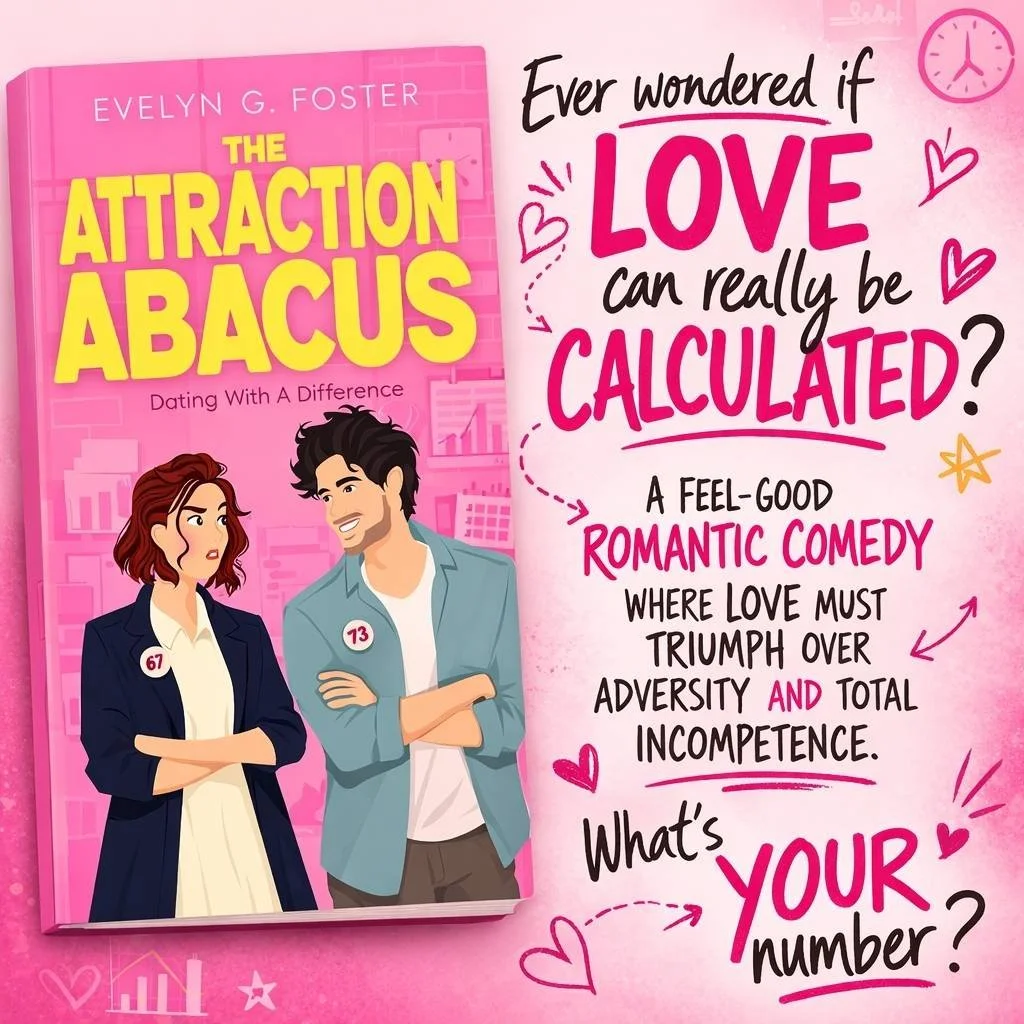
Ad: The Attraction Abacus. A modern romance with a difference!
Power dynamics need a bit more care now
Readers still love fantasy. They still love tension, yearning, opposites attracting, reckless chemistry and all the rest of it. But plenty of what once passed as irresistibly dominant now reads as controlling, and not in a sexy way. That shift is central to what makes a romance feel modern.
Current romance tends to be more alert to consent, autonomy and reciprocity. Again, that does not have to make a story stiff or over-explained. It simply means desire is not built on one person bulldozing the other’s boundaries. Mutuality is attractive. So is respect. So is a love interest who can apologise properly without acting as if he deserves a medal for basic emotional competence.
This also opens up more interesting storytelling. If both characters have agency, the tension has to come from somewhere richer than dominance alone. Conflicting goals, timing, public image, self-protection, grief, ambition - these all create romantic stakes that feel far more now than a hero who mistakes possessiveness for depth.
Humour has become part of the love language
A lot of modern romances feel, quite simply, funnier. That matters. Humour is one of the clearest ways a book can signal that it understands contemporary social life. Not because every romance needs to be a full rom-com, but because wit often creates intimacy faster than grand declarations do.
Modern readers love a love story that knows when to be sincere and when to let someone say the slightly unhinged thing they were obviously going to say. There is a reason chaotic group chats, terrible dates and sharp observational comedy travel so well on BookTok and Bookstagram. They are shareable because they feel recognisable.
The trick is keeping the humour character-based rather than turning the whole book into a string of captions. If every line sounds engineered for a quote graphic, the illusion breaks. Funny works best when it grows out of awkwardness, timing and personality.
Modern romance is broader than one type of relationship story
Another reason the genre feels fresher is that it has widened. Readers now expect a bigger range of heroines, heroes, identities, relationship histories and romantic setups. The modern love story is not one-size-fits-all, and thank goodness for that.
That variety is not just about representation, though that absolutely matters. It is also about specificity. A romance feels modern when it is confident about the kind of story it is telling. Maybe it is low-spice and full of yearning. Maybe it is a dating-disaster rom-com. Maybe it is quietly tender and deeply observant. The point is not to imitate a trend package labelled contemporary. The point is to know its emotional proposition.
This is why readers are increasingly precise about taste. They are not simply asking, is it romantic? They are asking, is it funny, angsty, soft, chaotic, clever, messy, closed-door, slow-burn, second-chance? Modern romance culture has given readers a more detailed vocabulary, and the best books meet that with equal clarity.
So what makes a romance feel modern, really?
It is the combination of old and new. The core appeal of romance has not changed much at all. People still want tension, vulnerability, fantasy, payoff and that glorious moment when two characters finally stop being absurd and admit what is happening. But the framing has changed. Readers want those emotional highs to sit inside a world that reflects current norms, pressures and pleasures.
A modern romance understands that love now exists alongside burnout, digital noise, self-awareness, choice fatigue and the very specific madness of trying to seem chill when you are anything but. It knows that independence and intimacy are not opposites. It lets characters be flawed without romanticising behaviour that should stay in the group chat as a warning.
That is why the best contemporary love stories feel so satisfying. They do not just offer escape. They offer recognition with better lighting, sharper jokes and, if all goes well, a genuinely excellent kiss.
If you are choosing your next read, look for the one that feels like it knows the rules of modern dating and still believes romance is worth the effort. That balance is where the magic lives.
