
What Does Open Door Romance Mean?
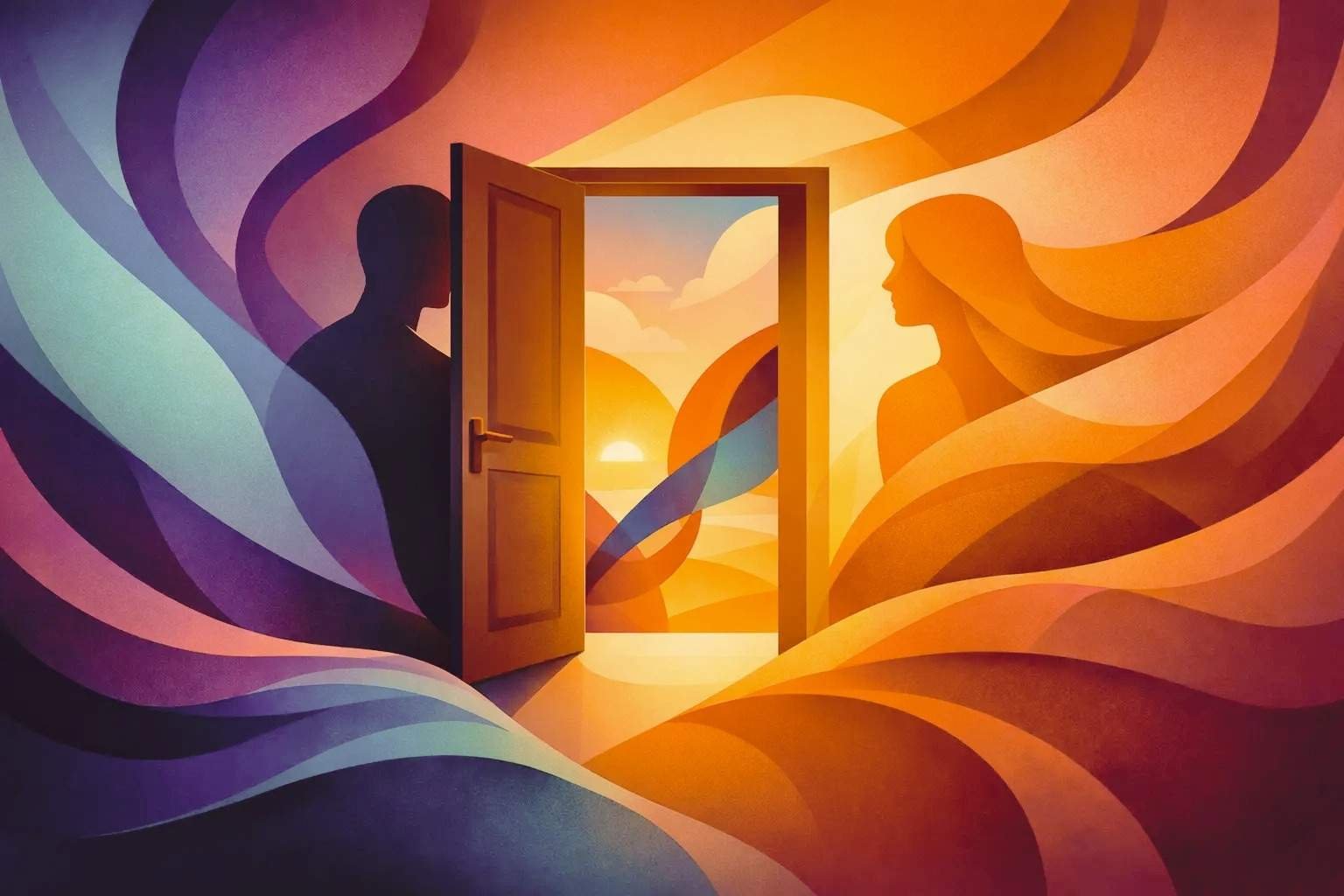
What does open door romance mean?
You’re three scrolls deep into BookTok, someone has called a novel “open door but not too spicy”, and suddenly you’re doing genre admin instead of choosing your next read. Fair. Romance readers have built an entire working vocabulary around heat levels, and if you’re wondering what does open door romance mean, the short answer is this: the story includes intimate scenes on the page rather than skipping past them.
That said, “open door” is not a precise measurement like a teaspoon of cinnamon. It tells you the bedroom door is open to the reader, but it does not automatically tell you how explicit, frequent, emotional, graphic, funny, awkward, tender, or intense those scenes will be. And yes, that is why two readers can describe the same book very differently online.
What does open door romance mean in books?
In romance-land, “open door” usually means the physical intimacy happens on the page. The reader is present for it. The book does not fade to black, cut to the next morning, or politely pan to the curtains while everyone gets on with it off stage.
The term is often used as a shorthand for heat level, but it’s really more about visibility than temperature. A novel can be open door and still feel relatively mild if the scenes are brief, lightly described, or more emotionally focused than anatomically detailed. On the flip side, an open door romance can be very explicit if the author writes those moments in full and makes them a major part of the reading experience.
That’s why “open door” is helpful, but not foolproof. Think of it as a signal, not a guarantee. It tells you the intimacy won’t be hidden, but the exact vibe still depends on the book.
Open door vs closed door romance
This is the comparison most readers actually want, because nobody is trying to play heat-level roulette at 11pm.
Closed door romance means the story either avoids sex scenes altogether or moves past them without showing the details. You might get kissing, longing, chemistry, and all the emotional chaos your heart can handle, but once things escalate, the narrative steps away. This is also often called “fade to black”.
Open door romance keeps the scene in view. That does not always mean pages and pages of explicit detail. It just means the narrative stays in the room.
If closed door is “they kiss, chapter ends, and now it’s breakfast”, open door is “you are still here, and yes, the author is going to tell you what happens next”.
Neither approach is better. It’s a taste issue. Some readers want the emotional build-up without explicit scenes. Some want the full arc, including physical intimacy, because it deepens the connection between the characters. Some want a rom-com with a bit of heat, and some want enough spice to fog up the Kindle. Everyone is valid, and everyone is also very opinionated about it.
Does open door always mean spicy?
Not necessarily, and this is where things get messy.
A lot of readers use “open door” and “spicy” as if they’re interchangeable, but they’re not quite the same. Open door describes whether the intimate scene appears on the page. Spice is more about how the scene feels in practice - how explicit it is, how much detail the author includes, how often it happens, and how central it is to the book’s tone.
A romantic comedy can be open door and still feel light, playful, and mainstream. A different book might have fewer scenes but be much more intense in language and effect. Then there are novels that are technically open door but so brief and soft-focused that readers who like high heat may barely register them as spicy at all.
This is why recommendation culture gets so oddly specific. Readers are not just asking for “open door”. They’re asking for “open door but low spice”, “open door and very emotional”, “open door with tension first”, or “open door but not dark”. It sounds niche until you’ve been burned by a recommendation that promised cute banter and delivered emotional damage plus furniture-related acrobatics.
Why readers care so much about the label
Because romance readers are trying to find the right experience, not earn points for genre bravery.
Heat level can completely change how a book feels. Two novels might share the same tropes - fake dating, enemies to lovers, one bed, all the hits - but land very differently depending on whether the intimacy is closed door, gently open, or fully explicit. For some readers, open door scenes add payoff and chemistry. For others, too much detail breaks the mood or simply isn’t what they’re in the market for.
There’s also the social side of reading. Online book culture runs on shorthand. People want to describe a book quickly and accurately: Is it funny? Is it angsty? Is it low spice? Is it open door? Will it make me blush on a train? These labels help readers sort through endless recommendations without needing a spoiler-filled essay every time.
And, frankly, they save disappointment. A reader looking for sweet, low-spice romance may feel ambushed by a highly explicit book. A reader wanting proper heat may feel equally cheated by a story that closes the door just when things get interesting. Labels are not about judging the book. They’re about matching the book to the reader.
What open door romance can look like
This is where nuance matters. Open door is not one fixed setting.
Some open door romances include one or two intimate scenes near the end, written with enough detail to count but not enough to dominate the book. Others weave sexual tension and on-page intimacy throughout the story. Some scenes are written in a soft, emotionally rich way, where the focus is closeness and vulnerability. Others are sharper, hotter, and more graphic.
Tone matters too. In a rom-com, an open door scene might still feel breezy and character-led. In a more dramatic contemporary romance, the same level of explicitness can land with more emotional weight. Even point of view changes the reading experience. A single first-person perspective can make a scene feel very immediate, while dual POV may add extra layers of anticipation and contrast.
So if you see “open door romance” in a review, it helps to treat it as the start of the conversation. Not the final verdict.
How to tell if a book is open door before you read it
No system is perfect, but there are clues.
Reader reviews are often the most useful, especially when people describe the heat in plain language rather than rating it with random chilli emojis and chaos. Phrases like “on-page intimacy”, “a few explicit scenes”, “fade to black”, and “low spice but open door” are usually more informative than a mysterious “3/5 spice” with no explanation.
The publisher’s positioning can also help. If a book is being talked about as a sweet rom-com, low-spice contemporary, or clean romance, it’s less likely to be strongly open door. If it’s being marketed with heavy emphasis on spice, chemistry, or steam, the door is probably not just open but hanging off the hinges.
That said, marketing language still varies a lot. Some books are sold on trope energy and emotional appeal rather than heat level, which is one reason readers have become their own unofficial classification system. At Heptagon Books, for instance, we know plenty of readers want that exact sweet spot - modern romance with genuine chemistry, emotional payoff, and clarity about whether the spice level suits their taste.
Is open door romance better than closed door?
Only if it suits what you like.
Open door can heighten intimacy, deepen character dynamics, and make the romantic arc feel fully realised. It can also be funny, awkward, revealing, and surprisingly tender. When it fits the story, it works.
But closed door has strengths too. It can keep the pacing snappy, leave more to the imagination, and foreground emotional development over physical detail. For some readers, that creates a more satisfying fantasy. For others, it feels like the story has skipped a meaningful part of the relationship.
The real answer is that romance is not one-size-fits-all. Some readers want closed door on weekdays and open door at weekends. Some want different heat levels depending on mood, trope, or author. The best books know what they’re trying to be and deliver it well.
So, what does open door romance mean for your TBR?
It means you’ll see the intimacy on the page, but you should still look for context around tone and explicitness before deciding whether it’s your thing.
If you love romance with chemistry you can actually witness, open door may be exactly your lane. If you prefer your stories sweet, tension-filled, and less explicit, closed door or low-spice romance might be a better fit. And if you’re somewhere in the middle, welcome to the very crowded club of readers who want banter, feelings, and just enough heat to keep things interesting.
The trick is not picking the “right” label. It’s getting specific about the reading experience you want - because the best romance recommendation is the one that feels like it was meant for you.
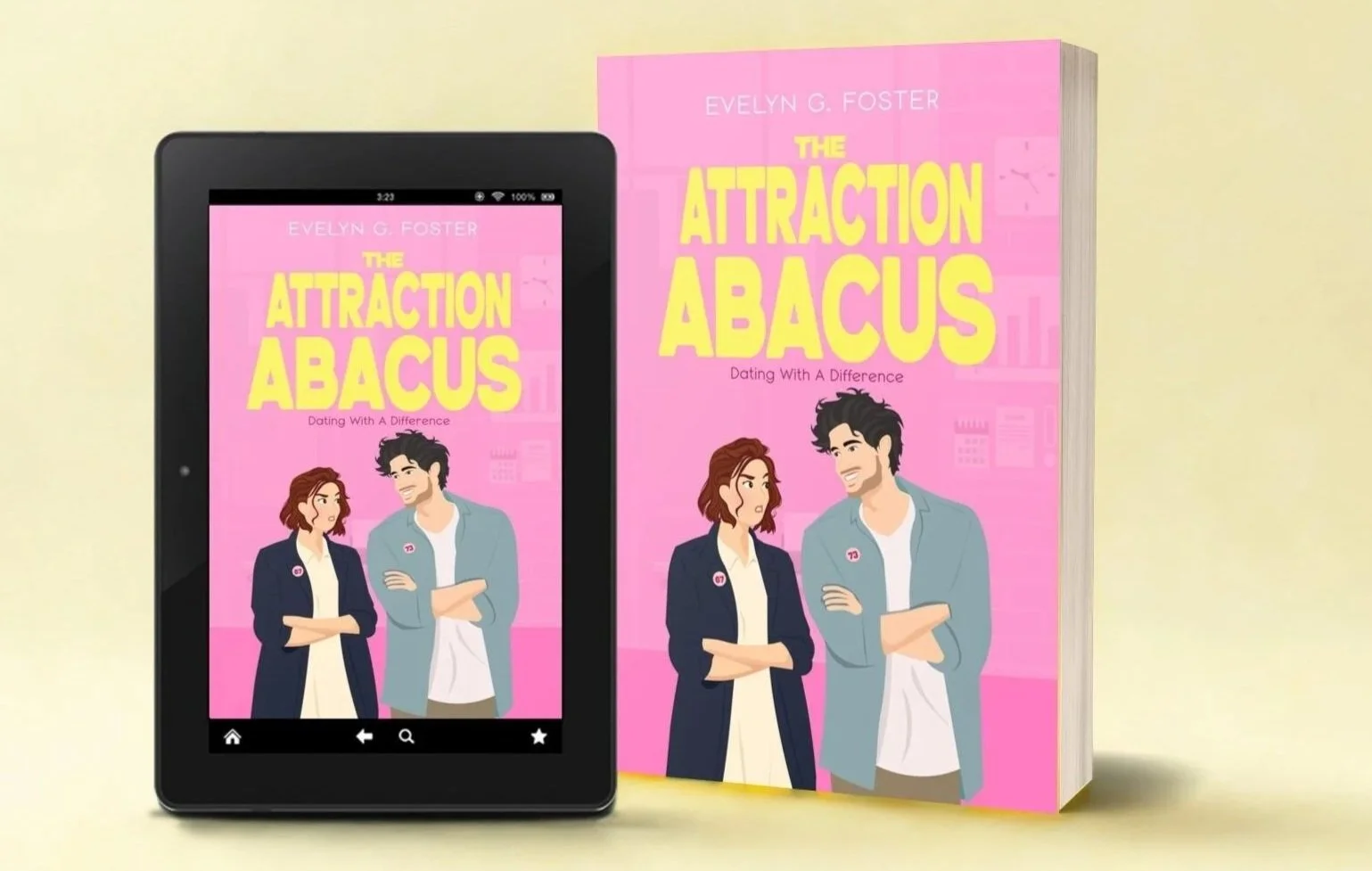
Ad: The Attraction Abacus. Closed door rom-com fun!
