
How Dating Apps Changed Romance Fiction
How Dating Apps Changed Romance Fiction
One bad Hinge date and suddenly half your reading list makes more sense.
That is the real reason dating apps changed romance fiction so dramatically. Once love stories could rely on a chance glance across a bookshop, a spilled coffee, or a wrong number that somehow felt charming rather than mildly alarming. Now romance has to contend with read receipts, profile prompts, soft-launches, breadcrumbing, ghosting, and the weirdly intimate act of sending someone your most flattering three photos and hoping they understand your vibe. Contemporary romance did not just absorb dating app culture. It got rewritten by it.
For readers, that shift has been a gift and a complication. The gift is obvious - modern romance can feel sharper, funnier and far more honest about how people actually meet. The complication is that technology changes the mechanics of longing. It is harder to write yearning when both characters are carrying a tiny tracking device that can show whether someone is online, typing, active or simply choosing chaos.
Why dating apps changed romance fiction so fast
Romance has always responded to social behaviour. Courtship changed, so fiction changed with it. Dating apps did not just introduce a new setting or a trendy detail. They altered pacing, intimacy, risk and even the basic logic of how two people end up together.
In older romance structures, meeting someone often felt rare and meaningful by default. You encountered the right person because fate, timing, or narrative design placed them in front of you. Apps replaced some of that rarity with abundance. There is always another profile, another match, another maybe. That creates a very different emotional atmosphere on the page.
Modern romance therefore has to work harder to prove why this person matters in a world full of options. The result is often more emotionally specific storytelling. Writers cannot just say two characters are meant to be. They have to show why one connection survives choice paralysis, algorithm fatigue and the low-grade exhaustion of modern dating.
That is partly why so many current love stories feel more self-aware. They know the characters have seen too much, texted too much and been disappointed too many times to fall instantly into a grand cinematic fantasy without a little resistance.
The meet-cute had to evolve
The classic meet-cute is not dead. It has simply had to put on different clothes.
A swipe-right is not, on its own, a scene anyone wants to reread. It lacks friction, chemistry and narrative sparkle unless the writer builds those things in afterwards. So romance fiction has adapted by making the app the trigger rather than the whole event. Maybe the profile is a disaster but the banter is immaculate. Maybe two people match, unmatch, then collide in real life. Maybe one character is absolutely certain the other is a catfish and is, for once, wrong.
This is where modern rom-coms get to have fun. Dating apps offer built-in opportunities for misunderstanding, performance and reinvention. Profiles are tiny acts of self-curation, which means they are perfect tools for fiction. The person in the bio is never exactly the person in the room. That gap is where chemistry lives.
It also opens up one of the great pleasures of current romance: the tension between who we market ourselves as and who we really are. A character can write that they are spontaneous, outdoorsy and "equally happy in a pub or a museum", then turn up late, hate hiking and panic in silence when handed a menu with too many choices. That is not just funny. It is revealing.
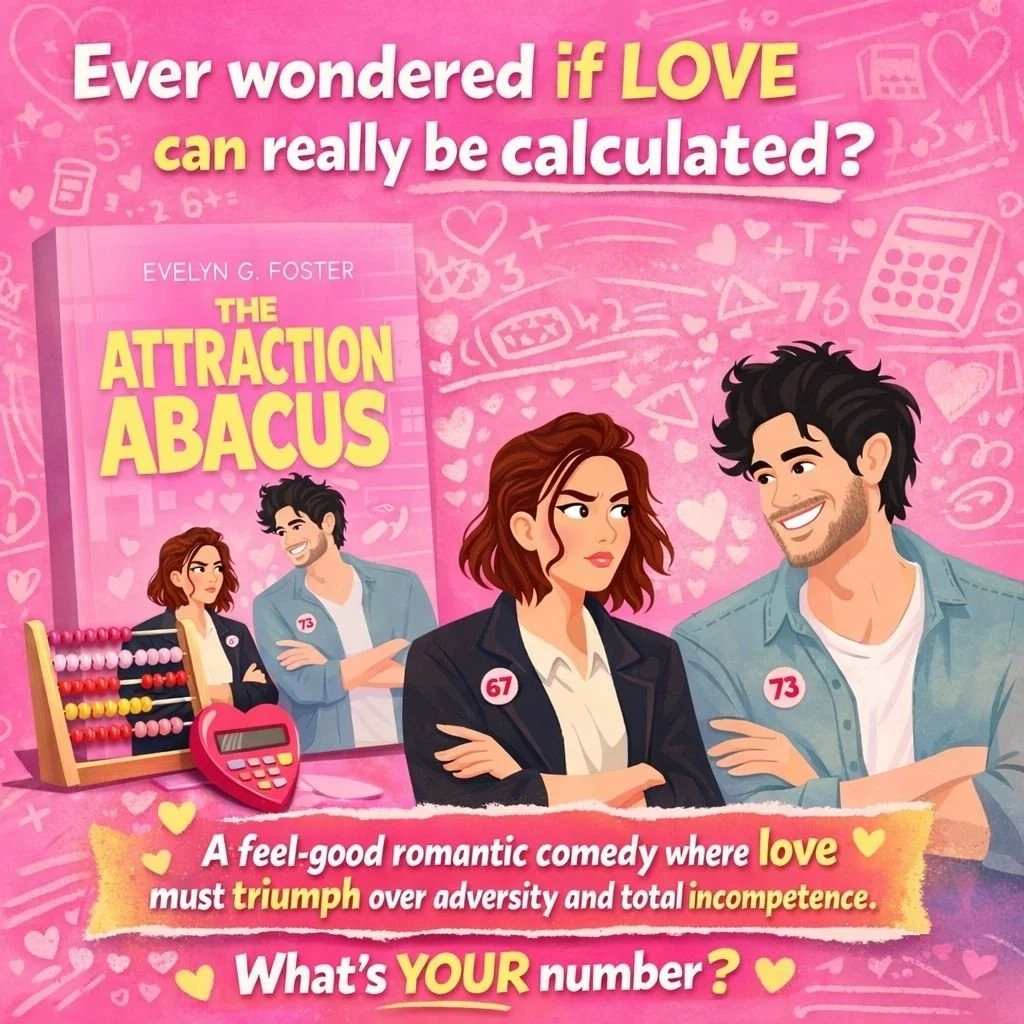
Ad: The Attraction Abacus. A rom-com where dating apps are taken to the extreme!
Texting changed the rhythm of desire
One of the biggest reasons dating apps changed romance fiction is that they made conversation continuous. Older romances often relied on separation. Lovers waited for calls, letters, accidental reunions. Silence created suspense.
Now silence means something else. If someone has viewed a story and not replied for two days, that is a plot point.
Digital communication has given romance writers new tools for tension. Flirting can unfold across messages before two characters even meet. Emotional intimacy can arrive surprisingly early, because people confess strange truths over text they would never say across a dinner table. At the same time, miscommunication has become more layered. It is no longer just "I never got your letter". It is "I saw your message, overthought my reply, got embarrassed, left it too long, then convinced myself it was too late".
That is painfully modern and, for readers, painfully recognisable.
It also changes heat and pacing. Some romances are now built on the delicious contrast between digital confidence and real-world awkwardness. A character can be all charm in messages and complete verbal soup in person. That dynamic works because it mirrors actual experience. Many readers know exactly what it is like to fancy someone through a phone first and then meet an entirely different version of their own confidence.
Romance got more honest about choice fatigue
Apps have created a strange contradiction in modern dating. More access, less certainty. More contact, less clarity. More opportunities, more exhaustion.
Good contemporary romance has noticed. The best books in this space do not just use apps as wallpaper. They understand the emotional wear and tear that comes with endless browsing and low-stakes rejection. That means protagonists often arrive more guarded, more ironic and more specific about what they do not want.
This has sharpened characterisation. Readers are not just getting heroines who want love. They are getting heroines who are tired of men holding fish in profile pictures, tired of charming non-committal texters, tired of pretending every mediocre date is "a funny story for later". That irritation can be very funny, but it also gives the eventual romance more weight. If a character has genuinely lost patience with the whole system, a meaningful connection feels earned.
There is a trade-off, though. Too much realism can flatten the fantasy. Nobody wants 300 pages that feel exactly like being ignored by someone called Ben who says he is "not really on here much" despite matching within four seconds. Romance still needs lift. It needs charm, momentum and emotional payoff. The cleverest writers know when to borrow from dating culture and when to edit it for pleasure.
Dating apps changed romance fiction - but not every subgenre equally
Contemporary rom-coms have been most visibly transformed, because they live closest to current social habits. If a modern-set romance ignores apps altogether, readers may start asking practical questions. Where exactly are these attractive single adults finding each other so conveniently?
But the influence reaches beyond rom-com. Women’s fiction now uses app dating to explore loneliness, reinvention and post-break-up identity. Second-chance romances can examine whether technology really offers fresh starts or just new ways to repeat old patterns. Even low-spice romance benefits from app-era tension, because emotional stakes can build long before anything physical happens.
On the other hand, some romance niches deliberately resist this shift. Small-town romance, historical romance and certain escapist subgenres still thrive on constrained worlds and fewer choices. That is not old-fashioned. It is strategic. Remove the apps and you immediately increase pressure, proximity and narrative neatness. Sometimes readers want realism. Sometimes they want one hot neighbour and no algorithm.
Why readers keep responding to app-era love stories
Because they feel legible.
Readers who spend their real lives decoding mixed signals are naturally drawn to fiction that can decode them back. App-influenced romance speaks the language of now: situationships, overthinking, emotional availability, boundaries, bad banter, suspiciously perfect profile photos. It recognises the comedy and the humiliation of trying to build intimacy in a culture that often packages people like products.
That recognition matters. It makes a book feel current without needing to stuff it full of trend references that will date in five minutes. The strongest stories are not really about apps. They are about performance, vulnerability and the strange business of trying to be chosen while pretending you are chill about it.
That is also why these books are so shareable online. Readers love spotting themselves in them. One quote about an ill-advised voice note or a perfectly judged first-date disaster and suddenly the group chat is active. For a publisher like Heptagon Books, that overlap between reader reality and reader entertainment is exactly where contemporary fiction gets sticky in the best way.
The future of romance fiction is not less digital - just more selective
Romance is unlikely to abandon dating app culture because readers are still living in it. But fiction is getting smarter about how it uses it.
The next wave is less about the novelty of matching and more about the emotional consequences of being constantly reachable, constantly visible and constantly presented with alternatives. Writers are asking sharper questions now. What does commitment mean in a culture built around options? How do you trust chemistry that begins in curation? What does sincerity look like when everyone has learned to perform themselves?
Those are rich questions, and romance is one of the best genres for answering them because it is already obsessed with the gap between what people say and what they feel.
So yes, dating apps changed romance fiction. They changed the meet-cute, the pacing, the misunderstandings and the emotional vocabulary. But the heart of the genre is still the same stubborn thing it has always been: two people trying to be known properly.
The tech may be new. The hope is not. And that is probably why these stories still hit - even if the first kiss now arrives after 147 messages, three deleted drafts and one truly chaotic prompt about Sunday routines.
