
A Guide to Romantic Comedy Subgenres

A Guide to Romantic Comedy Subgenres
If you've ever said, "I want a rom-com, but not that kind of rom-com," congratulations - this guide to romantic comedy subgenres is for you. Because "romantic comedy" is less one neat shelf and more a chaotic group chat full of fake dating enthusiasts, enemies-to-lovers loyalists, low-spice softies, and readers who want emotional damage lightly dusted with banter.
The problem is that plenty of books get labelled rom-com when they are, in fact, women's fiction with a kiss, straight-up romance with a few jokes, or two traumatised people making flirty eye contact in a bakery. None of those are bad. But if you're trying to find your exact flavour, the subgenre matters. A lot.
Why a guide to romantic comedy subgenres actually helps
Reader taste has become gloriously specific. People don't just want "funny romance" anymore. They want office romance with sharp dialogue, fake dating with low spice, second-chance romance but make it emotionally mature, or friends-to-lovers with actual comedic timing instead of one mildly amusing side character doing all the work.
That's why a proper guide to romantic comedy subgenres is useful. It helps you sort tone, pacing, heat level, setting, and emotional payoff before you commit your weekend and your feelings. It also explains why one rom-com makes you cackle on the sofa and another leaves you wondering when exactly the comedy was meant to arrive.
At heart, romantic comedy needs two things working together: a central love story and a genuinely light, witty, or comic sensibility. The balance can shift. Some books lean harder into swoon, others into awkwardness, satire, or dating chaos. But if the humour feels stapled on, or the romance feels like an afterthought, readers notice.
The main romantic comedy subgenres readers talk about
Contemporary dating rom-com
This is the one living closest to the group chat, the dating app spiral, and the "why did he send that full stop" panic. Contemporary dating rom-coms deal in modern relationship mess with a wink. Think bad first dates, over-analysed texts, work-life confusion, and the very specific humiliation of accidentally sharing too much too soon.
These books tend to feel current, fast, and easy to recommend because the setup is instantly recognisable. They're often ideal for readers who want relatability over fantasy. The trade-off is that they can date quickly if the references are too on-the-nose, so the best ones capture the emotional truth of modern dating rather than trying too hard to sound online.
Fake dating rom-com
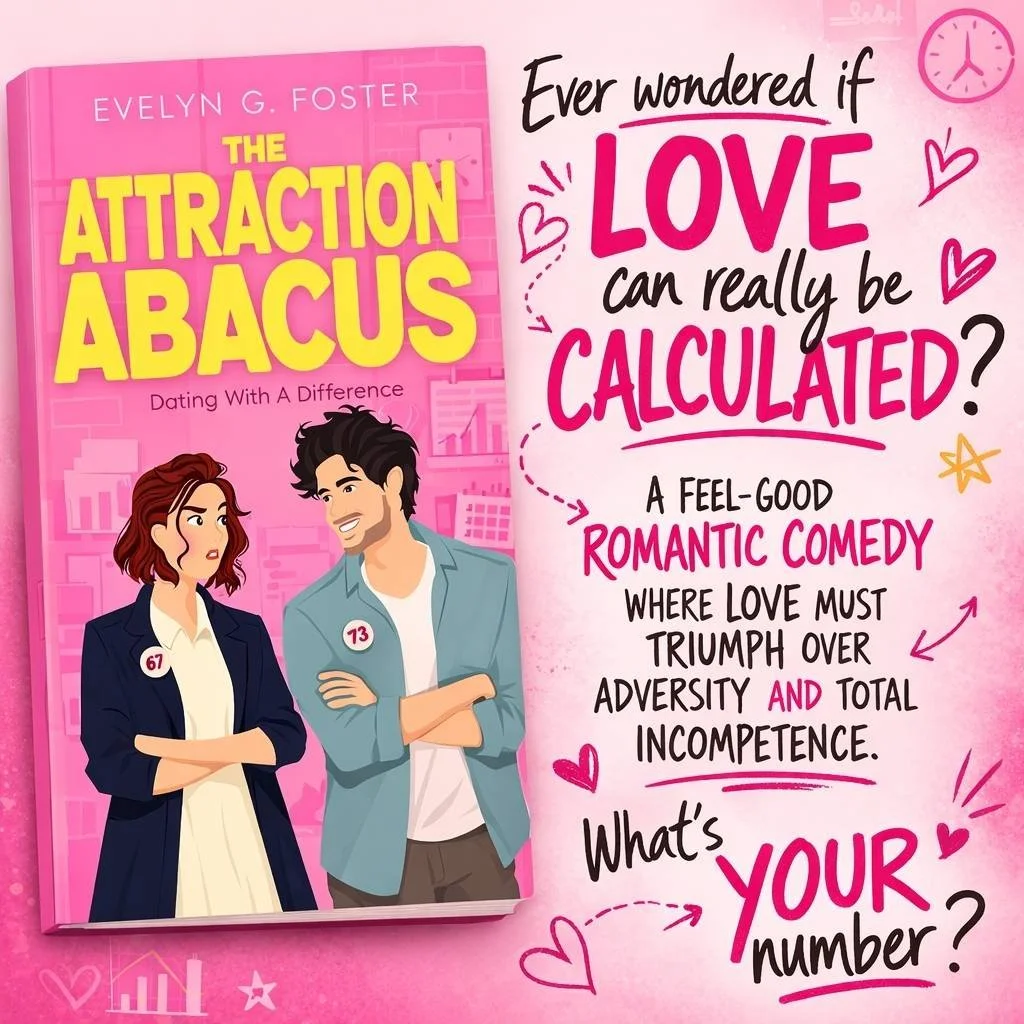
Ad: The Attraction Abacus. A fake-dating, enemies-to-lovers, workplace rom-com!
The people's champion. Fake dating remains absurdly popular because it gives you instant tension, built-in proximity, and a reason for two people to keep performing feelings until, awkwardly, they are no longer performing.
The appeal is obvious: there is yearning, there is comedy, there are terrible plans that everybody knows will go wrong. A fake dating rom-com usually suits readers who like banter and delicious inevitability. The only caution is that the setup needs enough emotional logic to hold. If the reason for the fake relationship is too flimsy, readers will clock it by chapter three and start negotiating with the book.
Enemies-to-lovers rom-com
This is for readers who like sparks, friction, and a bit of verbal sport. In an enemies-to-lovers rom-com, the comedy often comes from competitiveness, mutual exasperation, or complete refusal to admit the obvious. It's less soft-focus sweetness, more "I cannot stand you, unfortunately you are very attractive".
When it works, it's elite. The jokes have bite, the chemistry feels earned, and the eventual vulnerability lands harder. When it doesn't, the "enemies" part can slide into plain meanness. Tone is everything here. Readers want conflict, not a romanticised HR complaint.
Friends-to-lovers rom-com
This subgenre trades fireworks for ache. The comedy is often warmer and more character-based, built around familiarity, in-jokes, and the nightmare of realising your safest person is also the person ruining your emotional stability.
Friends-to-lovers works especially well for readers who want tenderness with their humour. The risk is pacing. If the story doesn't create enough movement, it can feel like 300 pages of "what if". The best versions understand that comfort is lovely, but tension still has to show up and do some work.
Workplace rom-com
Workplace rom-coms are catnip for readers who enjoy competence, proximity, and flirtation under fluorescent lighting. Offices, publishing houses, restaurants, start-ups, schools - if two attractive adults are forced to interact repeatedly while pretending to be professional, the subgenre is alive and well.
These books often thrive on sharp dialogue and power dynamics, though the latter needs careful handling. Readers are much more alert now to imbalance and dodgy behaviour presented as romantic. A strong workplace rom-com keeps the tension delicious without making you want to email someone's manager.
Small-town rom-com
If contemporary dating rom-com is all chaos, small-town rom-com is chaos with a village fete. This subgenre wraps romance in community, nosy side characters, local gossip, and the kind of setting where everyone somehow knows you've kissed someone behind the pub before you've even got home.
Small-town rom-coms are usually cosier, though they can still be sharp and funny. They suit readers who want escapism, warmth, and a strong supporting cast. The trade-off is that if you prefer slick urban energy, the close-knit setting can feel a bit too curated. It depends whether you find communal meddling charming or unbearable.
Holiday and seasonal rom-com
These are mood reads and they know it. Whether it's a summer escape, Christmas reset, destination wedding, or chaotic getaway, seasonal rom-coms use a compressed timeframe and heightened atmosphere to push the romance along.
The best ones feel fizzy and immersive, perfect when you want a book to match the time of year or your emotional thermostat. But they can sometimes prioritise vibe over depth. If you're after big emotional layering, not just twinkly momentum, you'll want an author who can balance both.
Low-spice and closed-door rom-com
Not every reader wants high heat, and thankfully the market has stopped pretending otherwise. Low-spice rom-coms keep the emotional build and chemistry front and centre without relying on explicit scenes. Closed-door versions fade out before sex, while low-spice books may include some sensuality but keep it relatively gentle.
For many readers, this isn't about being prudish. It's about tone. A low-spice rom-com can feel especially buoyant, cosy, and easy to recommend to a wider circle. Of course, some readers want more heat to match the chemistry, so this is one of the clearest areas where preference simply is preference.
How tone changes the subgenre
Here's where things get sneaky. Two books can share the same trope and feel completely different because the tone isn't doing the same job.
A fake dating story can be screwball and ridiculous, soft and heartfelt, or emotionally bruised with jokes sprinkled on top. An enemies-to-lovers book might read like sparkling comedy in one author's hands and like intense romance in another's. That's why subgenres overlap constantly with tone markers such as cosy, sharp, slow-burn, high-angst, low-spice, or emotionally messy.
This is also why readers get disappointed by supposedly funny books that are really just lightly sarcastic. A rom-com doesn't need to be wall-to-wall punchlines, but it should understand comic rhythm. Banter helps, but so do timing, escalating situations, and characters whose flaws create genuine amusement rather than second-hand embarrassment so severe you need to put the book down and stare into space.
How to pick the right romantic comedy subgenre for you
The easiest place to start is not trope but mood. Ask yourself what you actually want from the reading experience. Do you want comfort, chaos, yearning, escapism, spice, or the very particular joy of watching two idiots make terrible romantic decisions for 320 pages?
If you want fast, current, talkable reads, contemporary dating rom-coms and workplace rom-coms usually deliver. If you want comfort and community, small-town or low-spice rom-coms are often a safer bet. If you read for tension first, fake dating and enemies-to-lovers rarely leave the chat.
It also helps to separate humour style from romantic setup. Some readers love dry wit and awkward realism. Others want bigger comic set-pieces, more absurdity, more fizz. Neither is better. But knowing the difference can save you from picking up a book marketed as hilarious when what it really offers is one amusing cousin and a very sincere third-act breakup.
For publishers and readers alike, this specificity is not niche. It's useful. The more clearly a rom-com knows what lane it's in, the easier it is to find the people who'll properly love it. That's part of why modern romance conversations are so trope-heavy online. It's not reducing books - it's giving readers better language for taste.
And honestly, that's half the fun. Once you know whether you're a fake dating loyalist, a low-spice contemporary reader, or someone permanently one blurb away from an enemies-to-lovers relapse, choosing your next read gets much easier. At Heptagon Books, that's the sweet spot: helping readers find the kind of romantic comedy that feels less like a random pick and more like a very good decision.
