
12 Best Romance Books About Red Flags
12 Best Romance Books About Red Flags
If your favourite romance trope is basically “I can fix him” followed by “actually, perhaps I should run”, you are very much among friends. The best romance books about red flags give us the exact cocktail readers keep talking about online - chaotic attraction, questionable choices, a hero or heroine who absolutely needs sorting out, and just enough emotional intelligence to stop the whole thing becoming unbearable. We are not here for true nightmare men marketed as dreamy. We are here for tension, mess, self-awareness, and stories that know a red flag is only fun on the page when the writing is in control.
That distinction matters. There is a world of difference between a romance that glamorises awful behaviour and one that plays with danger, dysfunction, or deeply inconvenient attraction while still giving the reader a satisfying emotional arc. The very best of these books understand the assignment. They let you enjoy the red-flag energy while also letting the characters grow, reckon with themselves, or at the very least become fascinating enough that you keep turning pages at an unhealthy speed.
What makes the best romance books about red flags work?
Usually, it comes down to awareness. A good red-flag romance knows exactly what is making you yell at the page. The possessiveness, the vanity, the emotional unavailability, the terrible communication, the walking-disaster life choices - all of that can be compelling if the book treats it as part of the tension rather than proof of perfect love.
That is why readers often disagree over the same title. For one person, a morally grey hero is delicious angst. For another, he is one smug text away from being blocked on sight. It depends on your tolerance level, your preferred heat, and whether you want the story to redeem the character or simply make the mess entertaining. If you like your romance with bite, the books below are the ones that get discussed for good reason.
12 best romance books about red flags
Beach Read by Emily Henry
January and Gus are not waving giant warning signs in the classic dark-romance sense, but emotionally? Absolute chaos merchants. This works because the book understands that red flags are not always dramatic. Sometimes they look like avoidance, grief, cynicism, and people using wit to dodge honesty.
The chemistry is excellent, the emotional baggage is heavy, and the whole thing feels painfully adult in the best way. If your taste runs more towards complicated people making bad-but-understandable choices, this is a strong place to start.
It Ends With Us by Colleen Hoover
This one sits in a tricky category because it is often discussed in romance spaces while also pushing directly into relationship abuse and trauma. It belongs in any conversation about red flags because the entire reading experience is built around recognising them, ignoring them, and then understanding the cost of that denial.
It is not a light read, and it is not for readers wanting fluffy payoff. But if what interests you is the way fiction captures charm, warning signs, and emotional conflict with unsettling clarity, this is one of the most talked-about modern examples.
The Hating Game by Sally Thorne
Office enemies with an oversized side portion of tension? Yes. A hero who is so intense he would absolutely have your group chat divided? Also yes. Josh is a classic romance red-flag favourite because he walks the line between deeply devoted and mildly alarming with impressive consistency.
The appeal here is voice. The book is playful, sharp, and fully committed to its own chemistry. If you enjoy banter, obsession-coded pining, and a dynamic that feels one argument away from kissing or HR intervention, it still delivers.
Twisted Love by Ana Huang
If you want your red flags less subtle and more aggressively gift-wrapped, this is the vibe. Alex is cold, obsessive, controlling, and very much written to make readers either swoon or open Notes app and build a formal case against him.
That is exactly why this book has such a grip on romance recommendation culture. It knows its fantasy. It is high-drama, high-intensity, and not especially interested in pretending this man would be relaxing to date in real life. Go in wanting escapist mess and you will probably have a great time.
Normal People by Sally Rooney
Technically more literary love story than straightforward genre romance, but if you are talking about red flags in relationship fiction, Marianne and Connell deserve a seat at the table. Their issues are not cartoonish. They are painfully plausible - poor communication, insecurity, class tension, emotional hesitation, and timing so bad it almost deserves its own character credit.
This is the sort of book that leaves you staring into the middle distance because everyone is trying, sort of, and still making an absolute shambles of it. For readers who like quiet devastation over dramatic villainy, it hits hard.
The Love Hypothesis by Ali Hazelwood
Adam Carlsen is one of those heroes who reads as romantic if you accept the book’s specific wavelength and slightly unhinged if you step outside it for five minutes. He is hyper-focused, intimidating, emotionally closed off, and oddly intense from the jump. Obviously, readers ate it up.
What makes it work is the tone. The book is breezy, self-aware, and committed to the fantasy of one terrifyingly competent man being soft for exactly one person. If your preferred red flag is “this could be concerning, but it is being framed as embarrassingly devoted”, this is very much your lane.
Beautiful Disaster by Jamie McGuire
This is an older new-adult staple and, frankly, a museum exhibit in why readers stay fascinated by bad decisions in book form. Travis is the poster boy for volatile charm, possessiveness, and disaster-boy appeal. Depending on your perspective, this is either peak addictive angst or a giant caution sign with abs.
It remains relevant because it captures a whole era of romance reading where emotional instability was sold as irresistible intensity. Read it now and it is almost as interesting for the discourse as for the romance itself.
You Deserve Each Other by Sarah Hogle
Not all red flags arrive in leather jackets making terrible choices. Sometimes they arrive in a failing engagement where both people are being spectacularly petty. Naomi and Nicholas are a masterclass in the sort of couple dynamic that would have your mates saying, kindly, “you two need help”.
The genius of this book is that the dysfunction is funny until it suddenly becomes tender. It turns mutual sabotage into something weirdly romantic without pretending the pair are uncomplicated. If you like romcoms with sharp teeth, put this on the pile.
Wuthering Heights by Emily Bronte
Yes, it is a classic. Yes, it is still one of the most committed red-flag love stories ever written. Heathcliff is not a misunderstood cinnamon roll. He is vindictive, obsessive, and emotionally catastrophic. Catherine is hardly a beacon of calm either.
Calling this a romance can start arguments, which is honestly part of the fun. But if you are interested in the roots of toxic-but-compelling love stories, this is the blueprint. Every modern “he is bad news but the vibes are immaculate” book owes something to this level of gothic dysfunction.
The Kiss Quotient by Helen Hoang
Michael is not a red flag in the monstrous sense, but the relationship setup absolutely trades in complication, secrecy, and emotional misdirection. This is a useful reminder that red-flag energy can come from circumstances and self-protection as much as from personality.
The novel balances tenderness with genuine tension, and the emotional payoff feels earned. If you want a book that flirts with messy territory without losing its heart, this is a smart pick.
Punk 57 by Penelope Douglas
This one leans hard into miscommunication, obsession, identity games, and emotional volatility. It is messy on purpose. Readers who enjoy clean, well-adjusted romance leads should probably back away slowly. Readers who love books that feel like a dare will know exactly why this makes the list.
There is a particular pleasure in a romance that understands everyone involved needs several serious conversations and then delays those conversations for maximum drama. This book absolutely knows that trick.
The Attraction Abacus by Evelyn G. Foster
If your sweet spot is contemporary dating chaos with a modern romcom brain, this is where things get especially fun. The setup taps straight into the kind of reader conversation people are already having around compatibility, mixed signals, and whether a person being technically appealing means they are emotionally sensible.
That is the key appeal of red-flag-adjacent romance in a low-to-no-spice, talkable, current setting. You get the thrill of watching attraction battle common sense without needing the story to become relentlessly dark. For readers who want something fresh and culturally switched-on, this is worth your attention.
How to pick the right red-flag romance for your taste
The main question is not “do I like red flags?” because clearly, at least in fiction, you probably do. The better question is which kind. Some readers want dark, obsessive, morally dubious intensity. Others want romcom mess where the warning signs are more about emotional immaturity than actual menace. And some want books that critically examine harmful relationships rather than sell them as aspirational.
Heat level matters too. So does tone. A playful enemies-to-lovers story can carry red-flag traits very differently from a heavy contemporary about trauma or control. If you have ever picked up a book because people promised “obsessed hero” and then found yourself thinking “this man needs supervision”, that is not you being difficult. That is genre nuance doing its thing.
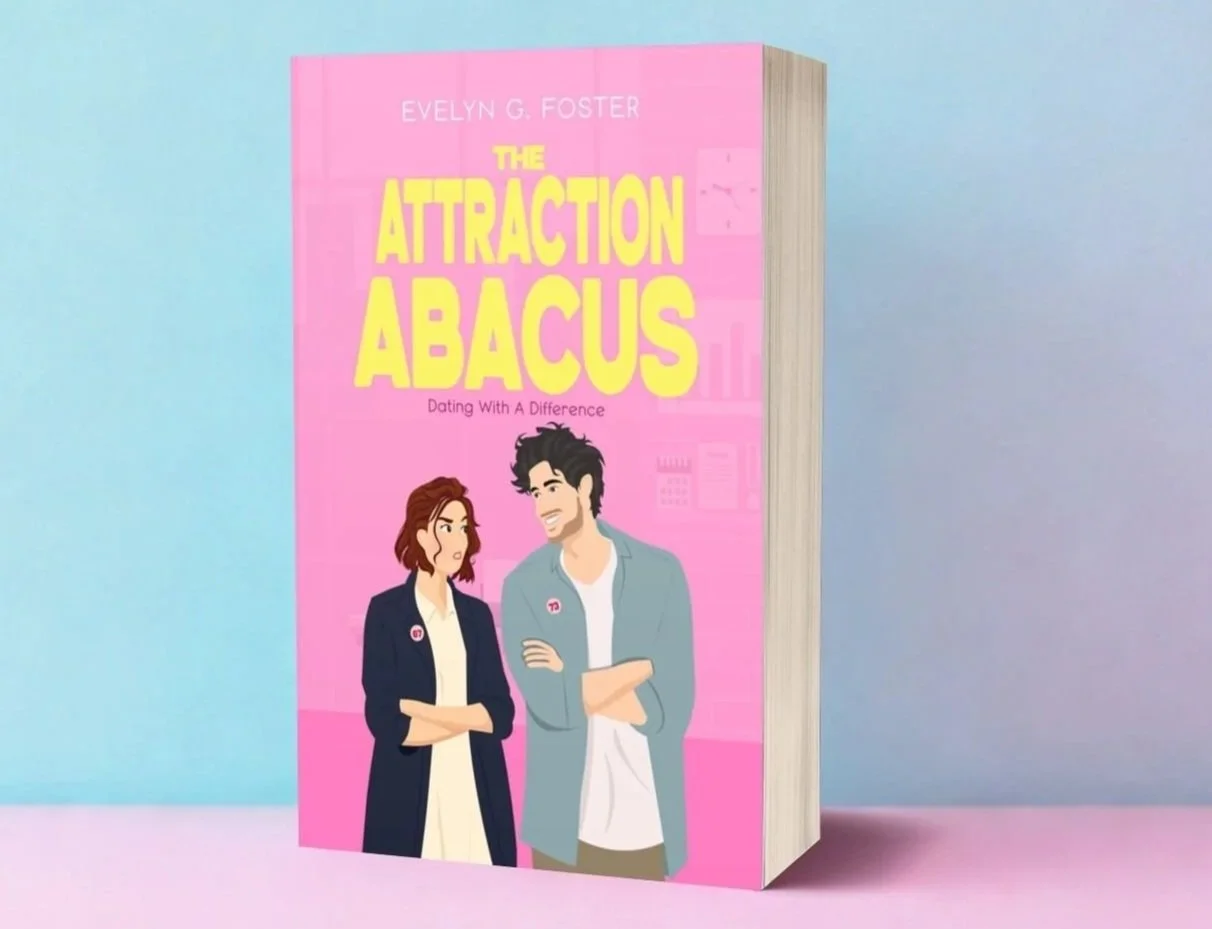
Ad: The Attraction Abacus. Could Luke be everything Evelyn wants, despite the red flags? Click on the image to find out more.
Why we keep reading romances full of bad ideas
Because fiction is the safest possible place to enjoy terrible instincts. Reading about a charismatic disaster is not the same as endorsing one in real life, and romance readers know that better than most people. Sometimes you want emotional security. Sometimes you want one hundred pages of pure “girl, stand up” before the ending gives you the release you came for.
The best books in this space let you have both the thrill and the perspective. They understand that desire can be irrational, attraction can be inconvenient, and love stories become far more interesting when characters have flaws that actually cause problems. Perfect people rarely make great romance leads. Slightly alarming people, however, tend to be excellent for the plot.
If you are choosing your next read from this list, trust your own threshold for mess. The right book is not the one with the biggest red flag. It is the one that gives you the exact flavour of chaos you came looking for - and knows it.
