
Why Fake Dating Romance Books Always Work

Fake dating romance books always work
One minute they are pretending to be wildly in love for a wedding, a work event or an ex they absolutely should not be trying to impress. The next, you are 200 pages deep, feral for eye contact and one accidental hand touch. Fake dating romance books have this effect on people. They are catnip for readers who want chemistry, comedy and a very specific kind of emotional chaos.
The best part is that the trope knows exactly what it is doing. It is built on tension from page one. Two characters agree to a lie, set some very sensible boundaries, and then proceed to ruin their own lives by catching feelings in the least sensible way possible. As reading experiences go, it is elite.
Why fake dating romance books hit every time
Fake dating is one of those romance set-ups that gives you instant momentum. There is a reason readers keep coming back to it, and it is not just because we all enjoy watching fictional people make avoidable decisions. The trope creates structure without feeling rigid. There is already a goal, already a reason for the characters to spend time together, and already a built-in deadline for everything to go horribly, deliciously wrong.
That matters because pacing can make or break a romance. In fake dating stories, the emotional arc is baked in. At first, the characters are performing. Then they start noticing the small things they were meant to ignore - how the other one takes their tea, how they step in during awkward family moments, how the pretend affection starts feeling suspiciously real. You do not have to wait 150 pages for the plot to find its pulse. It arrives with the premise.
There is also the fantasy of proximity without the chaos of instalove. Readers get the closeness, the banter, the forced interaction and the tiny domestic details, but with enough plausible deniability to keep things simmering. It is not, “we locked eyes and now nothing else matters.” It is, “we absolutely do not fancy each other, please ignore the fact that I know the exact shade of your favourite jumper.” Much better.
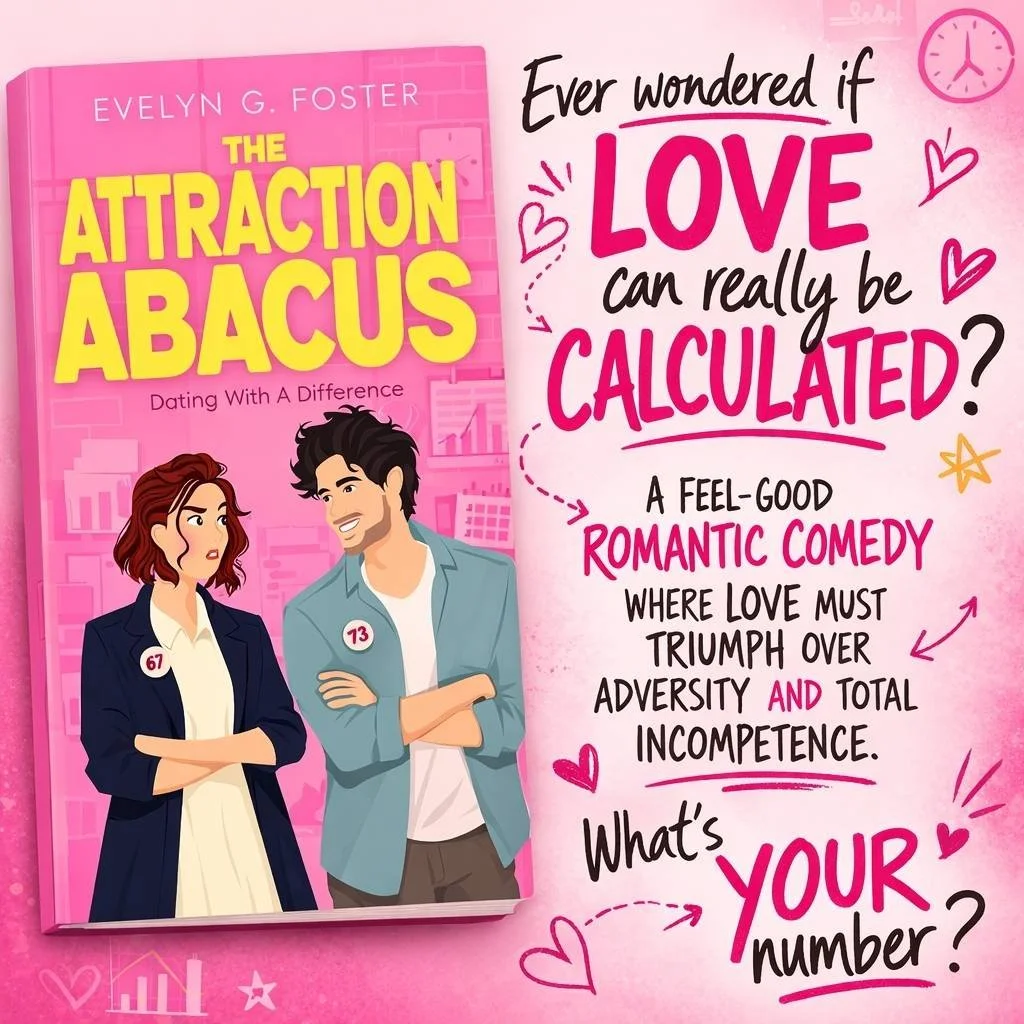
Ad: The Attraction Abacus, a different kind of fake dating fun!
The fake dating romance books formula, in the best way
Let’s be honest. Formula is not a dirty word in romance. It is often the point. Readers are not turning to fake dating because they want a cold literary experiment about tax returns and emotional repression. They want the pay-off. They want the scene where one character says, “You do not have to pretend with me anymore,” and everyone involved, including the reader, needs a sit-down.
But the formula only works when the book understands the assignment. A strong fake dating romance needs a believable reason for the arrangement. It does not have to be hyper-realistic, but it does need to feel emotionally true to the characters. A publicist-driven celebrity set-up, a plus-one panic before a family event, a strategic deal between rivals, a misguided attempt to survive wedding season - all of these can work. What does not work is a paper-thin excuse that exists only to shuffle two attractive people into the same room.
Character dynamics matter even more. The trope thrives on contrast. One is guarded, one is sunshine. One is all control, one is impulsive. One thinks this is a clean, temporary arrangement, while the other is already in too deep but pretending otherwise. If both characters feel interchangeable, the whole thing loses spark. Fake dating needs friction. It needs private jokes, awkward rules and a level of mutual observation that borders on forensic.
Then there is the emotional switch. That moment when pretending stops being funny and starts being risky is where the trope really earns its keep. Good fake dating stories know how to turn banter into vulnerability without losing the fun. Great ones make you laugh in one chapter and clutch your chest in the next.
What readers actually want from this trope
Not every fake dating romance books fan is after the same thing, and this is where recommendation culture gets messy. Someone says they love fake dating, but what they might mean is that they love high banter, one bed, low spice, rich emotional payoff and a hero who falls first. Another reader wants messy family drama, maximum yearning and a third act breakup dramatic enough to require a recovery snack.
This is why the trope works across so many tones. In a rom-com, fake dating can be pure chaos with excellent outfits and mortifying relatives. In a more tender contemporary romance, it can become a safe space for two people who are not ready to be honest in any other setting. In low-spice or closed-door romance, the trope often feels especially potent because so much rests on subtext. A hand at the waist can do more than a three-page bedroom scene if the build-up is right.
That last point matters for readers who want chemistry without explicit content. Fake dating is naturally brilliant at tension. Public affection in front of other people, private awkwardness afterwards, the slow shift from performance to sincerity - it all creates that lovely ache without needing constant steam. If your reading taste runs more sweet, funny and emotionally charged than highly spicy, this trope can be a goldmine.
The trade-offs,because yes, there are some
For all its strengths, fake dating is not automatically good just because the trope label is there. Sometimes the set-up is so over-engineered it starts to wobble. If the reason for pretending feels absurd even by rom-com standards, readers will notice. Romance can ask for suspension of disbelief, but it still has to reward it.
There is also a fine line between delicious tension and repetitive wheel-spinning. If the same misunderstanding keeps circling for chapters, the story can start to feel less like yearning and more like admin. The strongest books keep escalating the emotional stakes. The pretence should change the characters, not just trap them in the same conversation wearing different clothes.
And then there is the third act breakup, romance’s most divisive little gremlin. In fake dating, the fallout can feel completely earned because the whole relationship started with a lie. Or it can feel exhausting if the characters have spent the entire book being weirdly honest except for one conveniently withheld fact. It depends on execution. Readers will forgive a lot for a satisfying grovel, but not everything.
Why the trope feels especially current
There is something very now about fake dating. Modern dating is full of performance anyway - curated profiles, strategic texting, trying to look unbothered while being absolutely bothered. Fake dating simply takes that idea and makes it literal. It turns the social performance of romance into the plot, then asks what happens when the feelings stop cooperating.
That is probably why the trope feels so shareable online. It is easy to pitch in one sentence, easy to clip into a dramatic quote, and easy for readers to sort by taste. Fake dating with enemies-to-lovers. Fake dating but low spice. Fake dating with only one bed and terrible family boundaries. The trope plugs neatly into how readers already talk about books.
It also suits the rise of contemporary romance that feels self-aware without being cynical. Readers want stories that understand texting, soft-launching, public image, awkward weddings and the fact that everyone is pretending to be chill at least 40 per cent of the time. Fake dating delivers all of that with added pining.
How to pick fake dating romance books you will actually love
The trick is not just searching the trope. It is knowing your version of the trope. If you love emotional intensity, look for books where the fake relationship solves a real personal problem, not just a plot inconvenience. If you read for comedy, find stories with strong social situations - weddings, holidays, workplace disasters, family events. If spice level matters, pay attention to how readers describe the chemistry rather than assuming fake dating automatically means heat.
This is also where publisher curation starts to matter more than giant generic lists. A good romance catalogue knows the difference between a book that is merely trope-adjacent and one that genuinely delivers the goods. That kind of taste-led recommendation is the whole point. At Heptagon Books, that means paying attention to the details readers actually care about - tone, tension, emotional pay-off, and whether a romantic set-up feels fresh rather than assembled in a lab.
The fake dating trope is not going anywhere, and frankly, good. We need these books. We need the staged affection, the accidental jealousy, the mutually agreed arrangement that absolutely no one is emotionally equipped to handle. Most of all, we need stories that understand one timeless truth: pretending not to be in love is often far more entertaining than admitting it straight away.
So if your reading mood is banter-heavy, feelings-forward and just a little bit chaotic, fake dating is still one of romance’s safest bets. Pick the version that fits your taste, and let the terrible plan unfold.
