
Indie Publisher Versus Traditional Publisher

Indie publisher versus traditional publisher
You can usually tell when a book has been made with boardroom energy and when it has been made with main-character energy. That is not always a bad thing either way, but if you have ever wondered about indie publisher versus traditional publisher, the difference often shows up long before you finish chapter one. It is in the cover choices, the way a book is pitched, how quickly it responds to reader tastes, and whether it feels like somebody truly understood the assignment.
For readers, this is not just industry gossip dressed up as useful information. It affects what ends up on your TBR, which stories get pushed hardest, and why some books feel laser-targeted to your exact taste while others arrive with a lot of fanfare and less actual chemistry. If you live in the world of trope chat, heat-level debates and BookTok-fuelled recommendation spirals, knowing how publishing works explains quite a lot.
Indie publisher versus traditional publisher: what is the real difference?
At the simplest level, a traditional publisher is usually a larger, established company with bigger infrastructure, broader distribution and more layers of decision-making. An indie publisher is independent. That does not mean amateur, chaotic or tiny-by-default. It means the company is not part of a major conglomerate and can often make faster, sharper editorial and marketing decisions.
That distinction matters because books are not only written. They are positioned. Every title gets shaped into something the market can recognise, desire and talk about. Traditional publishers often have more money, more reach and stronger access to major retail channels. Indie publishers often have more flexibility, a clearer personality and a closer relationship with both author and reader.
So no, this is not a clean battle of good versus bad. It is more like choosing between a massive streaming platform and a brilliantly curated cinema that somehow always knows your exact mood.
What readers actually notice
If you are a reader rather than an aspiring author, you may think the business side stays behind the curtain. It does not. You notice it every time a book feels either deliciously specific or strangely flattened.
Traditional publishers are often very good at creating big-event books. They can launch titles with serious visibility, get them into prominent shops, line up media coverage and build the sort of buzz that makes a release feel unavoidable. If a romance novel is suddenly everywhere, there is a decent chance a traditional house has put serious muscle behind it.
But scale can come with caution. Bigger publishers need books to work across wider audiences, larger sales expectations and more internal stakeholders. That can mean safer packaging, broader positioning and less room for stories that sit slightly off-centre. A book with a highly particular tone, a niche emotional hook or a very online sense of humour might get sanded down a bit in the quest for mass appeal.
Indie publishers often go in the opposite direction. They can afford to be pickier in a more exciting way. They do not always need every book to please everyone. That makes space for sharper branding, more distinctive covers and stories that feel tuned in to what readers are actually discussing right now. If you have ever found a rom-com that seemed built for people who know exactly what low-spice, high-tension, emotionally messy dating fiction should deliver, that kind of precision often comes from independent publishing.
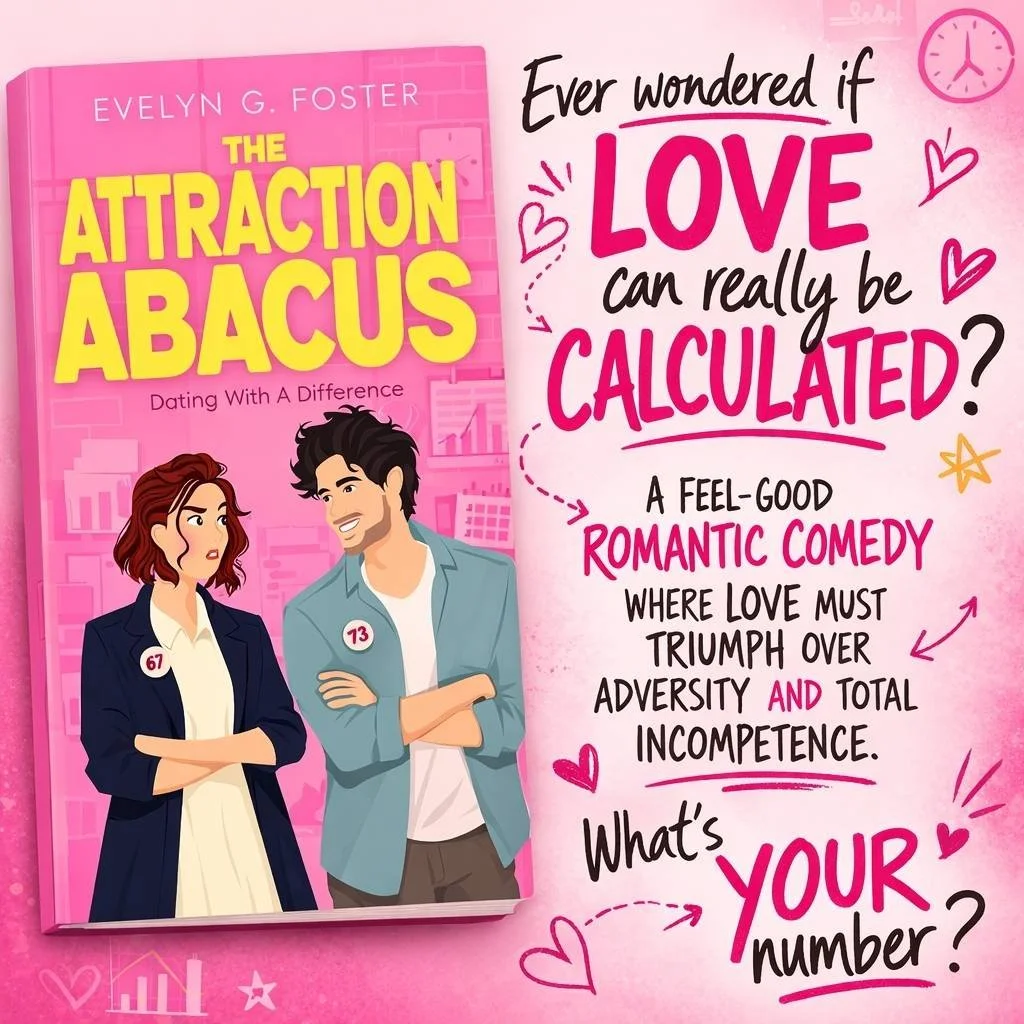
Ad: The Attraction Abacus. A highly recommended indie rom-com.
Why indie books can feel more current
Publishing is not quick. Even when a book looks fresh and timely, it may have been acquired, edited and scheduled ages ago. Traditional publishers, because of their scale, can move especially slowly. That is not laziness. It is process. Lots of approvals, long lead times and established systems.
Indie publishers can be nimbler. If reader appetite shifts towards softer romance, smarter rom-coms, more nuanced conversations about dating, or stories that feel culturally current without trying too hard, indie teams can react faster. They are often closer to reader communities and less afraid of speaking the same language.
That is a huge deal in commercial fiction. Readers are not searching in vague terms any more. They want specific moods. Specific tropes. Specific emotional outcomes. They want to know whether a book is yearning-heavy, banter-led, mildly spicy, deeply tender or likely to ruin their sleep schedule. Indie publishers are often better at meeting readers where they already are rather than expecting readers to decode a generic sales blurb.
The trade-off: reach versus focus
This is where things get interesting.
Traditional publishers usually win on scale. They may have larger print runs, stronger relationships with national chains, more publicity contacts and more resources for long-term visibility. That can help a book break out beyond niche circles and reach casual readers who are not spending their evenings analysing tropes in comment sections.
Indie publishers usually win on focus. They can build a title around a very clear identity and pitch it with more conviction. Instead of trying to make a book sound suitable for everyone with a pulse, they can say exactly who it is for. In reader terms, that means fewer books with muddled vibes and more books that know whether they are here to make you laugh, swoon, spiral or all three.
Of course, focus can also limit scale. Some indie books are beautifully positioned but do not have the same access to major review coverage or high-street placement. Some traditional books get enormous support but feel less intimate in how they reach readers. It depends what the book needs and what kind of audience it is trying to build.
How the author experience changes the book you get
Readers do not always think about the author-publisher relationship, but it affects the final product more than you might expect.
At a traditional house, an author may gain prestige, resources and broad market exposure. They may also have less control over branding, cover direction and timing. Decisions can involve many departments, each with valid priorities that do not always align perfectly with the book’s original spark.
At an indie publisher, authors often get a more collaborative relationship. Communication can be closer. Positioning can feel more personal. There is frequently more room to preserve the book’s individual voice rather than forcing it into a standard mould. For fiction readers, that can mean books that feel less manufactured and more emotionally precise.
That said, not every indie publisher is brilliant and not every traditional publisher is impersonal. A good team is a good team. The real question is whether the publisher understands the audience, the author and the particular magic of the story. If those three things click, readers can tell.
Indie publisher versus traditional publisher in romance and commercial fiction
This comparison gets especially juicy in romance, rom-com and contemporary fiction because these genres live and die by reader trust. If a book says enemies to lovers, readers want enemies to lovers, not two mildly irritated co-workers who exchange one pointed email. If a blurb signals low spice and high emotional payoff, that promise needs to be honoured.
Indie publishers often excel here because they are used to speaking directly to communities that care about this level of detail. They understand that tone is not a tiny technicality. It is the whole mood. A clever, modern romance needs to feel current in its language, pace and emotional logic. If it misses, readers know immediately.
Traditional publishers can absolutely publish brilliant commercial fiction, and many do. But indie houses frequently have the edge when it comes to niche fluency. They can be more culturally plugged-in, more willing to embrace a distinct reader conversation and less likely to hide the actual appeal of a book behind vague literary smoke.
That is part of why independent fiction publishers with a strong point of view can feel so refreshing. They are not only selling books. They are curating a taste level.
So which is better?
Annoyingly, the honest answer is still: it depends.
If you want maximum reach, major retailer visibility and the machinery that can turn a title into a big mainstream moment, traditional publishing has obvious strengths. If you want sharper curation, quicker responsiveness, stronger niche positioning and books that feel made by people who spend time where readers actually talk, indie publishing can be a very attractive option.
For readers, the smartest move is not picking a side like this is a messy reality show reunion. It is learning what kind of publishing tends to produce the books you love most. If you read for mood, specificity and a sense that someone really gets your taste, indie publishers are often worth watching closely. That is one reason houses like Heptagon Books feel so in tune with modern fiction culture - they can meet readers in the language of tropes, tone and emotional payoff rather than pretending all books should be sold in exactly the same way.
The best books are not defined by whether they come from an indie publisher or a traditional one. They are defined by whether the people behind them knew what they had, knew who it was for and had the nerve to present it properly. As a reader, that is the sweet spot worth chasing.
