
A Guide to Romance Book Tropes

A guide to romantic tropes
You can tell a lot about a reader by the phrase that sends them feral. For some, it is fake dating. For others, one bed. For the emotionally brave, second chance romance. This guide to romance book tropes is here to help you sort the swoony from the stressful, the comfort-read gold from the trope that always sounds good until you are 40 pages in and annoyed.
Because yes, tropes matter. Not in a paint-by-numbers way, and not because every romance needs to tick a viral checklist, but because tropes are often the fastest route to a book that actually matches your mood. They are reader shorthand. They tell you whether a story is likely to serve yearning, banter, chaos, emotional damage, or the deeply elite experience of watching two people pretend not to be obsessed with each other.
What this guide to romance book tropes is actually for
Think of tropes as story patterns, not spoilers. They are the setup, the emotional engine, the dynamic that shapes how two characters collide and what kind of payoff you are likely to get. A trope is not the whole book. Two enemies-to-lovers novels can feel wildly different if one is a fluffy office romcom and the other is an angst-fuelled slow burn with serious trust issues.
That is why trope language has become such a huge part of modern reader culture. It helps you filter. If you know you love forced proximity but hate miscommunication, or you adore low-spice tension but do not want billionaire fantasy, you can get much closer to your perfect read before you even crack the spine.
The most popular romance book tropes, decoded
Enemies to lovers
The internet’s favourite child, and with reason. At its best, enemies to lovers gives you friction, sharp dialogue and enough tension to power a small city. The key word is tension. If the characters simply bicker for no reason and then snog, it falls flat.
The best versions have a believable obstacle underneath the banter. Maybe they genuinely clash in values, maybe they have history, maybe one of them is catastrophically defensive. When it works, this trope delivers serious payoff because every soft moment feels earned.
The trade-off is obvious. If you are not in the mood for conflict, this one can feel exhausting. Also, some books label themselves enemies to lovers when the couple are really just mildly inconvenienced colleagues. That is not the same thing, and readers can tell.
Fake dating
A classic for a reason. Fake dating thrives on performance. Two characters agree to pretend they are together for some practical reason, then promptly catch feelings while insisting they absolutely are not. Reader, they are lying.
This trope is catnip if you enjoy forced closeness, public displays with private consequences, and the exquisite embarrassment of one character realising they know the fake boyfriend details a bit too well. It is usually a strong pick for romcom readers because it naturally creates comic situations and emotional vulnerability.
That said, it lives or dies on the setup. If the reason for fake dating is too flimsy, you spend the whole book thinking, nobody had to do any of this.
Friends to lovers
Soft, terrifying, and often devastating in a very quiet way. Friends to lovers is for readers who want emotional intimacy before romance enters the chat. There is usually less spark-on-sight drama and more history, trust and tiny moments that suddenly become loaded.
When done well, this trope can be incredibly satisfying because the connection already exists. You are not watching love appear out of nowhere. You are watching it shift shape. The risk, though, is pace. Some readers want more external plot or a stronger sense of romantic escalation. If the book never quite changes gear, it can feel too safe.
Second chance romance
This one knows exactly where your emotional weak points are. Second chance romance reunites people who have loved each other before and now have to reckon with what went wrong. Sometimes it is tender. Sometimes it is messy. Often it is both.
It suits readers who want depth and history baked in from page one. You are not waiting for the feelings to develop because they are already there, buried under regret, timing issues, or one truly terrible decision made five years earlier. If you like longing with a side of unfinished business, this is your lane.
The catch is that the breakup has to make sense. If the original split feels silly, the whole thing wobbles.
Forced proximity
Put two people in a situation where they have to spend time together and, astonishingly, things happen. Snowed in, stuck on a work trip, sharing a flat, trapped in one cottage with one bed and a suspicious amount of unresolved chemistry - forced proximity is a trope generator for a reason.
It works because it strips away avoidance. Characters who would otherwise keep dodging their feelings have nowhere to go. It often pairs beautifully with slow burn, enemies to lovers, or fake dating.
The best versions feel organic rather than contrived. Readers will forgive a lot for one-bed excellence, but only if the emotional logic still holds.
Grumpy and sunshine
A crowd-pleaser that can be adorable or deeply irritating depending on execution. One character is reserved, prickly, serious or emotionally unavailable. The other is warm, open, optimistic or just better at talking about feelings before chapter 24.
The appeal is obvious. Opposites create contrast, and contrast creates momentum. But this trope works best when both characters feel fully human. Sunshine should not mean childish. Grumpy should not mean rude for no reason. If the balance is off, one person ends up doing all the emotional labour and the fantasy collapses.
Slow burn
The reigning monarch of tension. Slow burn is less about the setup and more about pacing. It means the romance develops gradually, often with lots of yearning, delayed realisation and moments that make readers scream into a cushion because a hand brushed a sleeve.
This is ideal if you enjoy anticipation more than instant gratification. For low-spice or closed-door readers, slow burn can be especially powerful because emotional intensity carries the whole experience. It also works brilliantly in contemporary romcoms where banter and character growth do a lot of the heavy lifting.
Of course, there is a limit. Slow burn should feel delicious, not stalled. If nothing is progressing, readers stop calling it tension and start calling it a drag.
Workplace romance
Maybe not a true trope as such, but needs discussing. There’s just something irresistibly messy and fun about the workplace romance trope. Maybe it’s the forced proximity, the stolen glances over laptops, or the fact that two people are trying to stay professional while clearly failing at it.
Offices, hospitals, restaurants, law firms — every setting somehow becomes ten times more entertaining once you add simmering tension and a shared coffee machine. It taps into that fantasy of finding connection in the middle of everyday routine, where long hours and high stress accidentally turn into inside jokes, emotional support, and eventually feelings neither person planned on catching.
How to use a guide to romance book tropes without boxing yourself in
Tropes are useful, but they are not a personality test and they are definitely not a quality guarantee. A book can have your favourite trope and still miss because the voice is wrong, the pacing is off, or the emotional stakes never land. Equally, a trope you normally avoid might work for you if the tone is right.
This is where vibe matters as much as premise. Ask yourself what you actually want from a romance. Do you want sharp banter and comic disasters? Tender emotional healing? Maximum pining with minimum spice? A dating-story setup that feels modern rather than fantasy-boardroom nonsense? Those questions often lead to better choices than trope labels alone.
It also helps to notice which tropes you only like in combination. Maybe friends to lovers is too gentle for you unless there is forced proximity. Maybe fake dating only works when there is a lot of humour. Maybe enemies to lovers is your thing, but only if the characters are equals and the conflict is not cruel. Welcome to having taste. It is slightly inconvenient, but useful.
Why romance tropes keep thriving
Part of the reason tropes endure is simple. They promise a feeling. In a crowded market, readers are not just buying plots. They are chasing emotional experiences they already know they enjoy, whether that is giddy anticipation, full-body cringe in the best way, or the specific agony of someone saying, this is just pretend, while clearly being down atrocious.
The other reason is that good romance keeps reinventing familiar patterns. Tropes stay fresh when authors bring a strong voice, believable characters and a contemporary lens to them. A fake dating story can feel brand new if the emotional stakes are precise and the humour actually lands. A slow burn can hit harder when it understands modern dating fatigue, awkward communication habits, or the strange intimacy of oversharing at the wrong moment.
That is also why readers who live on BookTok and Bookstagram talk in trope language so fluently. It is not shallow. It is efficient. It is how people quickly explain not just what happens in a book, but what kind of emotional ride they are signing up for.
If you are trying to choose your next read, use tropes as a compass rather than a cage. Follow the ones that reliably work for you, stay open to a surprise now and then, and trust the difference between a trope being present and a trope being done well. The right romance never just ticks a box - it knows exactly why that box makes you feel something.
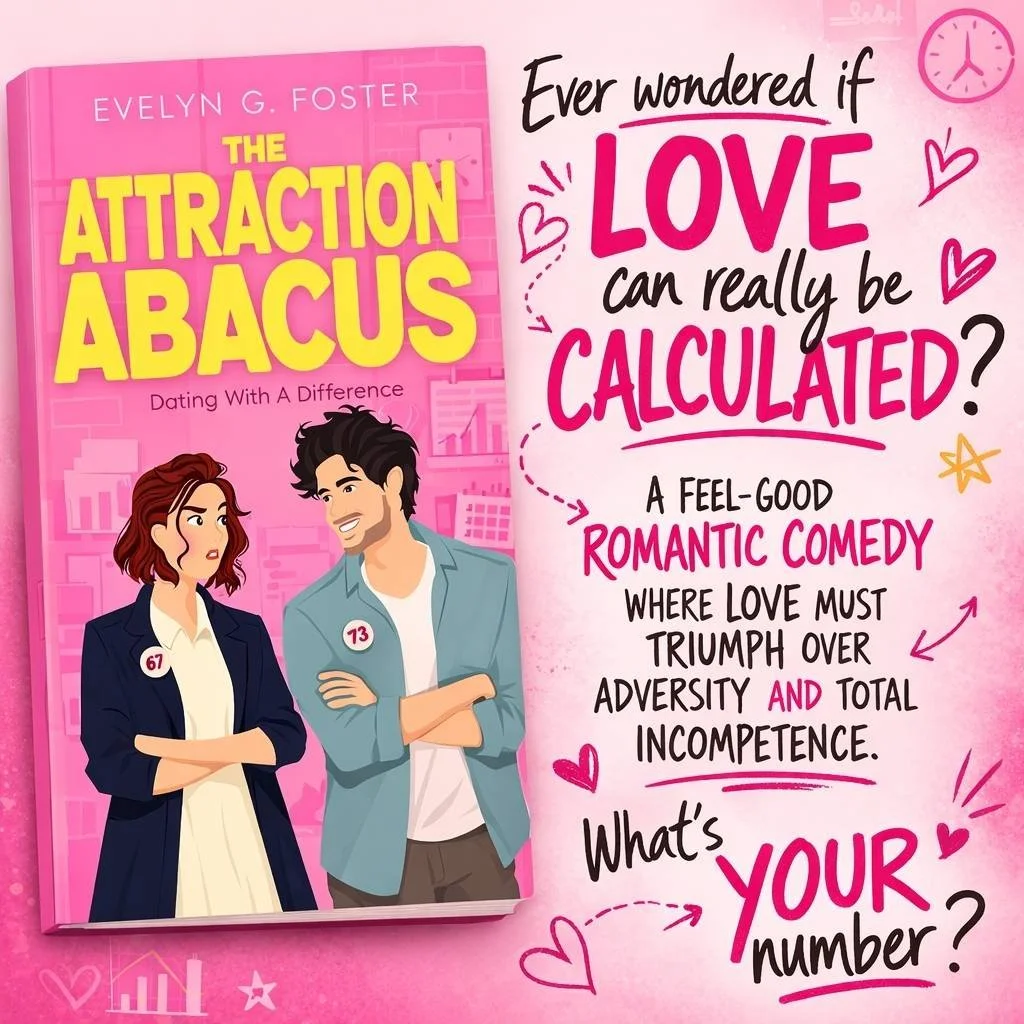
Ad: The Attraction Abacus, Why just settle for one trope? A fake-dating, enemies to lovers, workplace romanic comedy!
